Skip to content

Decks & Structures · Issaquah

Deck Builders in Issaquah

Issaquah sits against real terrain, and on the steeper lots a deck is frequently the only practical way to get usable outdoor space at all. Terracing a slope means retaining walls, excavation and spoil that has to go somewhere; a deck spans the same ground on posts and leaves it alone. That makes it the lighter-touch option in every sense, including the regulatory one — but it does not make it a simple one. The whole structure is carried on a handful of points, so what those points bear onto matters more than anything else about the build, and on a steep wooded lot that answer is genuinely site-specific rather than standard.

Typical range
$35–$90 per square foot installed
From our base
30–45 minutes from Capitol Hill via I-90
Ground here
Variable and steeper than most of this market — glacial till and weathered mountain soils on the slopes, with alluvial ground and a high water table on the Issaquah Creek valley floor.

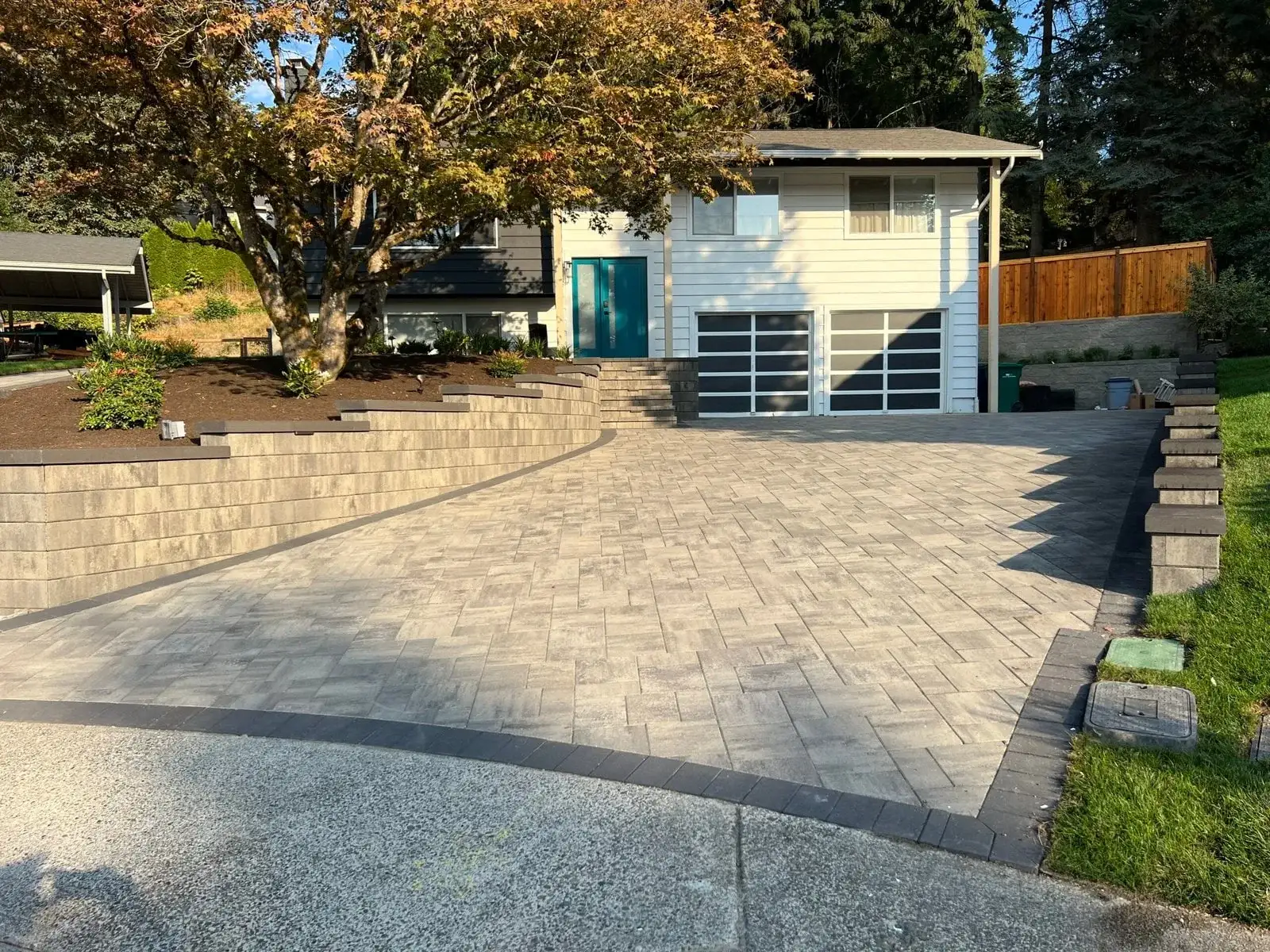
Wide paver driveway and turning apron in front of a garage on a sloped Issaquah lot

What we get called about

Decks & Structures problems specific to Issaquah.

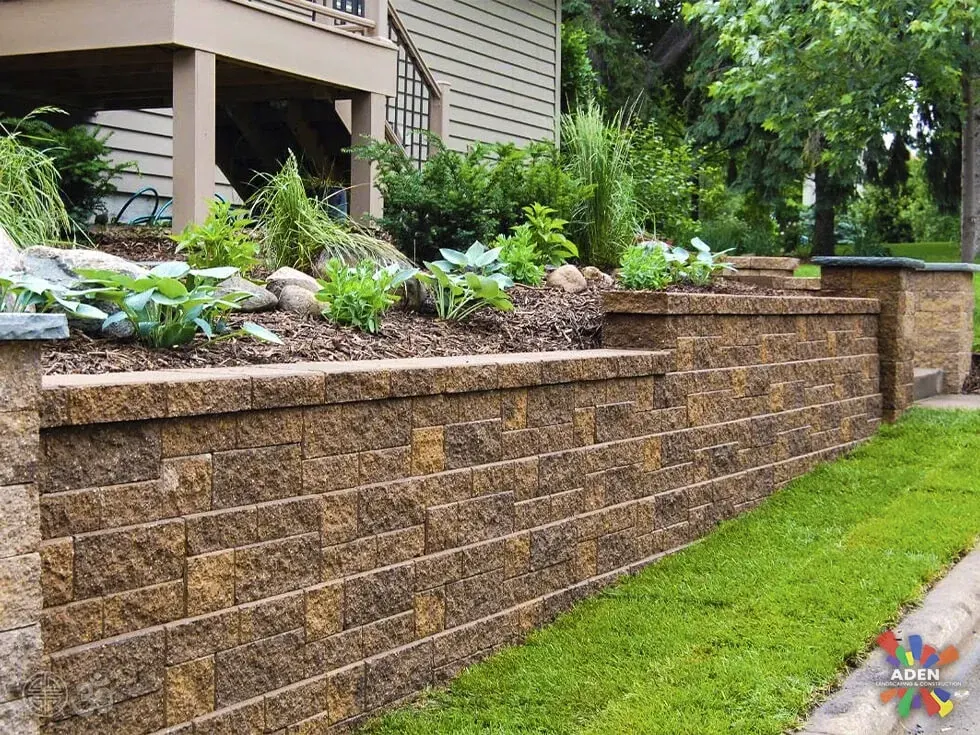
Issaquah is the retaining wall market on this side of the water. The city sits in a valley surrounded by mountains, and properties built into those slopes need grade held before anything else can happen. The second local factor is water arriving from above: on a hillside lot, a significant share of what you are managing did not fall on your property at all, it came down off the mountain, and drainage has to be sized for that rather than for your roof area. Third, HOA coverage here is among the densest in the region.

  • A steep lot where terracing would cost more than the house can justify
  • Footings that need to reach competent ground well below the surface
  • A parcel carrying a steep-slope or critical-area designation
  • Deep conifer shade keeping a deck damp and green year round
  • A structure sized from a drawing before anyone tested what is underneath

Worth knowing in Issaquah

Check whether your parcel carries a critical-area designation before you commission a design. It is public information, it takes minutes, and it determines what is exempt, what needs assessment and occasionally what can be built at all.

Why a deck is often the gentler option on a slope

Making level ground out of a slope means holding it back, and that means walls, excavation and moving material off a site that frequently has nowhere for it to go. It also changes the two things a slope is most sensitive to: how much weight sits above it, and where the water goes once the ground has been reshaped.

A deck does neither in the same way. The load arrives at a small number of points rather than as a continuous mass, and rain passes between the boards to the ground below rather than being collected and discharged somewhere new. On ground with any history of movement, those two differences are the whole argument.

The footings still have to be right, and on a steep wooded lot that means reaching past surface material, old fill and disturbed ground to something that will carry the load reliably. How far down that is cannot be known from the surface, which is why we test rather than assume — and why a footing schedule on a slope is a finding rather than a specification.

The method

How we build decks & structures, wherever the job is.

The sequence does not change between neighbourhoods — what changes is the ground it is applied to. Full detail on the decks & structures service page.

  1. 01

    Work out what the deck is for

    A dining deck, a route between levels and a sun trap are different structures at different heights. Deciding that first is what stops a deck being the wrong size in the right place.

  2. 02

    Check the ground and the connection to the house

    Footing depth, how posts meet the ground, and how the frame ties into the building. That connection is the most common failure point on decks we are called out to replace.

  3. 03

    Frame it, then detail it

    Structure first, then the details that let it dry: spacing, flashing where the frame meets the house, and drainage below where the deck is over usable space.

  4. 04

    Lay the surface and set the edges

    Boards run to suit the sightline rather than the shortest cut list, with border and inlay detail where a large deck needs the joint hidden.

  5. 05

    Stairs, railings and lighting last

    Riser lights and rail detail go in once the levels are final, because both are fixed to the finished structure rather than the frame.

What it costs in Issaquah

$35–$90 per square foot installed

Issaquah decks run $35 to $90 per square foot, and on steep ground the footings are the variable rather than the deck. Posts get longer, footings get deeper, and access for excavation on a slope is slower — all of which is decided by what is under the surface rather than by the size of the deck. Where a designation applies, professional assessment is a separate cost that comes before design rather than during it.

  • No down payment

    You pay after the project is fully completed.

  • Fixed price, agreed up front

    The estimate you sign is the price you pay.

  • 0% interest for up to 6 months

    Spread the cost with no interest.

  • Warranty on hardscaping

    Covers hardscape work; vegetation excluded.

Local questions

Decks & Structures in Issaquah, answered.

General questions about this service are on the service page. These are the ones that only come up here.

How deep do footings go on a steep lot?

As deep as it takes to reach ground that will carry the load, which on a slope is a finding rather than a number. Hillside ground frequently has a layer of loose surface material, sometimes old fill from an earlier grading, over something firmer — and the depth of that varies across a single lot, so two footings on the same deck can end up at different depths. That is normal and it is why a footing schedule is produced after testing rather than drawn in advance. Where the slope is significant or carries a designation, that determination may need a professional assessment, which we would rather establish before design than during construction.

Do I need a permit for a deck on a sloped lot?

More often than on flat ground, and the designation matters more than the deck. Height above grade is the usual trigger, and on a slope even a deck level with the back door can be well above the ground a short distance out — which puts it over the threshold without anybody intending it to be. On top of that, a parcel inside a critical area is treated differently regardless of the structure, and a good number of Issaquah lots on the steeper ground carry one. Because the answer is specific to the address rather than to the design, we confirm it and put it in the written estimate.

Is a deck safe on ground that has moved before?

Frequently yes, and that is genuinely why it is often what gets recommended — but it is a question for an assessment rather than for a contractor’s opinion. A deck adds far less load than an equivalent terrace and does not change surface drainage, which removes the two mechanisms most associated with slope failure. What it still requires is footings bearing onto something reliable, and on ground with movement history establishing what that is means looking properly rather than digging until it feels firm. Where there is any history, we would want a geotechnical view before design, and we will say so rather than quoting around it.

What keeps a deck under heavy conifer shade from going green?

Material choice and airflow, in that order, because you cannot change the shade. Composite holds the algae film that permanent shade produces far less than cedar does and cleans off with much less effort, which on a deck that will never get direct sun is a stronger argument for composite than the maintenance saving alone. Beyond material, the improvements are keeping the gaps between boards genuinely clear so water leaves rather than sitting, not enclosing the frame so tightly that it never dries, and lifting the lower canopy where an arborist says it is safe to. Some film is normal here and worth accepting.

Serving Issaquah and surrounding neighbourhoods

30–45 minutes from Capitol Hill via I-90.

Olde Town Issaquah · Issaquah Highlands · Talus · Squak Mountain · Cougar Mountain · Providence Point · Klahanie · Sammamish Plateau edge

98027 · 98029

Everything we do in Issaquah →

Recent work

Built in Issaquah.

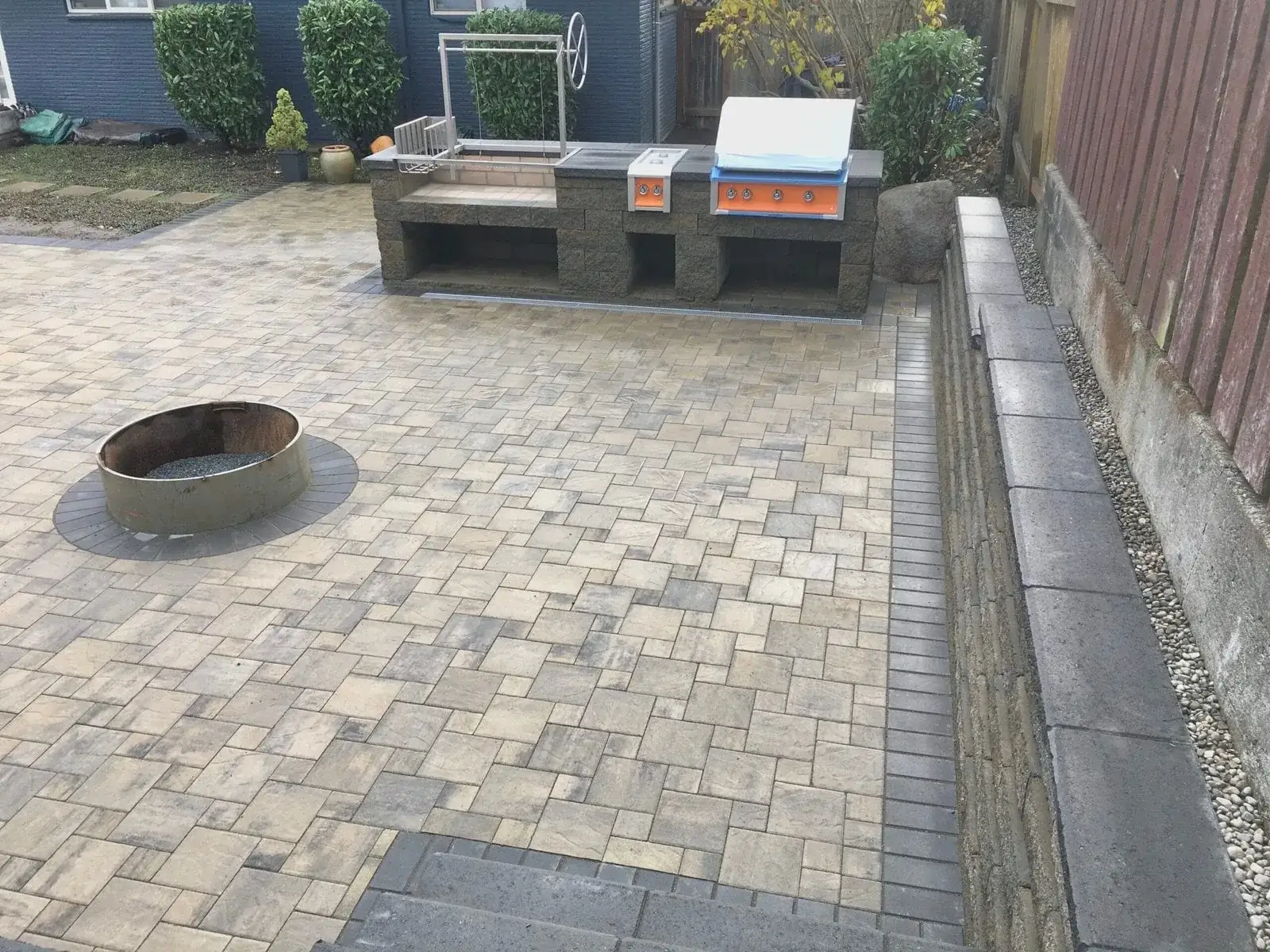
Built-in outdoor kitchen island and fire pit on a paver patio with a low seat wall

Get a deck estimate in Issaquah.

We come out, look at the ground, and put a fixed written price together. No deposit, and it does not change once agreed.

Free estimate

Decks & Structures in Issaquah — get a price.

Three minutes on the form. We reply during office hours, Monday – Friday, 9:00 AM – 7:00 PM, and we come out and look at the site before quoting anything.

Or call (425) 533-9734

Takes under a minute. No deposit is required to book work — you pay when the project is finished. Prefer to talk? Call (425) 533-9734

Call NowFree Estimate