
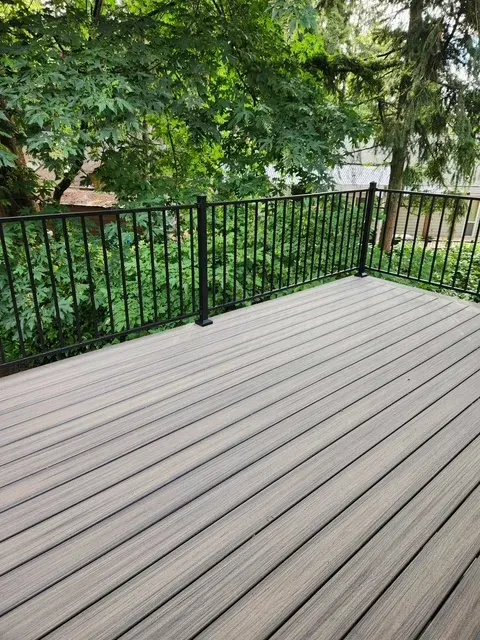
 DeckingView full size
Deck in the canopy
Built out to the edge of a lot that falls away into mature trees, so the deck sits level with the canopy and the garden below is left alone.
No down payment. You pay when the project is finished.
Monday – Friday, 9:00 AM – 7:00 PM · Capitol Hill, Seattle
Service area
Seward Park gardens sit under one of the largest concentrations of mature trees in the city, and that shapes every decision. The old-growth on the peninsula continues into the surrounding streets as established firs, cedars and maples with root plates reaching far past their canopies, deep shade for most of the day, and a genuine effect on how much water the ground holds through summer. Working with that is far more productive than working against it. Most of our Seward Park projects are some combination of tree care, drainage and a design that accepts the shade rather than a plan that assumes it can be removed.
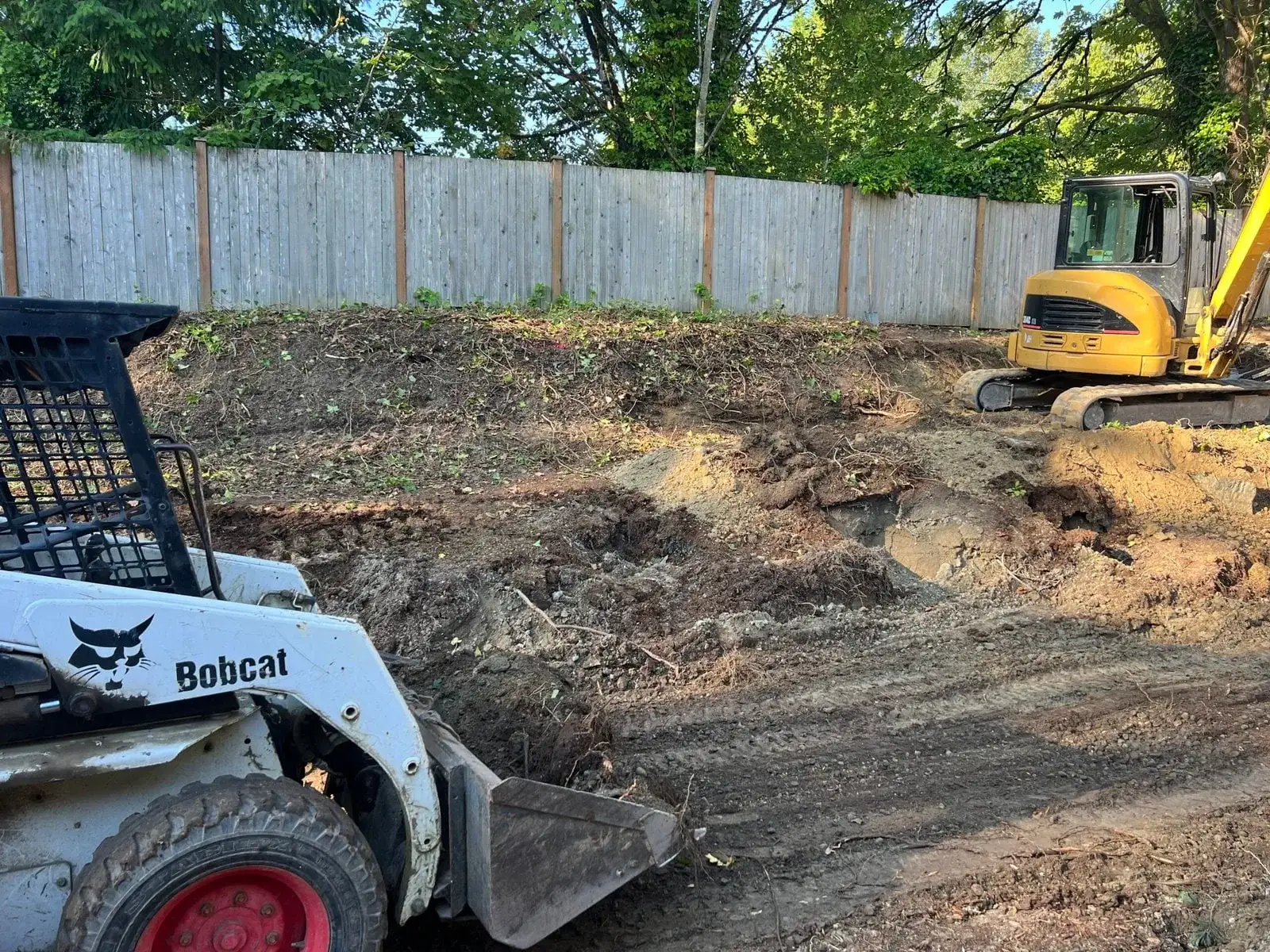
Excavator regrading a Seward Park yard for drainage before landscape construction
What we plan around here
Seward Park is a neighbourhood built around a forest, and the canopy is the defining fact of working here. The old-growth on the peninsula extends into surrounding gardens as large established Douglas fir, cedar and big-leaf maple, and those trees govern where hard surfaces can go, how much light a garden actually gets, and how much water leaves the ground each summer. The right approach here is usually less clearing than people expect: a shade-tolerant design under an existing canopy will outperform a sun-loving one that fights it every year.
What we build in Seward Park
Serving Seward Park and surrounding neighbourhoods
Three hundred acres on a peninsula, holding one of the last old-growth forest remnants inside a major American city.
Twenty acres built on former swamp just south — the best local demonstration anywhere that drainage design is what makes a landscape survive.
The lakeside parkway that defines the neighbourhood's western edge and the orientation of most of its gardens.
Seward Park · Lakewood · Brighton edge · Columbia City edge · Rainier Beach edge
98118
Local questions
Something specific to your street? Call (425) 533-9734 — we would rather look at it than guess.
A good deal, but almost none of it is what a garden centre puts at the front in May. Under an established fir or cedar you are dealing with three things at once — low light, dry soil in summer because the tree takes the water, and an acidic needle litter — and planting has to tolerate all three rather than just the shade. The plants that genuinely thrive in that combination are the ones that evolved in it: native ferns, salal, evergreen shade shrubs and woodland groundcover. A lawn under a mature conifer will never work, and repeated reseeding is money spent on a fight with the tree.
Sometimes, with a different method. Most of the roots keeping a large tree alive are in the top foot or so of soil and spread well beyond the branch line, so a conventional excavated base across that area cuts a substantial share of them — and the tree may take three or four years to show it. The workable options are a shallower build-up, a permeable or suspended surface that spans the root zone rather than digging into it, or moving the hard surface outside the critical area entirely. We will tell you which of the three applies to your specific tree, and if none of them does, we will say that too.
Both, and the balance is worth understanding before removing anything. A mature conifer moves a substantial volume of water out of the ground through the growing season and its root network binds the soil around it, so it is doing real drainage and stability work for free. Against that, a dense canopy keeps ground beneath it permanently shaded so it dries slowly after rain, and heavy needle litter mats down and sheds water rather than absorbing it. The practical position: clearing litter and thinning a crown usually improves things, while removing a large tree on a sloped lot can leave you with a wetter garden than you started with.
Sometimes, and it deserves more thought than it usually gets. Seattle regulates tree removal on private property with additional protection for larger and designated exceptional trees, so the first question is whether it is permitted at all — several species common on these lots reach that threshold. Beyond the rules, the honest calculation is that a mature tree in this neighbourhood is a substantial asset in property value and character, and the light gained is often less than expected because the neighbours' canopies remain. Where a tree is genuinely failing or genuinely hazardous, removal is right. Where it is merely inconvenient, crown thinning frequently gets most of the light for a fraction of the loss.
We come out, walk the property, look at the grade and the drainage, and put a written price together. No deposit, and it does not change once agreed.
Nearby
Two ridges with a valley between them. Beacon Hill and the Mount Baker/Seward Park side both fall hard toward the water; the Rainier Valley floor between them is flat and drains slowly.
10–20 minutes from Capitol Hill
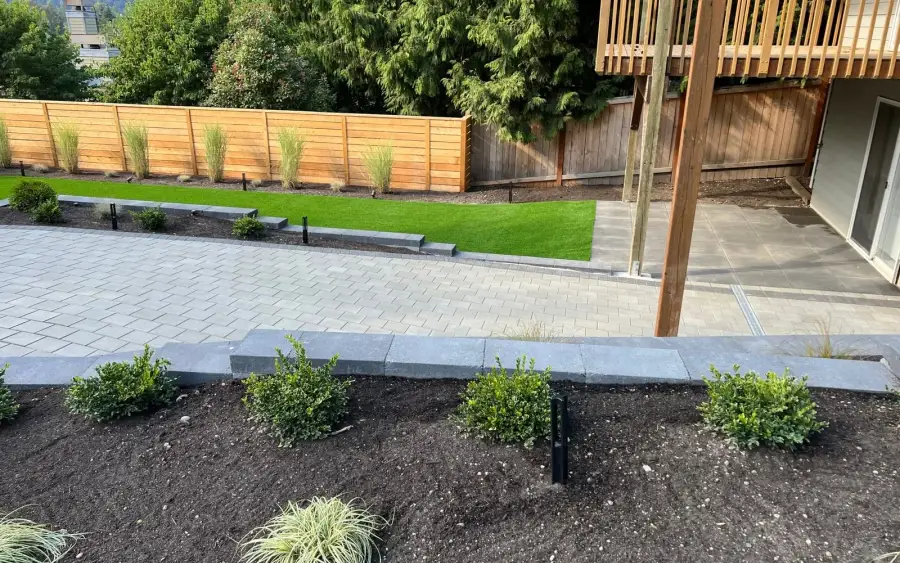
A steady, substantial west-to-east fall from the ridge crest down to Lake Washington. Grade changes of twenty feet or more across a single lot are ordinary here.
10–20 minutes from Capitol Hill
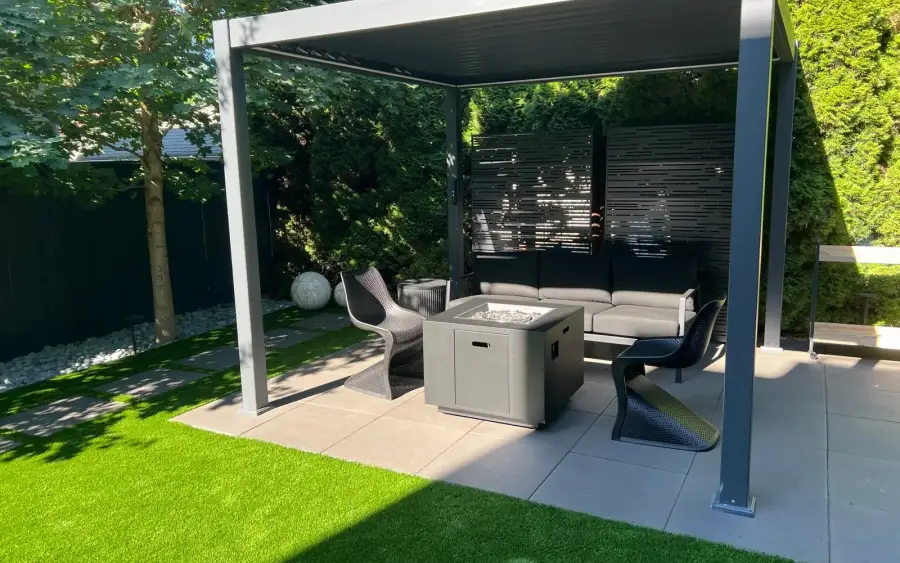
Seven hills and then some. Grade changes of 20–40% inside a single lot are ordinary in Queen Anne, Magnolia, Mount Baker and West Seattle.
Base of operations — Capitol Hill
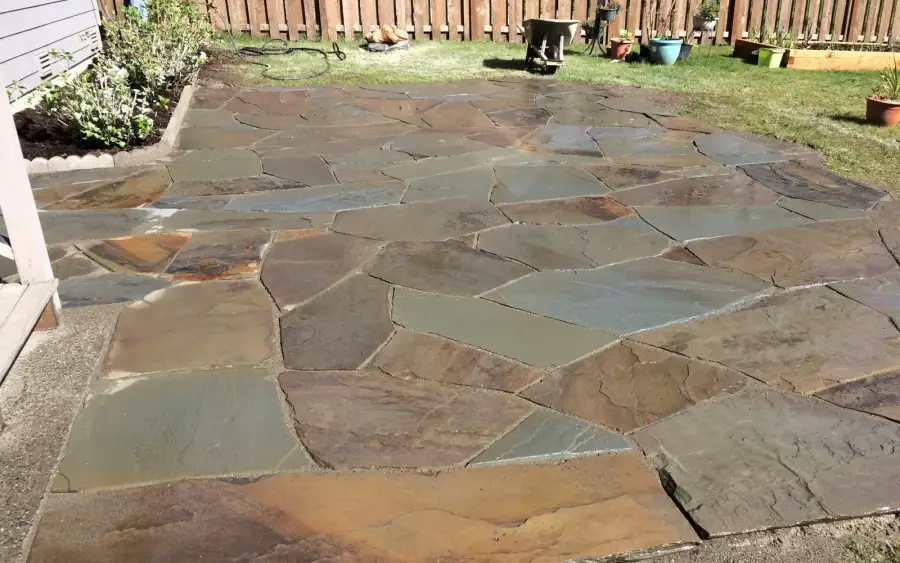
A domed island — relatively level across the crown through Island Crest, then falling away to the shoreline on every side, steeply in places.
15–25 minutes from Capitol Hill via I-90
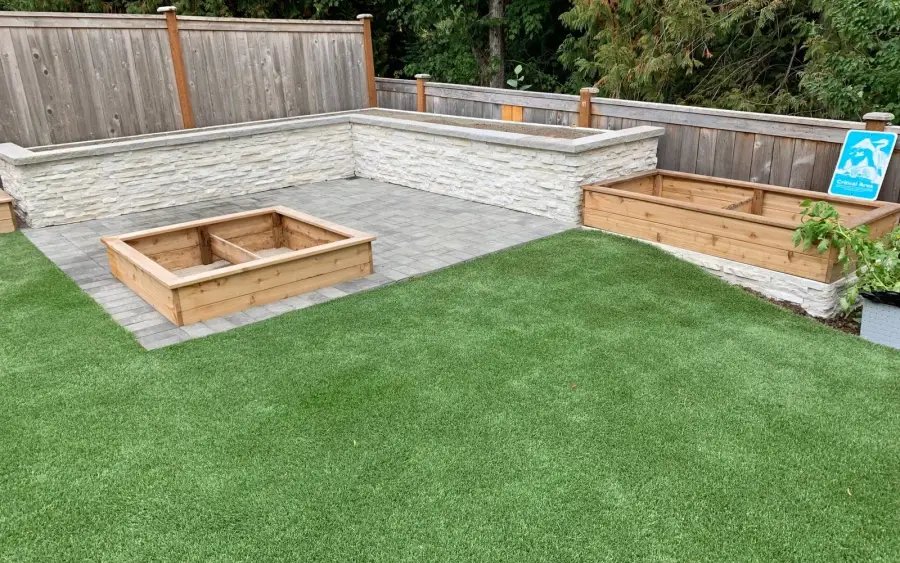
A plateau with steep edges. Flat through the Junction and Westwood, then severe falls toward Alki, Fauntleroy and down the Delridge side.
20–30 minutes from Capitol Hill
Free estimate
15–25 minutes from Capitol Hill from our Capitol Hill base. Three minutes on the form and we will come out and look at it properly.
Or call (425) 533-9734
Thank you — we have your details. We reply during office hours, Monday – Friday, 9:00 AM – 7:00 PM. If it is urgent, call (425) 533-9734.