
 Retaining WallsView full size
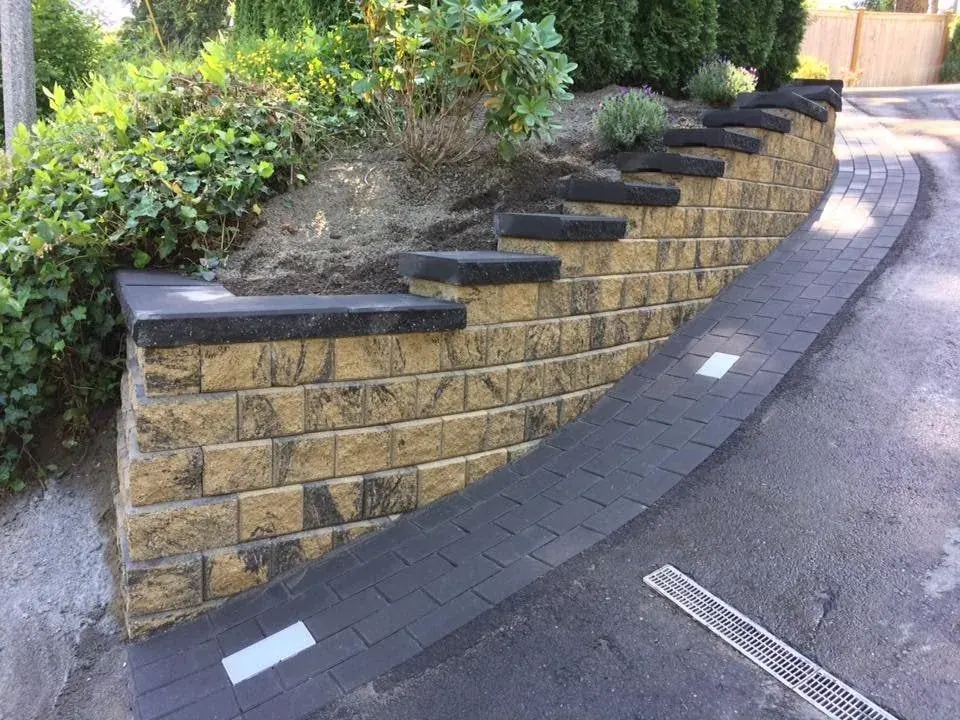
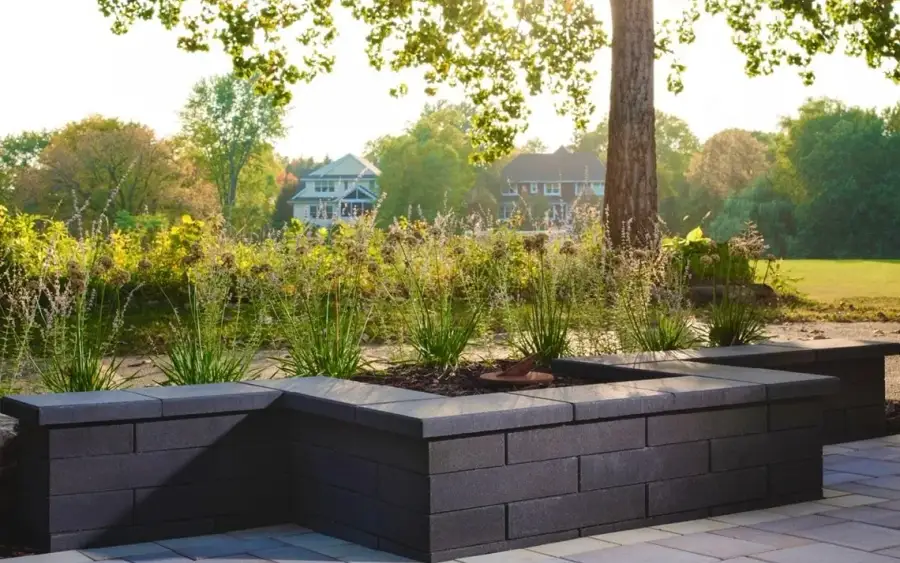
Street-frontage wall and planting
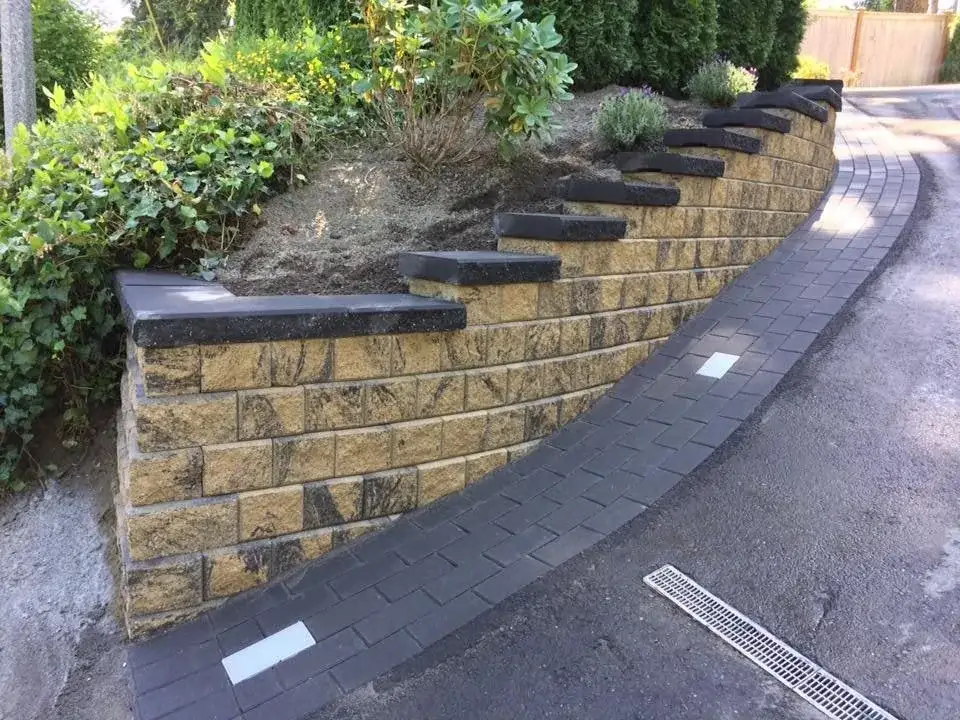
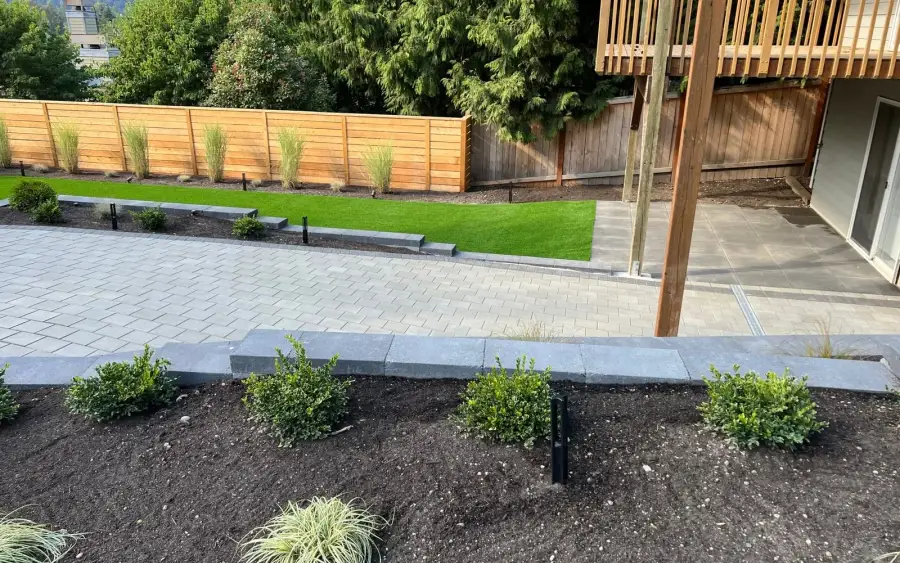
A curved wall along the street edge with lighting set into the face and new planting above.
No down payment. You pay when the project is finished.
Monday – Friday, 9:00 AM – 7:00 PM · Capitol Hill, Seattle
Service area
South Seattle has the largest gardens in the city and the widest spread of ground conditions in it. Two ridges — Beacon Hill on one side, the Mount Baker and Seward Park shoulder on the other — fall toward the water and generate the terracing and retaining work that dominates our south-end schedule. Between them the Rainier Valley floor is flat, low and slow-draining, with historic fill in places. Two jobs half a mile apart here can need completely opposite things, which is why we look at the ground before we talk about the design.
Curved street-frontage retaining wall with recessed lighting and planting above it in south Seattle
What we plan around here
South Seattle has the biggest gardens in the city and the widest range of ground conditions. A Mount Baker view lot needs terracing and walls; a Rainier Valley floor lot four blocks away needs drainage before it needs anything else. The valley floor is the part people underestimate — low, flat ground with historic fill in places, where standing water in February is the normal condition rather than a fault.
What we build in South Seattle
Serving South Seattle and surrounding neighbourhoods
Twenty acres built on former swamp — the single best local demonstration that drainage is what makes a landscape survive.
Old-growth forest on a peninsula, and the reason surrounding lots carry mature tree conditions.
The flat top of Beacon Hill, with the long views that drive terracing demand on the slopes below.
Beacon Hill · Mount Baker · Columbia City · Seward Park · Rainier Beach · Rainier Valley · Hillman City · Georgetown · South Park · SoDo
98108 · 98118 · 98134 · 98144
Recent work
Retaining WallsView full sizeA curved wall along the street edge with lighting set into the face and new planting above.
 Retaining WallsView full size
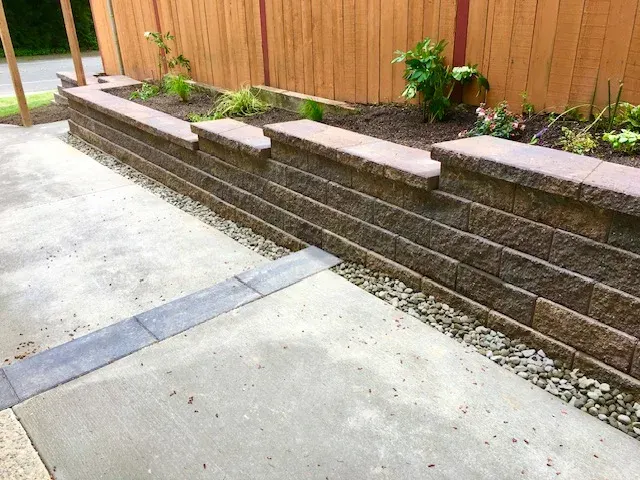
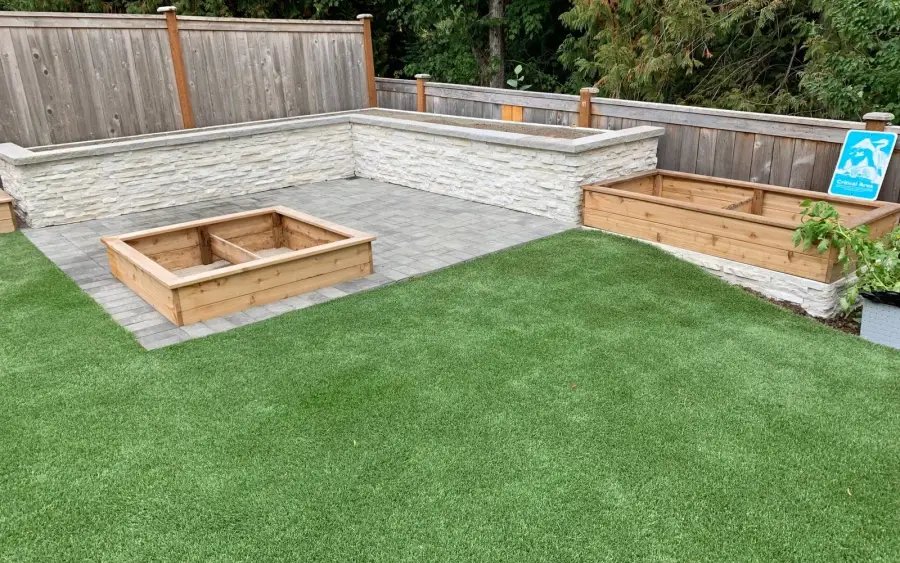
The rock strip between the wall and the slab is the part that matters: it takes the water down to daylight instead of leaving it standing behind the blocks.
Local questions
Something specific to your street? Call (425) 533-9734 — we would rather look at it than guess.
It is low ground receiving water from both sides. Beacon Hill drains toward it from the west and the Mount Baker shoulder drains toward it from the east, so the valley floor takes not only its own rainfall but a share of everything that lands uphill. Add flat ground, slow-draining subsoil and pockets of historic fill from earlier industrial use, and standing water through the winter is the default condition rather than a defect. Drainage on these lots is not optional and it needs somewhere real to discharge to, which usually means a route to the street rather than a soakaway.
Terracing, almost always. These are lots where the ground falls away toward Lake Washington and the view is the reason the property is worth what it is. The work is cutting usable level platforms out of that fall without blocking the view from the house — which usually means several lower walls stepping down rather than one tall one, because a single six-foot wall close to the house takes the view with it. Steps built into the wall faces rather than added alongside keeps the whole run reading as one piece of ground.
Per square foot they are usually cheaper, because access is better and a machine can work efficiently. A south-end lot with a driveway and a wide side return costs far less per square metre of patio than a Capitol Hill garden where every barrow goes through a gate. Total project cost is higher simply because there is more ground, but the money buys more. Where the cost climbs is when a large lot also has a drainage problem, because the system has to be sized for the whole catchment rather than a corner of it.
They constrain where hard surfaces can go and they are worth protecting. The old-growth around Seward Park extends into surrounding gardens as large established firs and maples whose root plates reach well beyond the canopy. Cutting a patio base through those roots can kill a tree over several years, long after anyone connects the two. On these lots we generally shift the layout, use a shallower build-up, or float the surface over the root zone rather than excavating through it.
We come out, walk the property, look at the grade and the drainage, and put a written price together. No deposit, and it does not change once agreed.
Nearby
A steady, substantial west-to-east fall from the ridge crest down to Lake Washington. Grade changes of twenty feet or more across a single lot are ordinary here.
10–20 minutes from Capitol Hill
Rolling, with a defined fall from the ridge toward Lake Washington and the peninsula. Less severe than Mount Baker to the north but rarely genuinely level.
15–25 minutes from Capitol Hill
Seven hills and then some. Grade changes of 20–40% inside a single lot are ordinary in Queen Anne, Magnolia, Mount Baker and West Seattle.
Base of operations — Capitol Hill
A plateau with steep edges. Flat through the Junction and Westwood, then severe falls toward Alki, Fauntleroy and down the Delridge side.
20–30 minutes from Capitol Hill
Steep. Newcastle is built on the western flank of Cougar Mountain, and substantial grade across a single lot is the norm rather than the exception.
25–40 minutes from Capitol Hill via I-90
Free estimate
10–20 minutes from Capitol Hill from our Capitol Hill base. Three minutes on the form and we will come out and look at it properly.
Or call (425) 533-9734
Thank you — we have your details. We reply during office hours, Monday – Friday, 9:00 AM – 7:00 PM. If it is urgent, call (425) 533-9734.