
 WalkwaysView full size
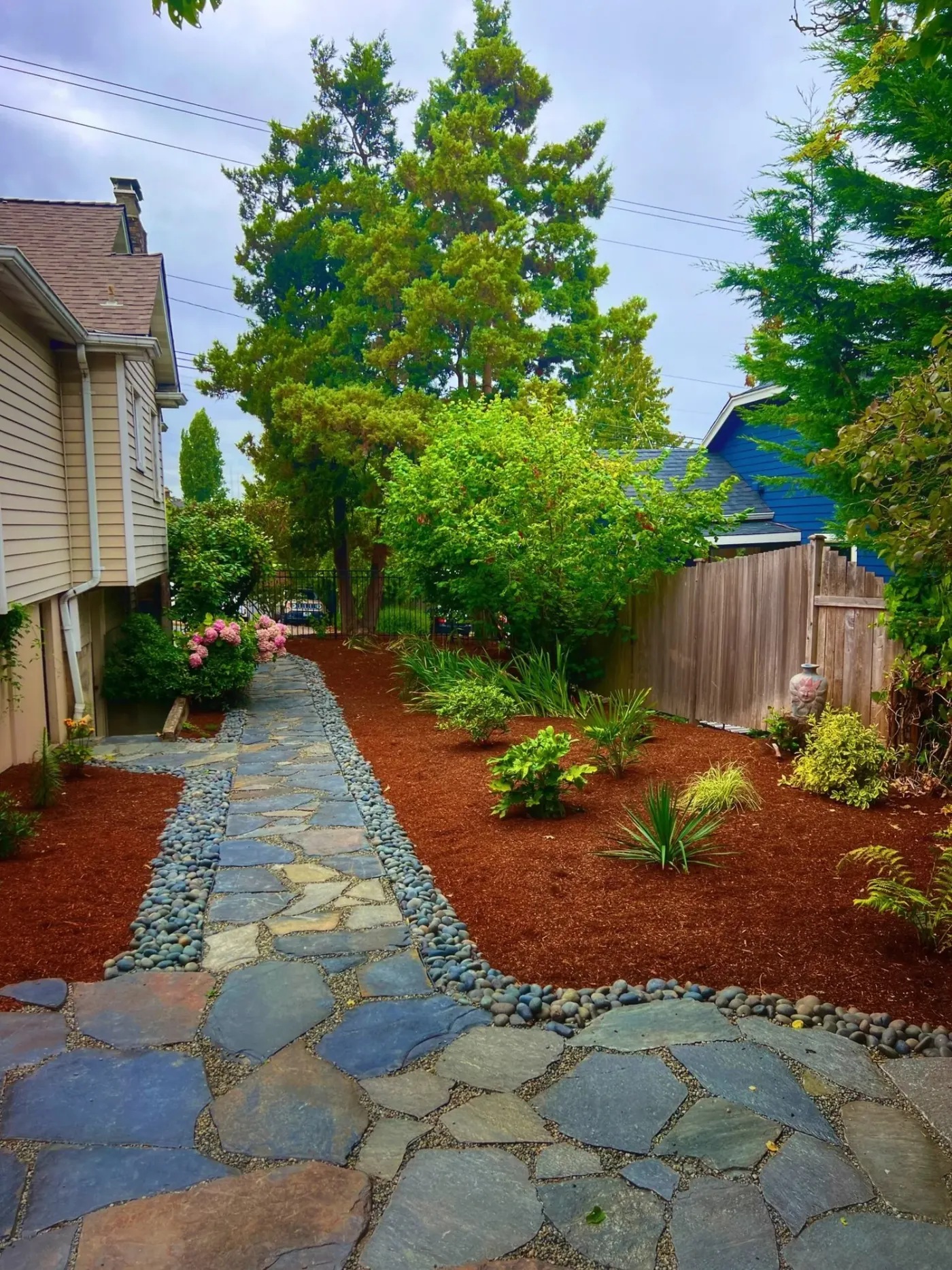
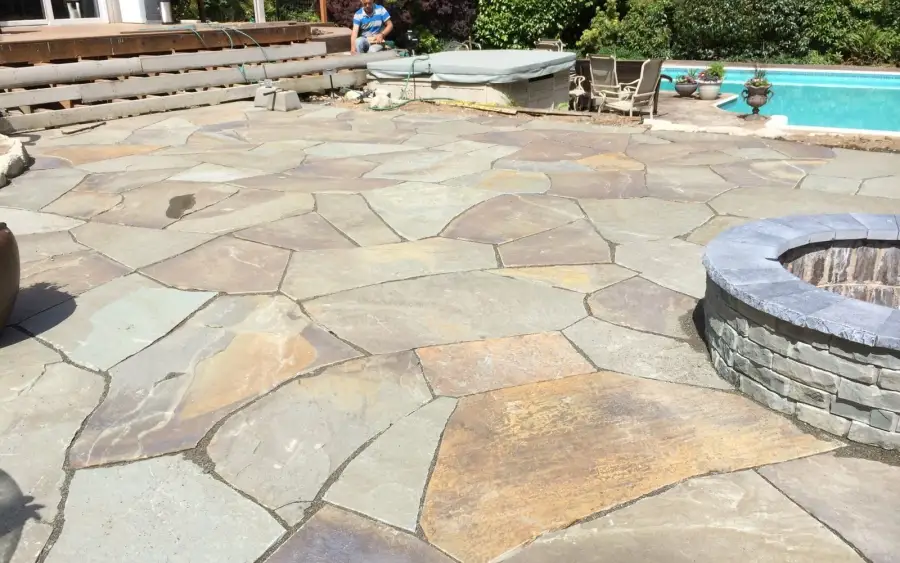
Flagstone path and river-rock edge
A side yard nobody used, turned into a proper route to the back garden.
No down payment. You pay when the project is finished.
Monday – Friday, 9:00 AM – 7:00 PM · Capitol Hill, Seattle
Service area
North Seattle is the flat part of a hilly city, and that changes what a garden needs. Where Queen Anne and Mount Baker jobs start with holding a slope, a Wedgwood or Maple Leaf job starts with a large level rectangle and the question of what it should actually do. The catch is that flat ground on glacial till drains worse than sloped ground, not better — water has nowhere to run, so it sits. Most of the north-end work we do begins by fixing that, then builds the patio, planting and lighting on top of ground that will stay where we put it.
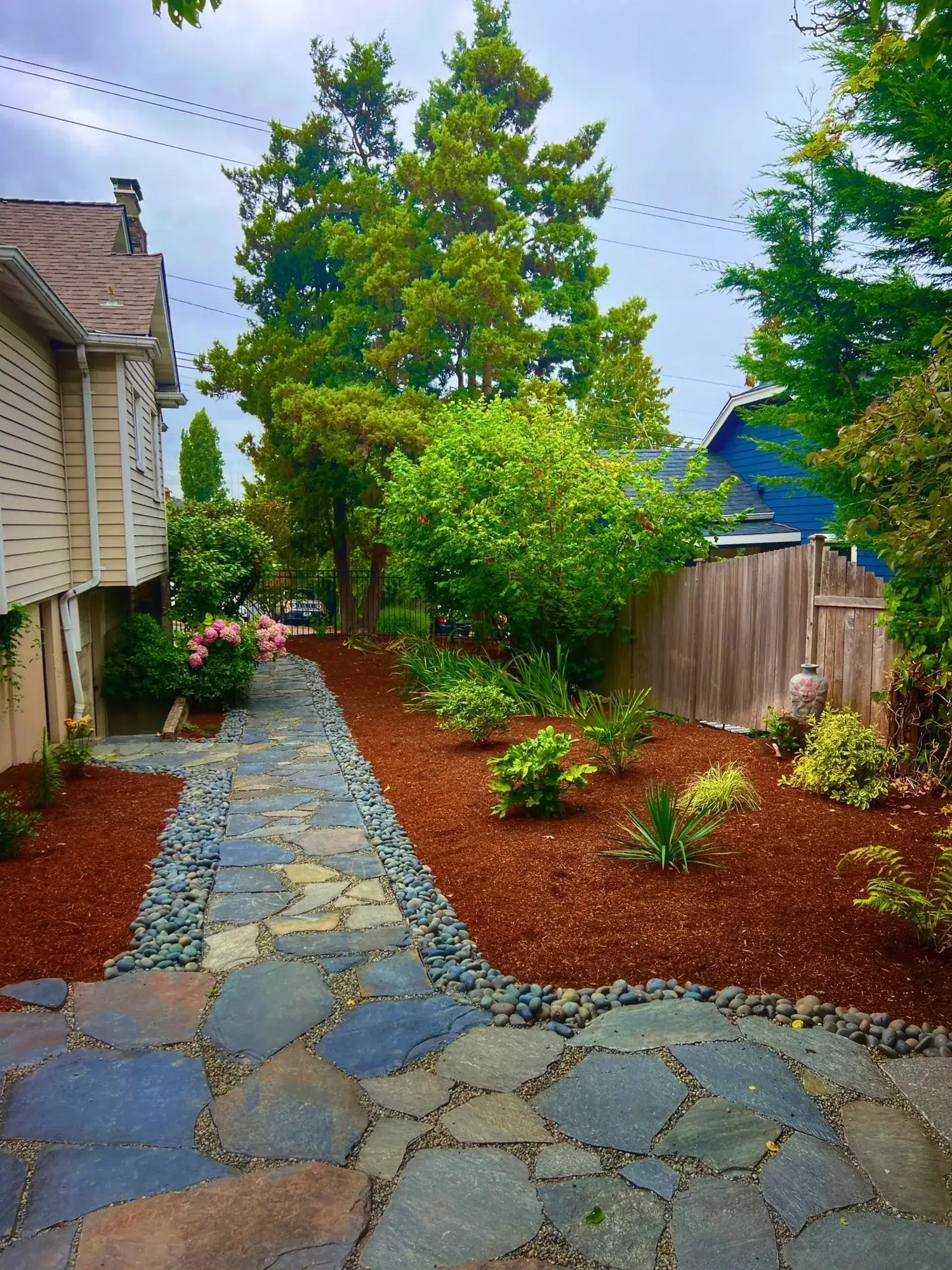
Flagstone stepping path with a river rock edge and fresh bark beds in a north Seattle garden
What we plan around here
North Seattle is where the flat lots are, which changes what the work is. Instead of the terracing and wall-building that dominates the south and west of the city, jobs here are about making a large flat garden do something — a patio that gets used, planting that reads year-round, and drainage that stops a level lawn from becoming a level pond. Flat ground drains worse than sloped ground, not better, and on till that matters.
What we build in North Seattle
Serving North Seattle and surrounding neighbourhoods
The 2.8-mile loop that half of north Seattle walks, and the reason lots nearby carry a premium.
A ravine park dropping to the Sound — a working illustration of how north-end bluff drainage behaves.
The green anchor between Phinney Ridge and Green Lake.
Ballard · Fremont · Wallingford · Green Lake · Phinney Ridge · Greenwood · Crown Hill · Northgate · Maple Leaf · Lake City · Wedgwood · View Ridge · Ravenna · University District · Laurelhurst · Sand Point
98103 · 98105 · 98107 · 98115 · 98117 · 98125 · 98133
Recent work
WalkwaysView full sizeA side yard nobody used, turned into a proper route to the back garden.
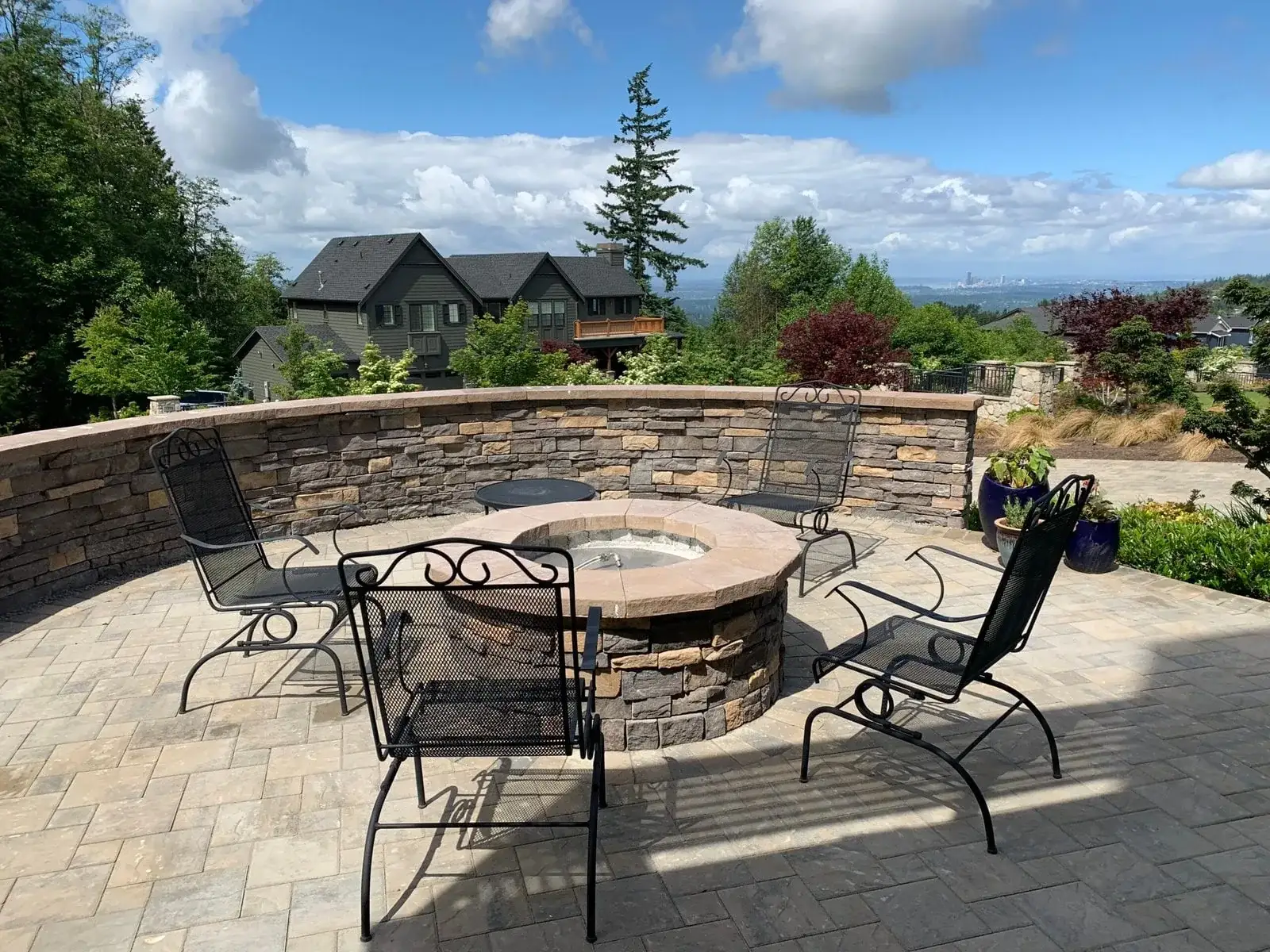
 Paver PatioView full size
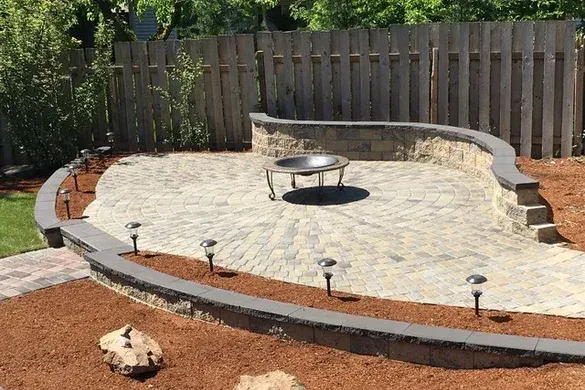
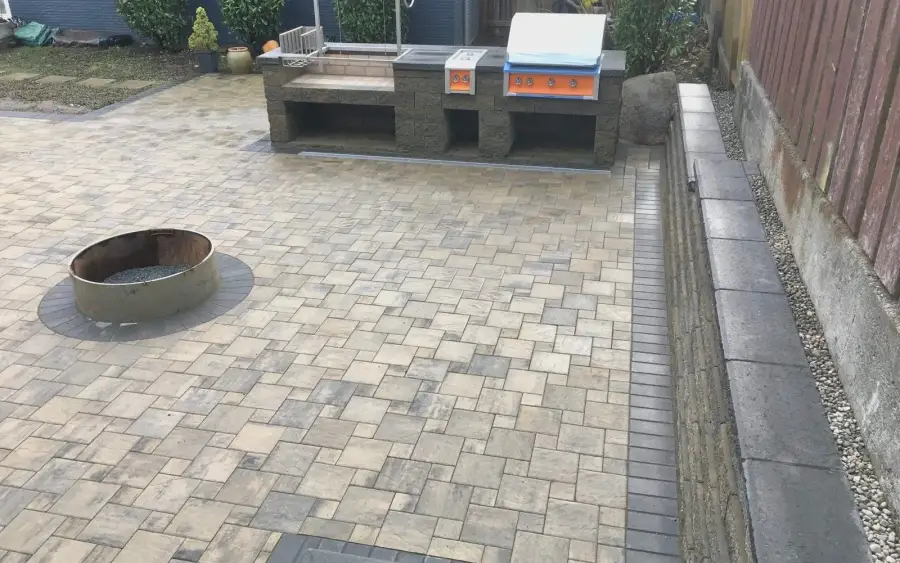
A circle is the hardest shape to lay well — every course has to be cut to the radius. Capped seat wall around the back, contrasting inner ring under the fire bowl, path lights set into the bed edge.
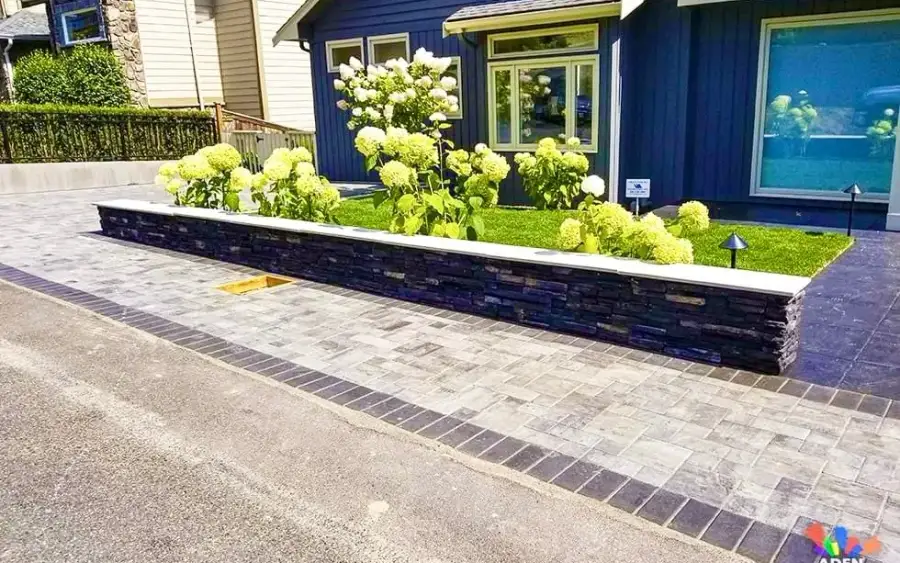
 StoneworkView full size
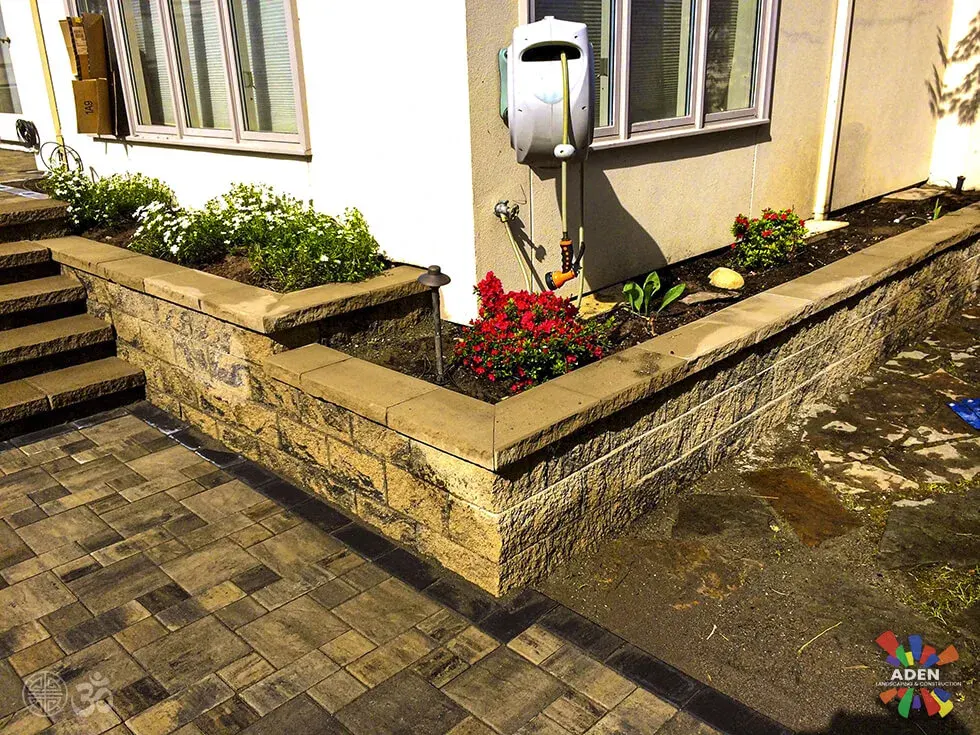
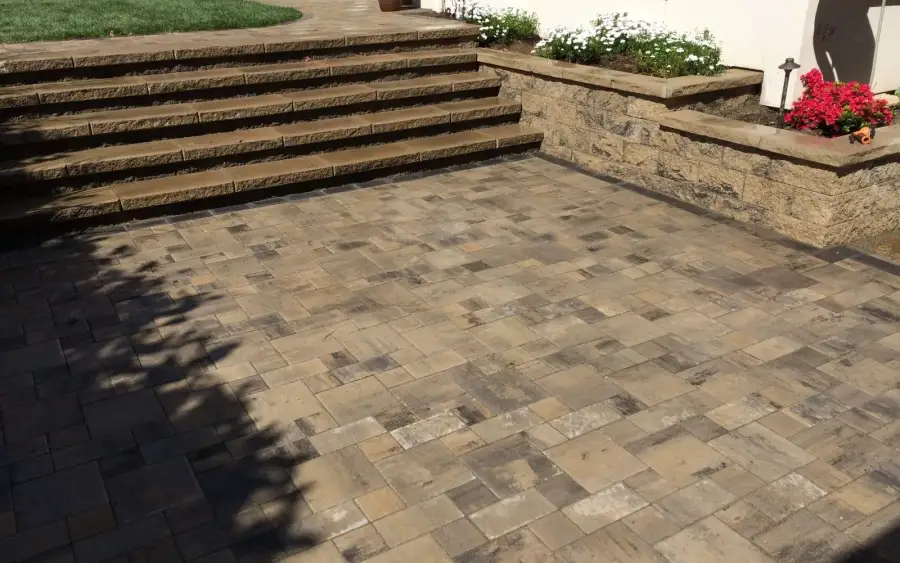
Stone-faced beds following the footing line, planted the day they were finished. Raising the soil away from the wall is what keeps water off the render.
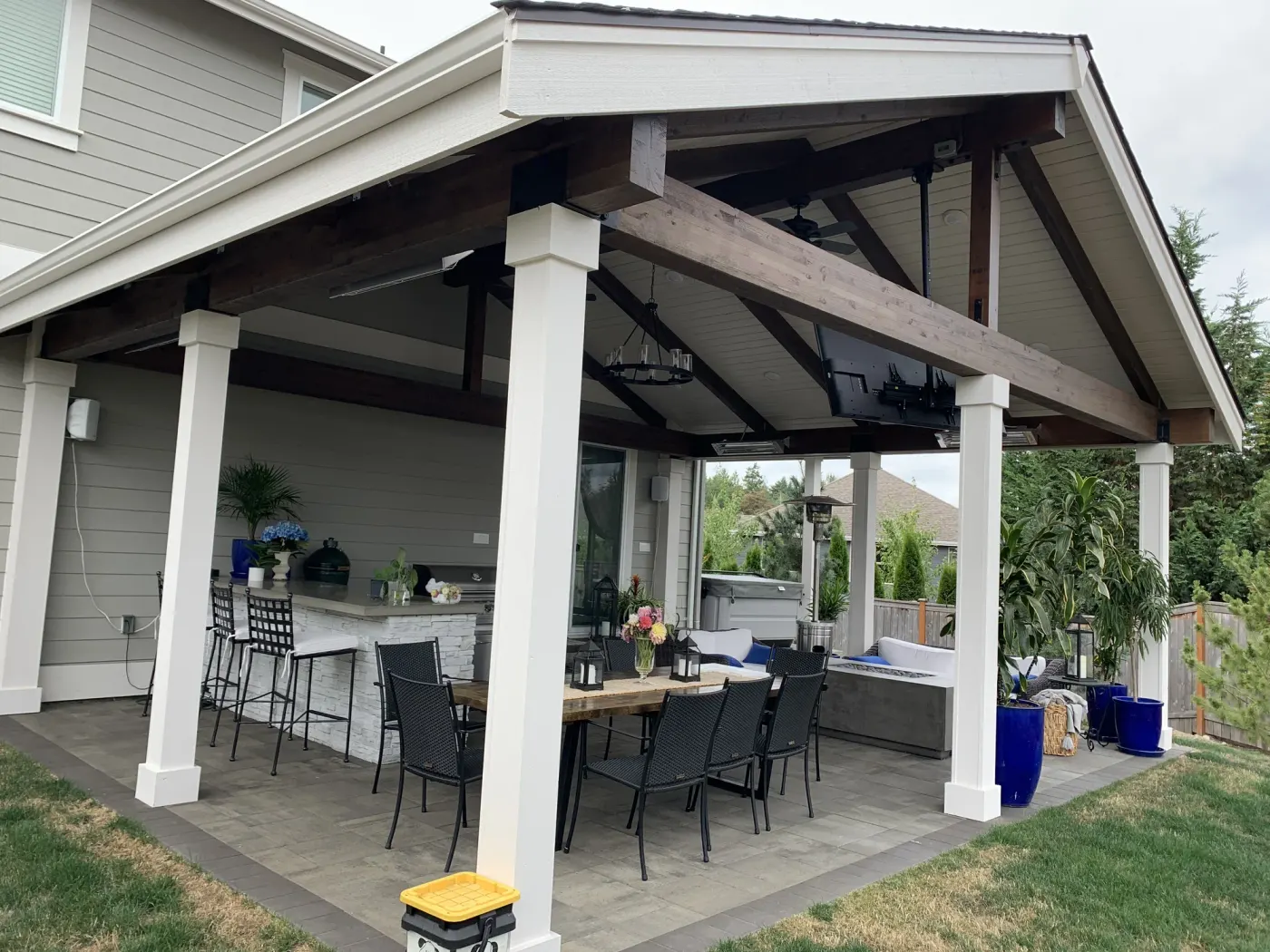 Outdoor LivingView full size
A gabled pavilion on white posts with stained beams overhead, a stone-faced bar with stools along the house wall, and a paver terrace running out under all of it. Built as one structure rather than a roof added over an existing patio, which is why the posts land on the paving instead of interrupting it.
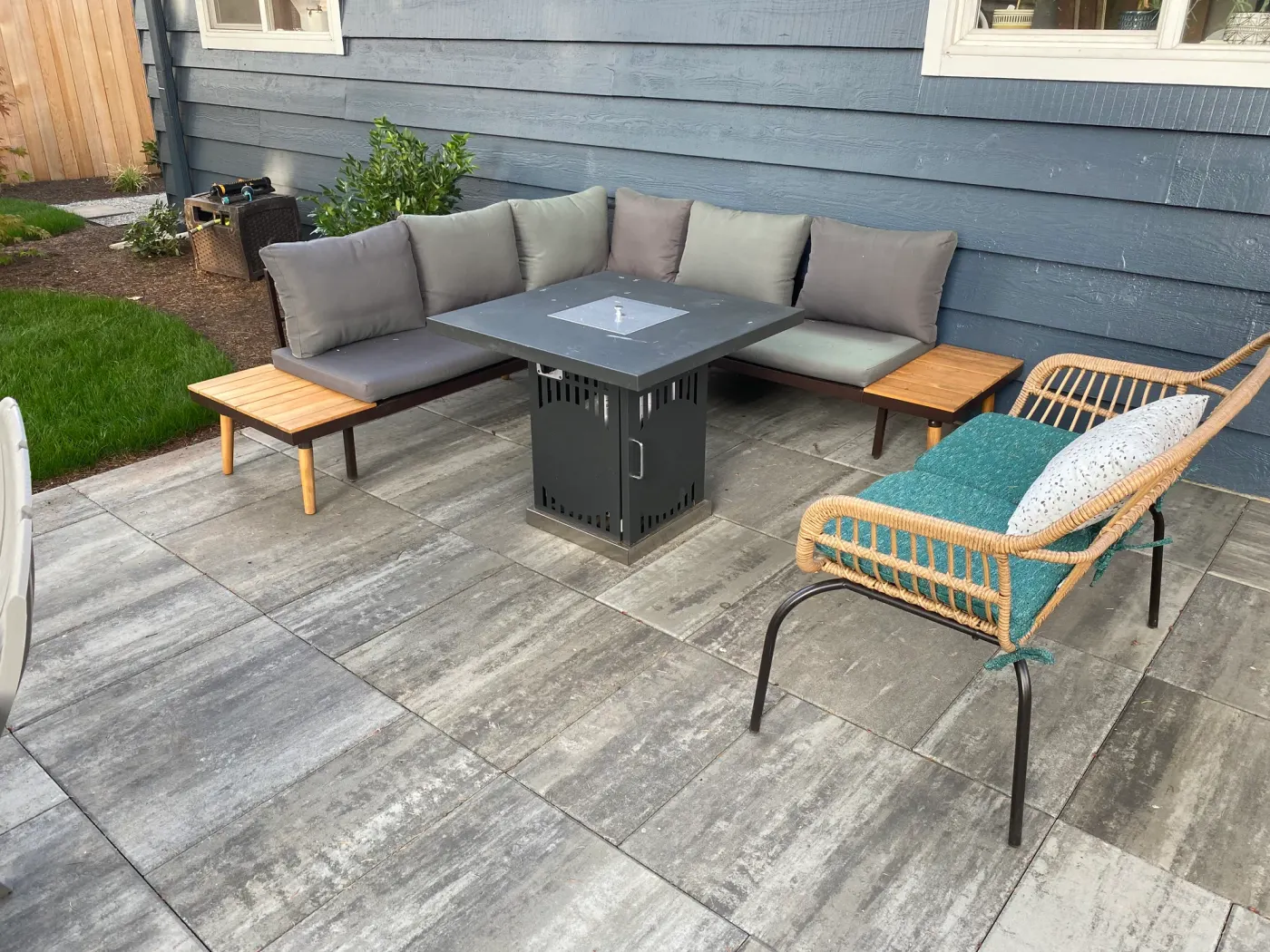 Paver PatioView full size
Large-format grey slabs laid tight against the house, sized for a corner sofa and a fire table with room to walk behind both. The joint lines run parallel to the wall rather than square to the garden, so the terrace reads as part of the building.
Local questions
Something specific to your street? Call (425) 533-9734 — we would rather look at it than guess.
Because slope gives water somewhere to go and flat ground does not. Under most of north Seattle is glacial till, a compacted layer that water moves through very slowly. On a sloped lot the water at least runs across the surface and away. On a flat Wedgwood or Maple Leaf lot it saturates the topsoil and stays there until it evaporates, which between October and March it largely does not. The fix is usually a French drain routed to a low point or the street, combined with a slight regrade so the ground itself moves water away from the house.
Yes, noticeably. The north-west corner of the district has outwash pockets — sandier, looser material left by the same glacial retreat — and lots there often drain well enough that a full drainage system is unnecessary. It is not universal and it does not follow neighbourhood boundaries neatly, so we test rather than assume. Where the soil does drain, the money that would have gone into drainage generally goes further into the visible parts of the project.
The mistake we see most is treating the whole thing as lawn and then never using it. A 40-by-40 flat garden supports genuine zoning: a paved area sized for a table and chairs that gets used from March, a lawn or turf area for play that is smaller than people expect, and planting deep enough to give the boundary some structure. Splitting a large flat space into two or three defined areas almost always makes it feel bigger and get used more, which is the opposite of most people's instinct.
They are a constraint worth designing around rather than a problem. Established north-end streets carry big maples, cedars and Douglas firs whose roots run far wider than the canopy suggests. Excavating a patio base through a major root plate can kill a tree slowly enough that nobody connects the two events. Where a tree matters we adjust the layout, use a shallower base build-up, or move the hard surface — and where a tree is already failing, removal before the hardscape goes in is far cheaper than removal afterwards.
We come out, walk the property, look at the grade and the drainage, and put a written price together. No deposit, and it does not change once agreed.
Nearby
Mostly flat, which makes it unusual for Seattle. Real grade appears only on Sunset Hill and the drop toward Golden Gardens and the ship canal.
15–25 minutes from Capitol Hill

Flat around the lake basin itself, rising to genuine grade on the Phinney Ridge side to the west and toward Maple Leaf to the north-east.
15–25 minutes from Capitol Hill
Genuinely flat. Wedgwood is one of the largest areas of level residential ground in Seattle, which is exactly why it drains the way it does.
20–30 minutes from Capitol Hill
Gentle and rolling, falling steadily toward Union Bay and Lake Washington. No severe grade, which is unusual for a Seattle waterfront-adjacent neighbourhood.
15–25 minutes from Capitol Hill
Broadly flat to gently rolling across the plateau, with genuine grade at the Boeing Creek and Ballinger ravines and a steep drop to the Sound above Richmond Beach.
25–35 minutes from Capitol Hill via I-5
Free estimate
15–25 minutes from Capitol Hill from our Capitol Hill base. Three minutes on the form and we will come out and look at it properly.
Or call (425) 533-9734
Thank you — we have your details. We reply during office hours, Monday – Friday, 9:00 AM – 7:00 PM. If it is urgent, call (425) 533-9734.