 WalkwaysView full size
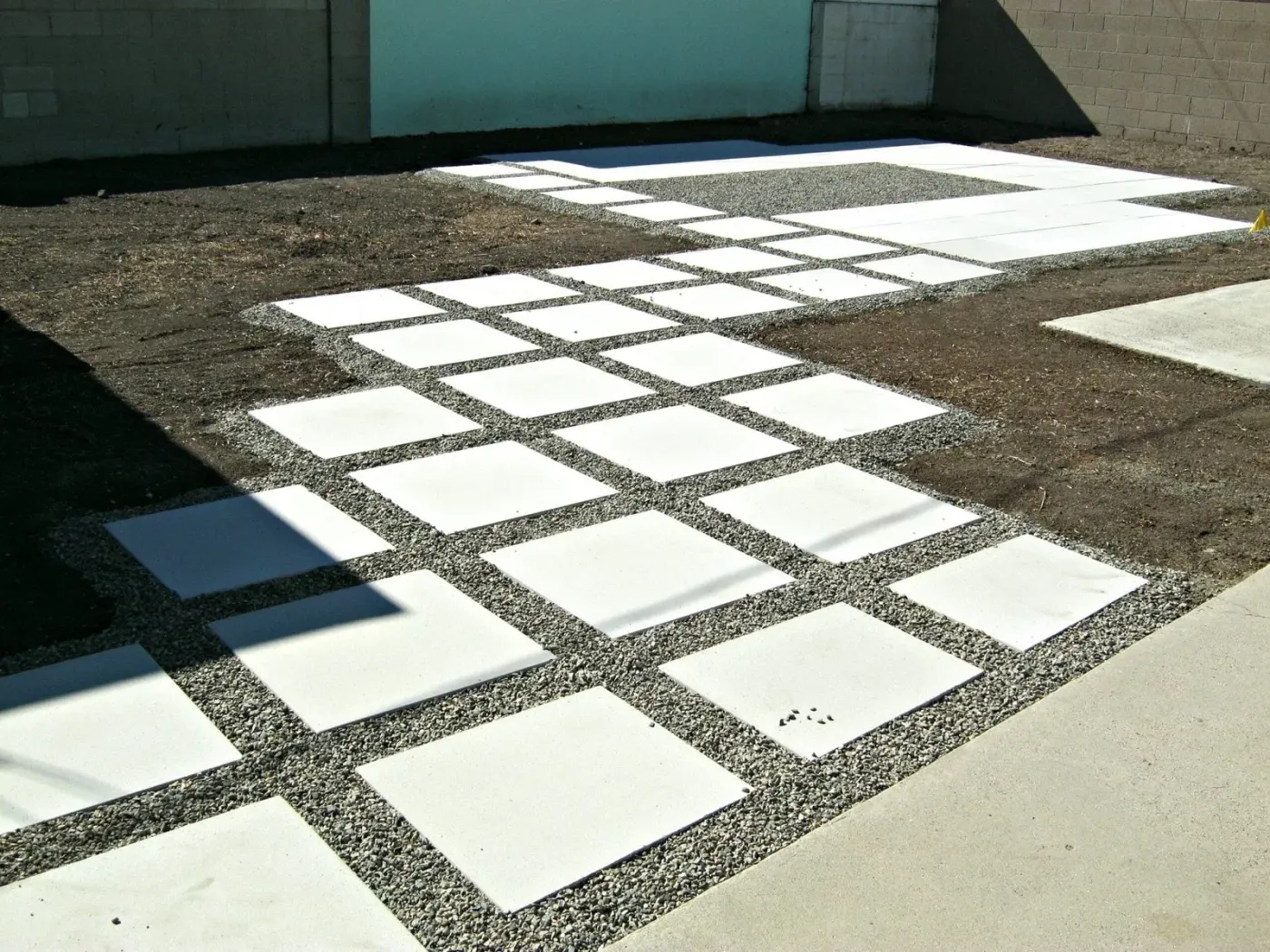
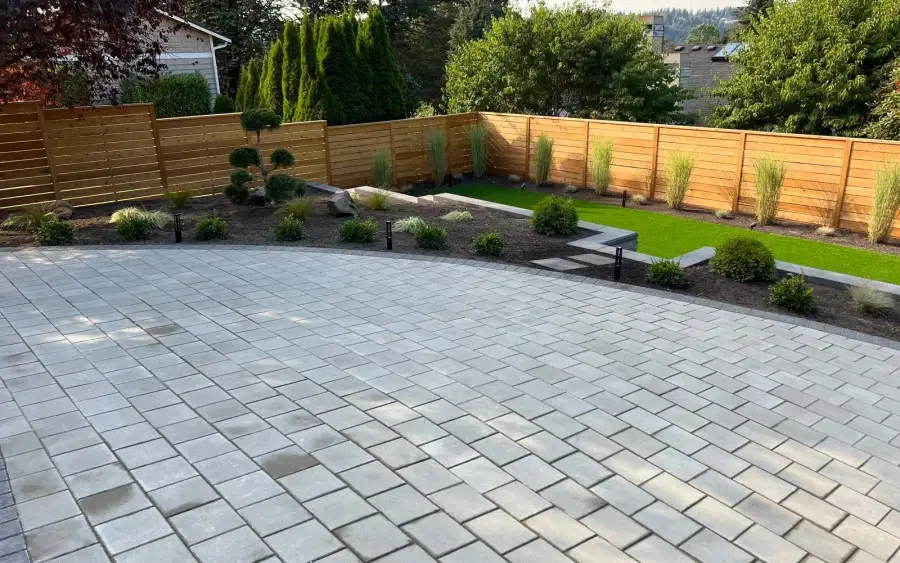
Floating slabs in a gravel bed
Oversized concrete slabs set in gravel — a clean modern route across a rebuilt yard.
No down payment. You pay when the project is finished.
Monday – Friday, 9:00 AM – 7:00 PM · Capitol Hill, Seattle
Service area
Lake Forest Park is steep, wooded and protective of both, and a project here works with those facts rather than against them. Lots fall toward Lake Washington through ravines, the canopy is dense enough that shade is the governing condition for planting, and the city's tree protection is real. The result is a design discipline: level ground is created in modest terraces rather than cleared wholesale, and planting is chosen for genuine shade rather than hoped into it. Lyon Creek and McAleer Creek run through the city and are salmon-bearing, which makes drainage discharge a question worth answering properly.
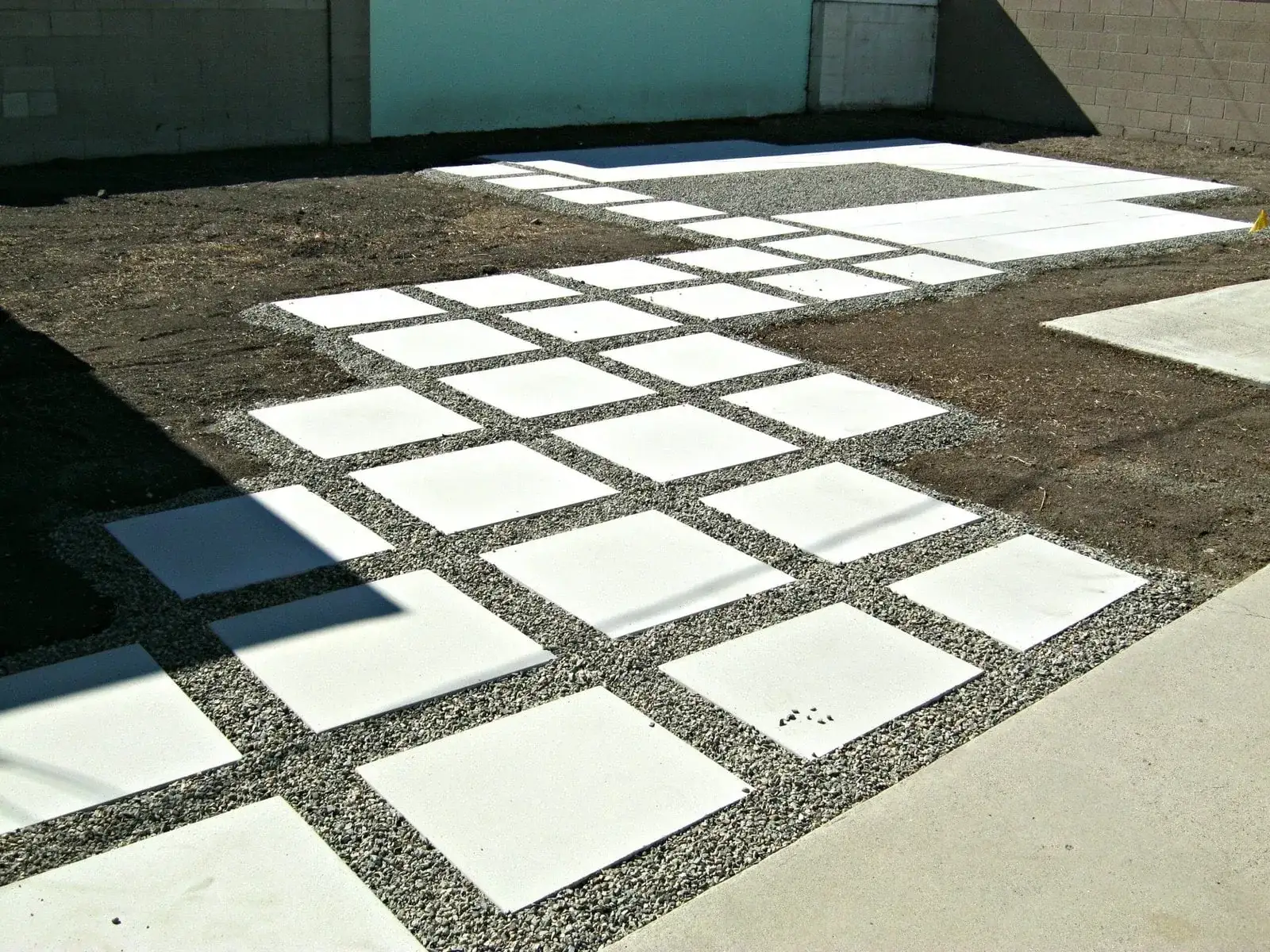
Oversized square concrete slabs set into a gravel bed forming a modern walkway in Lake Forest Park
What we plan around here
Lake Forest Park is the most wooded and among the steepest places we work. The city falls to Lake Washington through ravines, carries a dense mature canopy, and takes tree protection seriously — which combines into a straightforward planning reality: on most lots here you are designing around trees and grade rather than clearing either. The creek corridors add a second layer. Lyon Creek and McAleer Creek are salmon-bearing, so where drainage discharges to is a genuine environmental question here rather than a technical detail.
What we build in Lake Forest Park
Serving Lake Forest Park and surrounding neighbourhoods
The regional trail along the city's lakefront edge, and the flattest ground in a city that has very little of it.
One of two salmon-bearing creeks cutting through the city — and the reason drainage discharge here is a question with a real answer rather than a formality.
The commercial centre at the junction, sitting on the low ground where the creeks reach the lake.
Sheridan Beach · Horizon View · Brookside · Lyon Creek · McAleer Creek · Ballinger edge
98155
Recent work
Local questions
Something specific to your street? Call (425) 533-9734 — we would rather look at it than guess.
It shapes the design from the start rather than constraining it at the end. Lake Forest Park places real value on its canopy and regulates removal on private property, and given how densely wooded most lots here are, that touches a large share of projects. The practical effect is that we survey what is on the lot and design around what is staying — which usually means smaller terraces placed between root plates rather than one large excavated platform, and hard surfaces positioned outside critical root zones. Where a tree is genuinely failing or hazardous that is a different conversation, and we will tell you what the process involves.
That is exactly the right question, and it needs answering before any system is designed. Both creeks are salmon-bearing, which means discharge into or near them is subject to environmental rules rather than being a matter of convenience, and the critical area regulations around the corridors and their buffers are enforced. On a ravine lot the topography frequently offers a legitimate route to daylight elsewhere on the property, and where it does not, the answer may be attenuation and infiltration rather than a pipe. What we will not do is design a system that solves your garden and discharges the problem into a creek.
A great deal, once you stop trying to grow the things that will not. Under a dense canopy on a ravine slope you have low light, soil that dries in summer because the trees take the water, and acidic leaf and needle litter — and the planting that thrives in that combination is essentially the native woodland palette. Sword fern, salal, evergreen huckleberry, hellebores and shade groundcover look intentional and cost almost nothing to keep. Lawn under a mature canopy here does not work and no amount of reseeding changes it. The gardens that succeed in Lake Forest Park lean into being woodland gardens.
Yes, in modest sizes, and modest is the important word. The instinct on a steep wooded lot is to cut one generous level platform, which on this ground means a tall retaining wall, significant excavation through root zones, and a real question about what the slope is doing afterwards. Several smaller terraces work far better here: they need shorter walls, they can be positioned between existing trees rather than through them, and they suit the way these gardens are actually used. On a ravine slope, drainage behind each wall and control of where water goes afterwards is not optional.
We come out, walk the property, look at the grade and the drainage, and put a written price together. No deposit, and it does not change once agreed.
Nearby
Broadly flat to gently rolling across the plateau, with genuine grade at the Boeing Creek and Ballinger ravines and a steep drop to the Sound above Richmond Beach.
25–35 minutes from Capitol Hill via I-5
Valley floors along the Sammamish River and North Creek, with substantial upland either side — Norway Hill in the west, the Canyon Park and Thrashers Corner plateau to the north-east.
30–45 minutes from Capitol Hill via I-405
Gentler than the rest of Seattle. Broad flat platforms around Green Lake, Wedgwood and Maple Leaf, with real grade at the ravine edges and toward the Sound.
15–25 minutes from Capitol Hill
Genuinely flat. Wedgwood is one of the largest areas of level residential ground in Seattle, which is exactly why it drains the way it does.
20–30 minutes from Capitol Hill
A consistent fall from the ridges down to Lake Washington. Waterfront and downtown lots are steep, Rose Hill and Finn Hill sit high, and the low ground at Juanita is flat and slow.
25–40 minutes from Capitol Hill via SR-520
Free estimate
30–40 minutes from Capitol Hill via I-5 from our Capitol Hill base. Three minutes on the form and we will come out and look at it properly.
Or call (425) 533-9734
Thank you — we have your details. We reply during office hours, Monday – Friday, 9:00 AM – 7:00 PM. If it is urgent, call (425) 533-9734.