
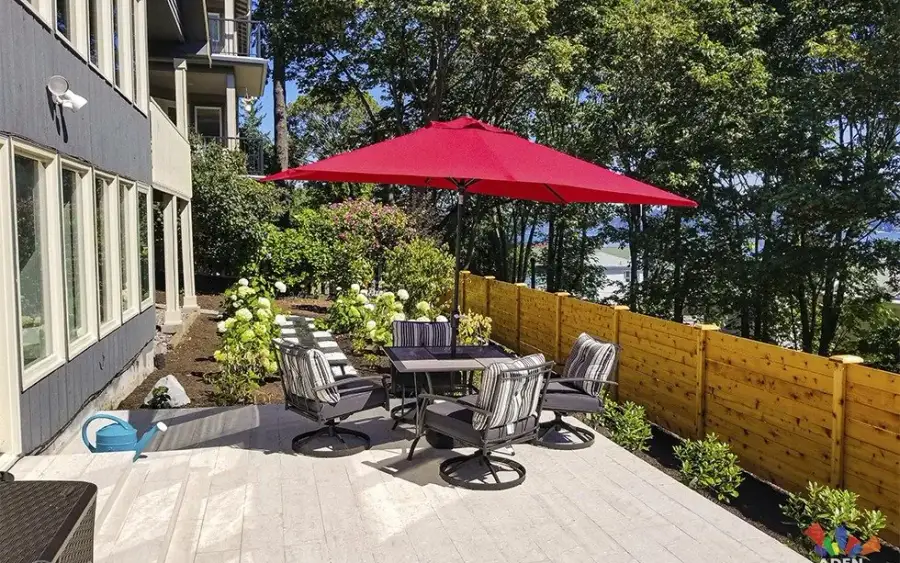
HOA & Association Landscape Management
Common areas maintained and capital work delivered on a schedule.
- Common-area maintenance
- Hardscape repair
- Capital improvement
Quoted per property against a written scope
No down payment. You pay when the project is finished.
Monday – Friday, 9:00 AM – 7:00 PM · Capitol Hill, Seattle
Service
Commercial hardscape is the same craft as residential with three things added, and those three things are what most residential contractors fail at rather than the construction. There is a specification to build to rather than a conversation to interpret. There is a programme, because a courtyard closed in August is lost amenity and a parking court closed on the wrong week is an access complaint from forty units. And there is a paper trail — bid breakdown, schedule of values, certificates, lien releases, a named contact who answers the phone when a board member calls. We bid this work with the scope written out line by line, so a board or a property manager can compare our number against another one on the same basis instead of guessing what was included.
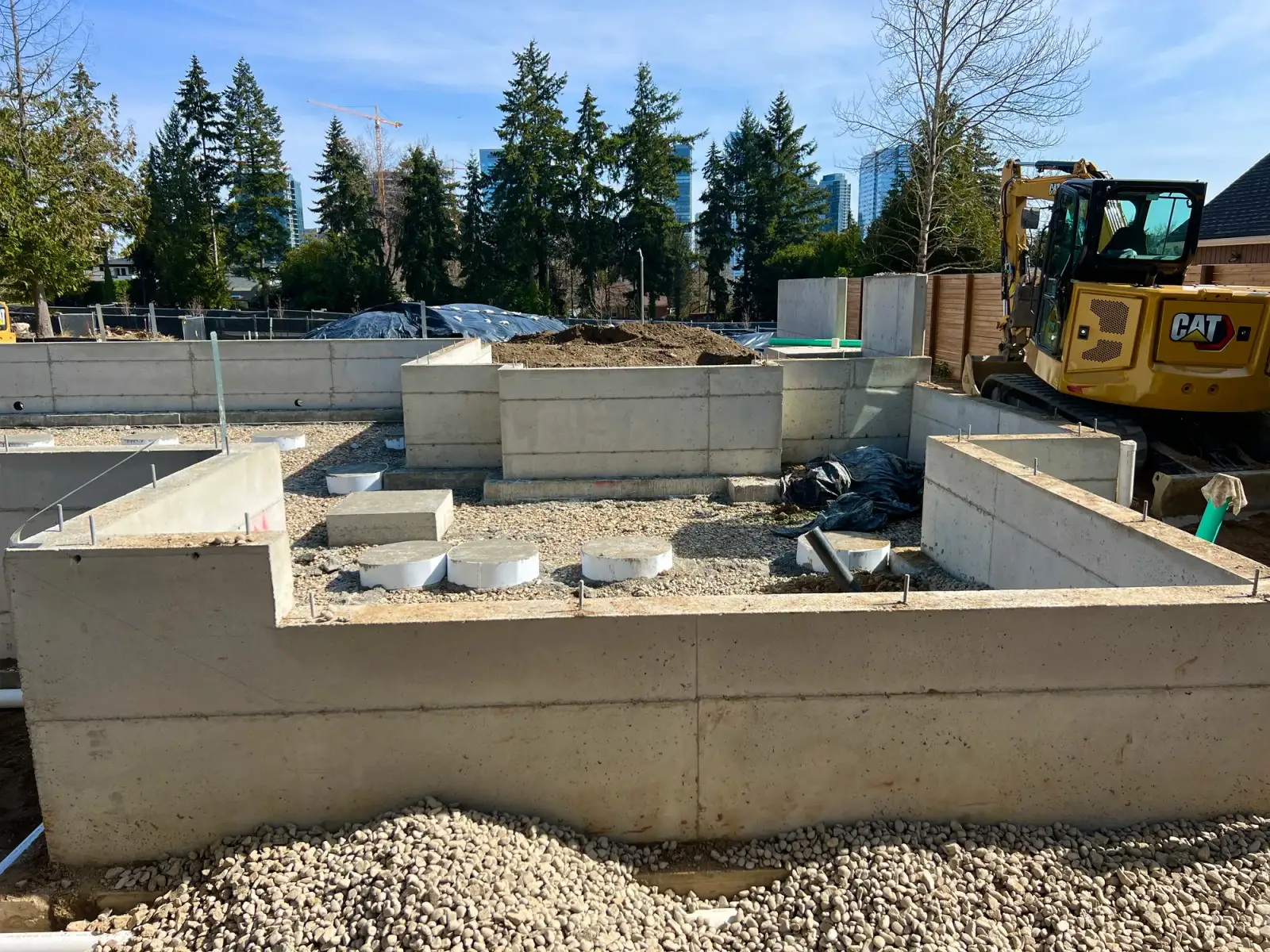
Formwork and reinforcement set for a poured concrete retaining structure on a Bellevue commercial site
What is included
A contractor who can work to a spec and hit a programme.
A bid you can put in front of a board: quantities, unit rates, exclusions stated rather than implied, and a schedule of values for progress billing. Boards reject vague numbers and they are right to.
Work sequenced so access, parking and egress stay available — half a parking court at a time, a path diverted rather than closed. On an occupied property the programme is as much of the deliverable as the paving.
Accessible paths, landings and ramps built to the gradients and cross-slopes the code requires, with the tolerances checked as built rather than assumed. A path at the wrong cross-slope is a rebuild, not a snag.
A surface taking delivery vehicles and refuse trucks needs a different base depth and often a different paver thickness than a patio. Getting the build-up wrong shows up as rutting along the wheel lines within two years.
Bonding where the contract requires it, registration details, certificates of insurance naming the association or owner as required, and lien releases at completion. Supplied with the bid rather than chased afterwards.
Why people call us
How we build it
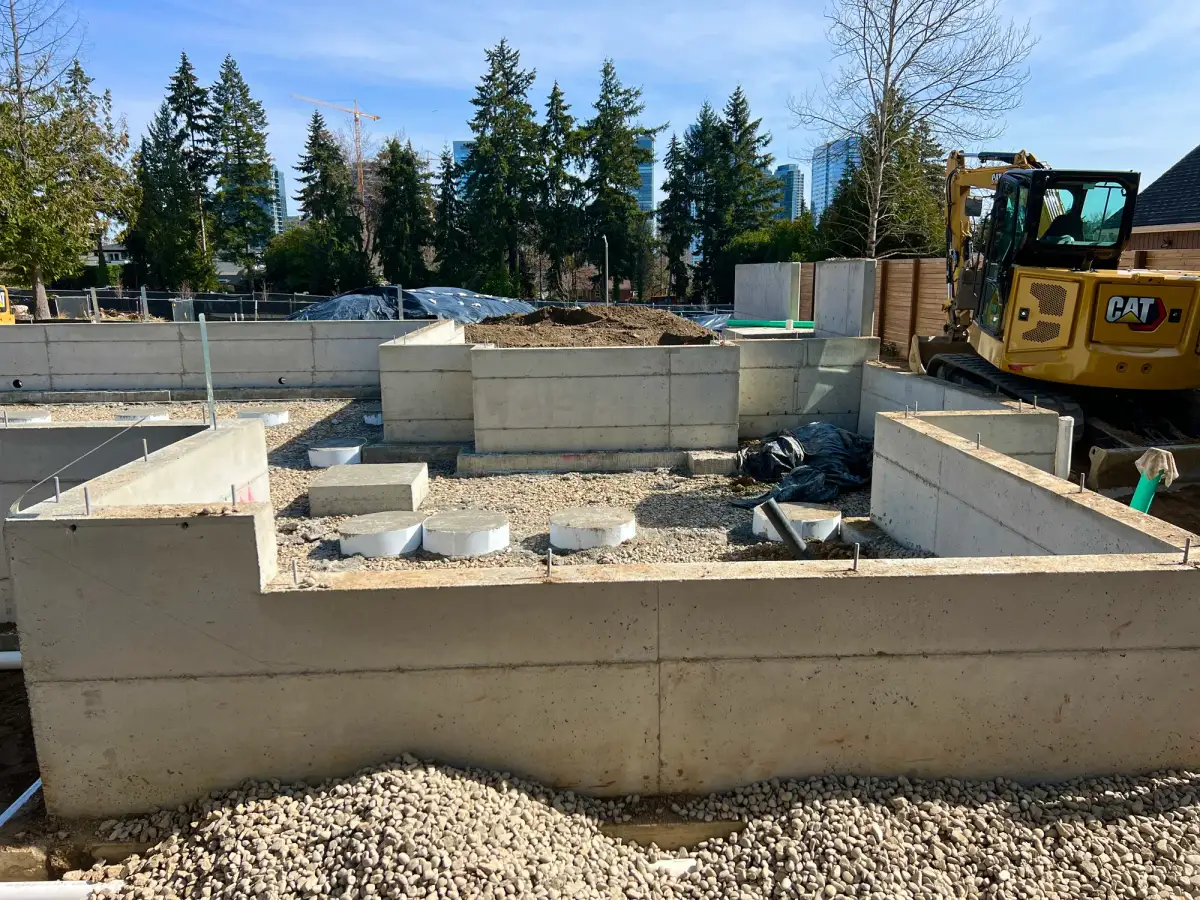
Seasonality. Programmed rather than seasonal, which is one of the differences from residential work. Associations commonly want capital work done in a specific window — before an annual meeting, after a reserve-study approval, outside a leasing season — and we schedule to that. Poured concrete and compaction-dependent work still want the drier half of the year, so a winter programme is planned around which elements can proceed.
Usually a property manager, a board member or both. We establish what is being replaced and why — a trip hazard, a failed wall, a reserve-study line item — because the driver changes the scope.
Measured quantities, unit rates, a schedule of values, and the exclusions written down. Where a reserve study has set a budget we will say plainly whether the scope fits it.
A phasing plan showing what is closed when, agreed before mobilisation. For an HOA this is usually what gets presented to residents, so it is written to be read by them rather than by us.
Permit applications where the work needs them, product submittals where the spec calls for approval, and engineering for any retaining structure above the local threshold.
A named site contact, a weekly update that a manager can forward to a board without rewriting it, and photographs of the buried work before it is covered.
Walk-through with a punch list, as-built notes on anything that changed, lien releases, and the warranty terms in writing.
What it costs
We do not publish a unit rate for commercial work because it would mislead. A 400 square foot entry courtyard and a 12,000 square foot parking court with a vehicle-rated build-up are different products at different rates, and phasing an occupied site costs real money that a residential rate does not carry. What we will do is break the bid down by line so the number is auditable, and tell you where the scope could be reduced if the budget is fixed.
That is a market range, not a quote. Your price is fixed in writing after we have seen the site, and it does not move once agreed.
No deposit is required to start. Payment comes after the work is finished — not before.
A fixed, accurate price is guaranteed before the job starts. We do not quote low and raise it mid-project.
A 0% interest payment plan is available for up to 6 months.
Hardscaping work carries a warranty. Vegetation is excluded.
Where we build it
We work across Seattle, the Eastside and the north end — see every area we cover.
Before you call
Something not answered here? Call (425) 331-9811 and ask — we would rather talk it through than have you guess.
Yes, and it is a large part of this side of the business. Practically it means writing a bid a board can actually evaluate — itemised quantities and rates, exclusions stated, a schedule of values — and then communicating in a form a manager can forward to residents without rewriting it. The thing that most often goes wrong on association work is not the construction, it is a contractor who talks to one board member and leaves everyone else guessing. We work to whoever the association names as the decision-maker and keep the paper trail in one place.
We are a registered Washington contractor, we carry bonding and liability coverage, and we will supply certificates of insurance naming the association or owner as additional insured where your contract requires it. We provide those documents with the bid rather than after award, because a board should not have to take it on trust. We would rather give you the current certificates to verify directly with the carrier than print numbers on a web page that may be out of date by the time you read them.
Almost always, and on an occupied property we assume it. That looks like taking a parking court in halves, keeping one accessible route open at all times, or working a courtyard in sections so residents never lose all of the amenity at once. Phasing does add cost — more mobilisations, more temporary protection, more setting out — so we price it as a visible line rather than hiding it in the rate, and you can decide whether a faster full closure is worth the saving.
A residential estimate is a fixed price for an agreed outcome. A commercial bid is a priced response to a scope, which means the scope has to be pinned down first — quantities measured, specifications named, exclusions listed, and a schedule of values so progress billing matches work in place. It also carries documentation a residential job does not: submittals, certificates, lien releases, closeout. If you are comparing two commercial bids and one is noticeably cheaper, the exclusions list is almost always where the difference is.
Yes, and it is worth treating as a technical item rather than a box to tick. Accessible routes have requirements for running gradient, cross-slope, landing dimensions and surface tolerance, and the cross-slope is the one that most often fails on a rebuilt path because it is easy to lose while matching into existing levels. We set out to the required tolerances and check them as built, which sometimes means telling you that an existing route cannot be matched into without regrading a longer section than you expected.
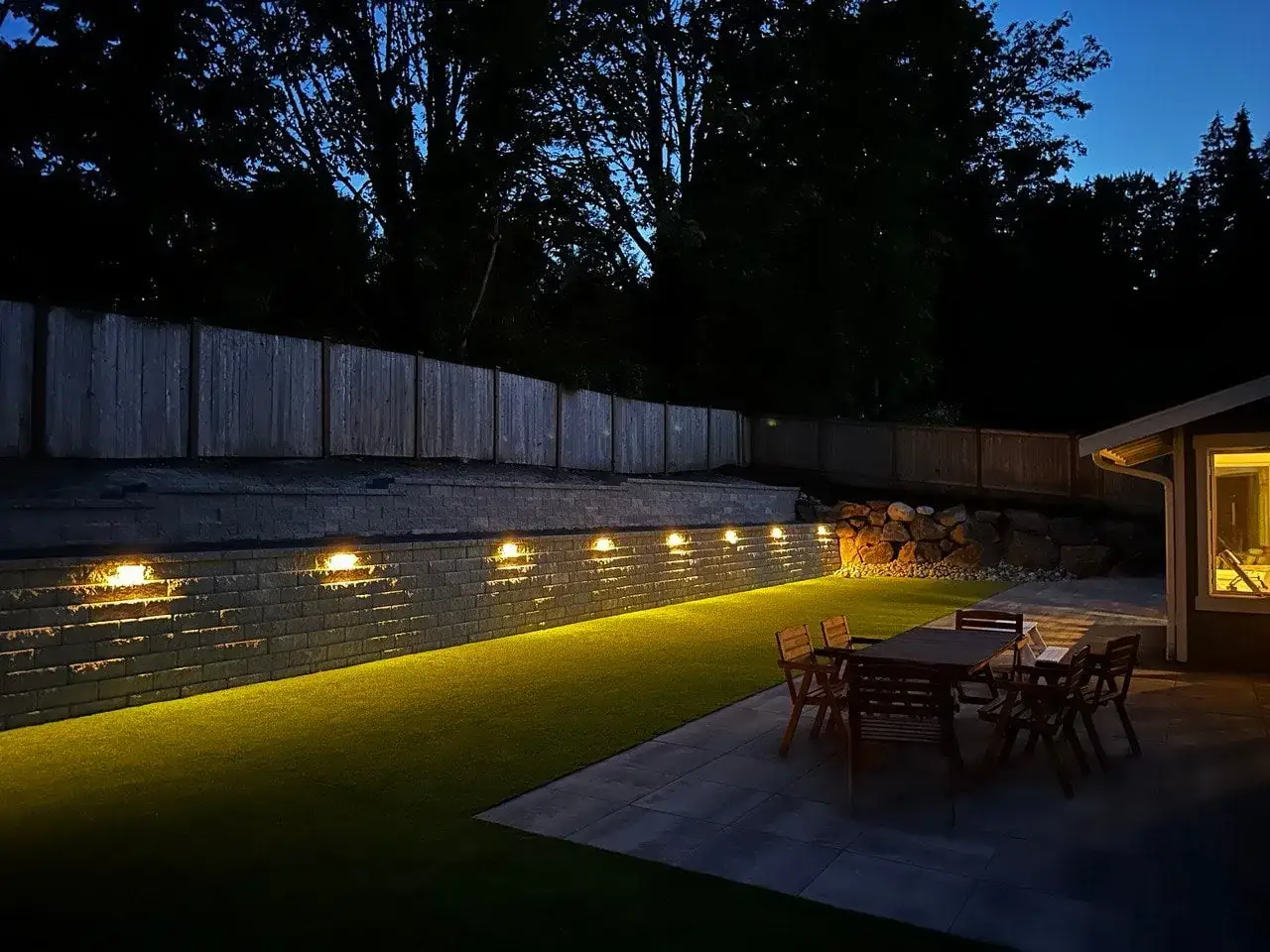
We come out, look at the site properly, and put a fixed written price together. No deposit, and nothing changes once the price is agreed.
Usually done alongside
Common areas maintained and capital work delivered on a schedule.
Quoted per property against a written scope
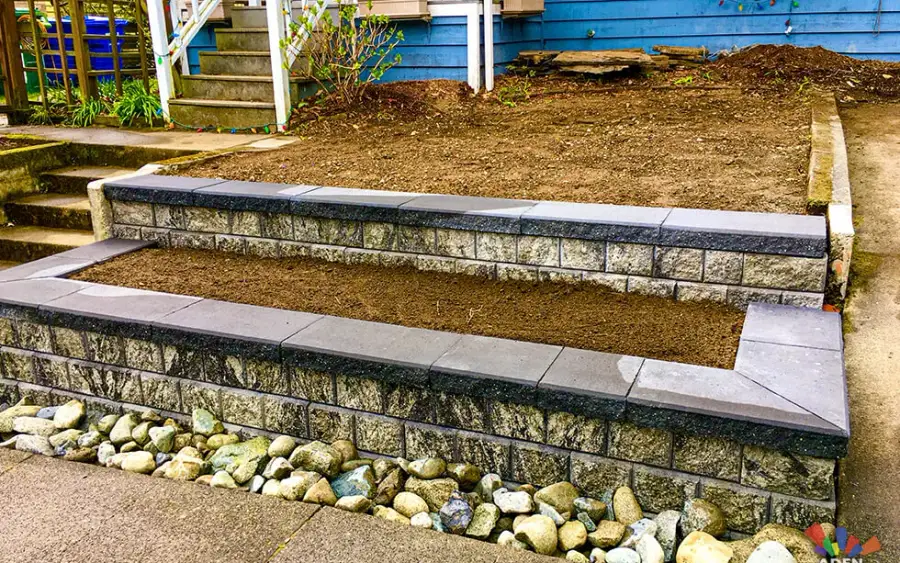
Flat, dry, usable ground that stays where you put it.
$18–$120 per square foot, depending on the element
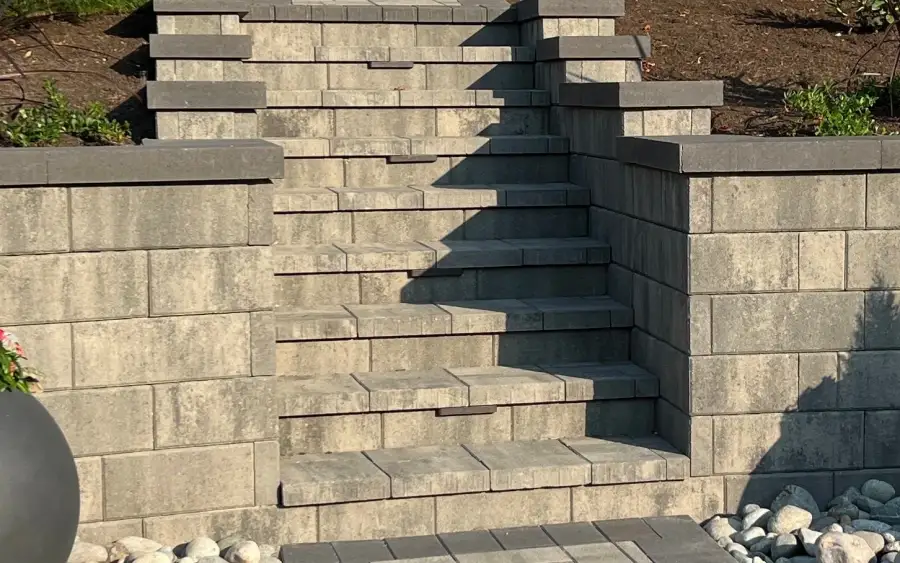
A tall wall that is actually designed for the load behind it.
$55–$125 per square foot of wall face
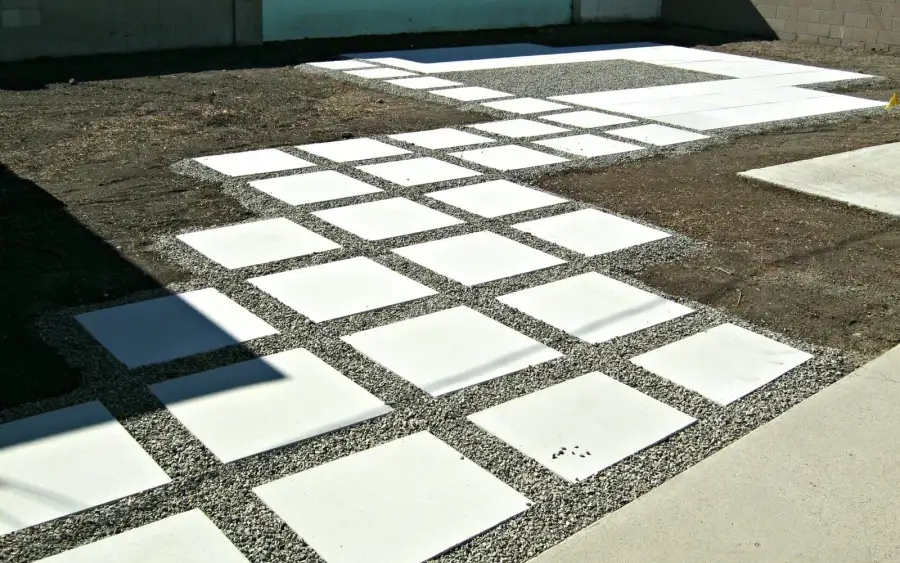
Pavers set on a base built for this ground and this rainfall.
$18–$40 per square foot installed
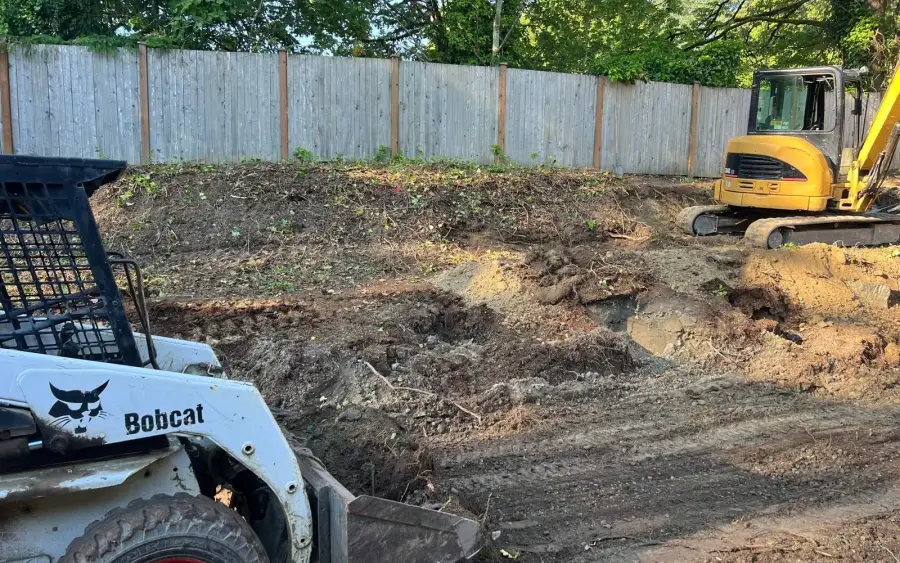
A yard that drains through a Seattle winter instead of holding it.
$10–$25 per linear foot
Free estimate
Three minutes on the form. We reply during office hours — Monday – Friday, 9:00 AM – 7:00 PM.
Or call (425) 331-9811
Thank you — we have your details. We reply during office hours, Monday – Friday, 9:00 AM – 7:00 PM. If it is urgent, call (425) 331-9811.