
 Retaining Walls
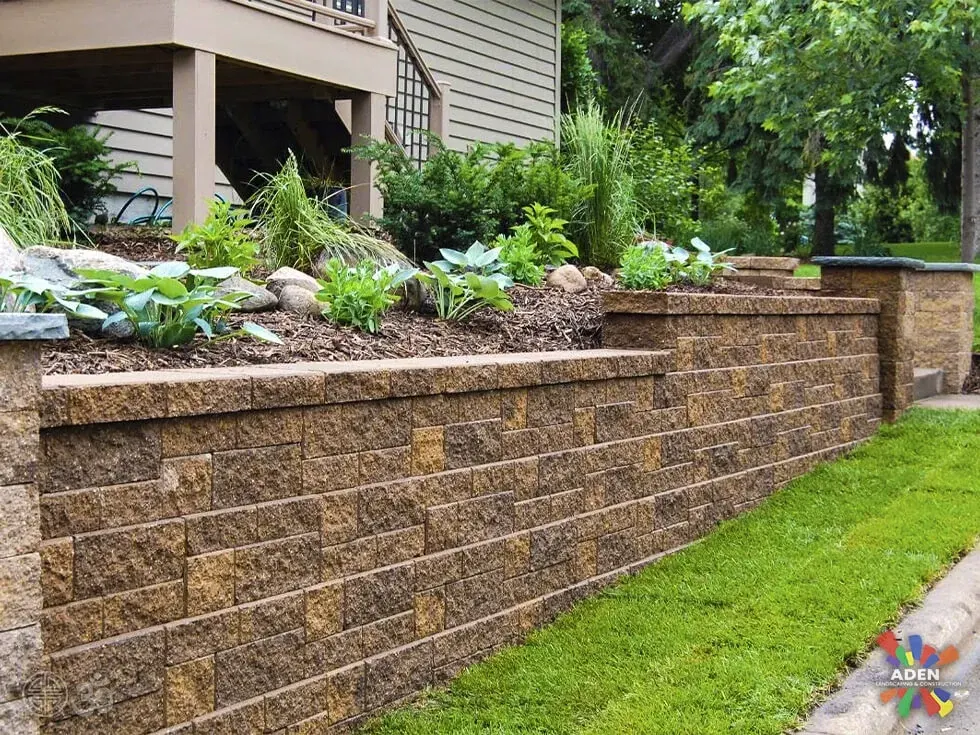
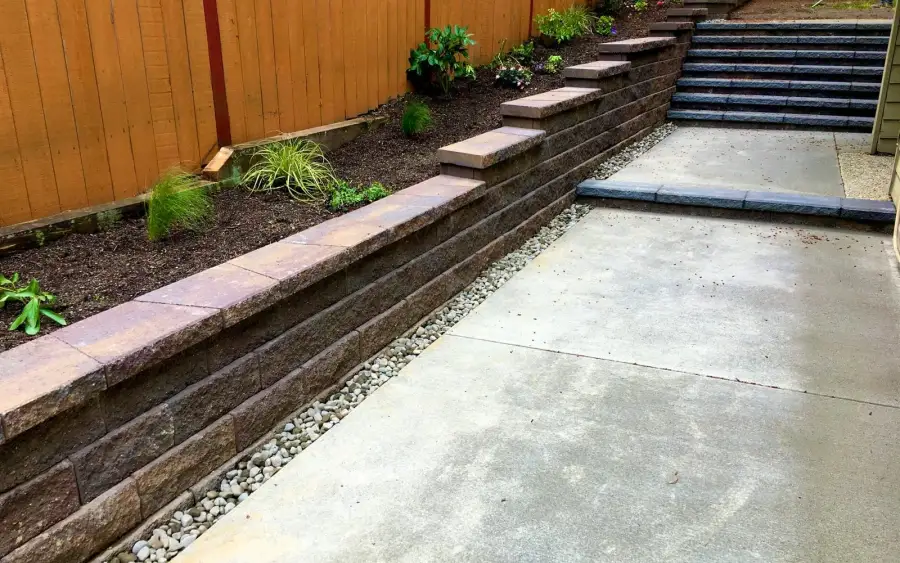
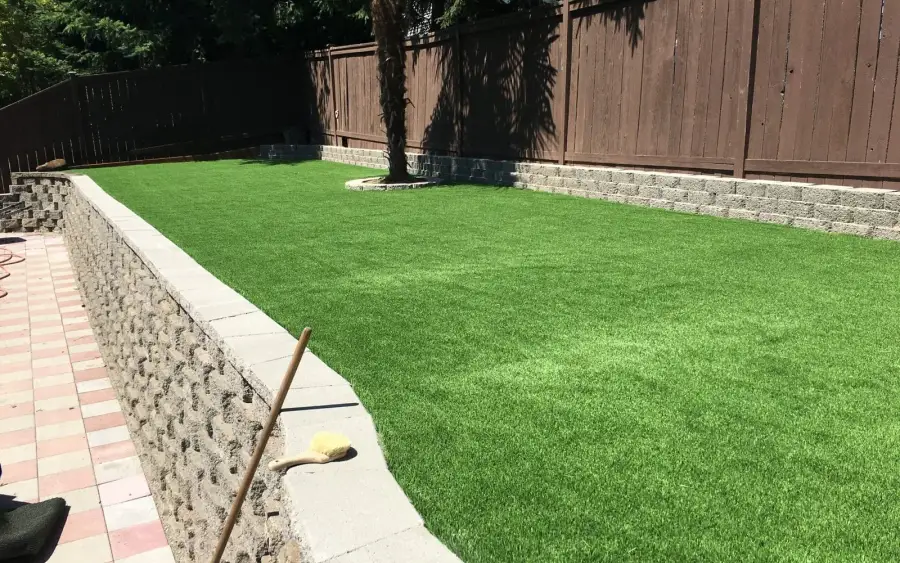
Block wall holding a planted bed
One course of tan split-face block turns a soft slope into a level bed and a level lawn. The planting sits above the wall instead of sliding down it, which is the entire reason the wall is there.
No down payment. You pay when the project is finished.
Monday – Friday, 9:00 AM – 7:00 PM · Capitol Hill, Seattle
Service area
Issaquah sits in a valley ringed by mountains, and that geography drives most of the work here. Properties built into the flanks of Cougar, Squak and Tiger need grade held before there is a garden to design, which makes this the strongest retaining wall market on the Eastside. It also means water: on a hillside lot a substantial share of what you are managing came off the mountain rather than off your roof, and a drainage system sized for a suburban lot will be overwhelmed by it. Add dense HOA coverage across the Highlands, Talus and Klahanie, and Issaquah rewards knowing the local conditions.
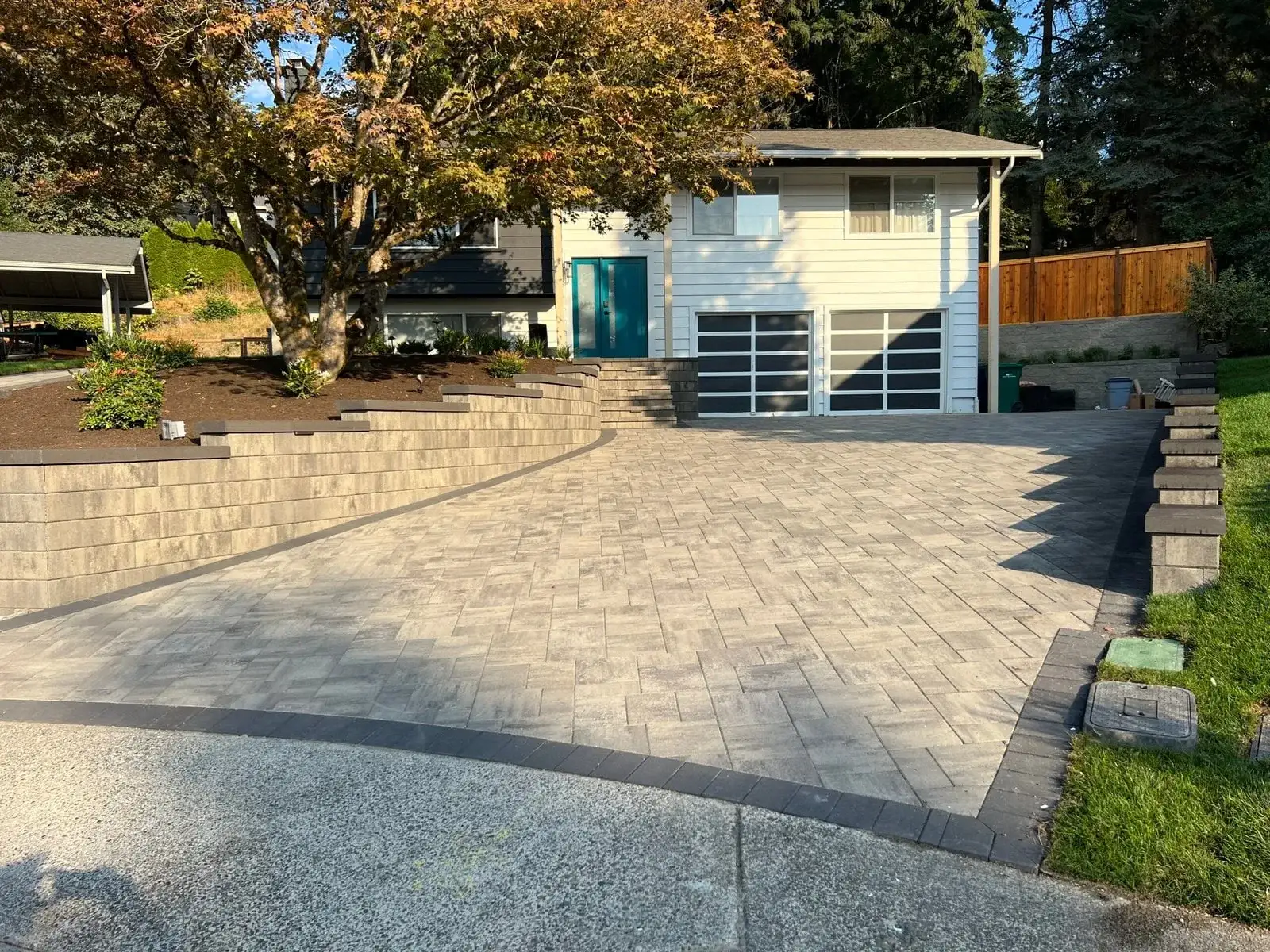
Wide paver driveway and turning apron in front of a garage on a sloped Issaquah lot
What we plan around here
Issaquah is the retaining wall market on this side of the water. The city sits in a valley surrounded by mountains, and properties built into those slopes need grade held before anything else can happen. The second local factor is water arriving from above: on a hillside lot, a significant share of what you are managing did not fall on your property at all, it came down off the mountain, and drainage has to be sized for that rather than for your roof area. Third, HOA coverage here is among the densest in the region.
On a lot built into the flank of Cougar, Squak or Tiger, a large share of the water you are managing is not yours. It is moving downhill across a broad front through six months of wet weather, and your garden simply sits on its route. That is a fundamentally different problem from a flat suburban lot managing its own rainfall: the volume is larger, it arrives across a wide face rather than at a downspout, and it does not stop when the rain does.
A drainage system designed to collect water after it has reached the house is fighting something it was never sized for, which is why so many retrofit drains on this hillside silt up or overflow within a few seasons. The approach that works here is interception — a cut-off drain positioned upslope of the area you are protecting, routed around it to a real discharge point, so the water never arrives.
It is also usually the cheaper answer. Intercepting flow above a wall costs a fraction of what it costs to build a wall strong enough to stand in front of it, and the wall lasts longer for it.
What we build in Issaquah
Serving Issaquah and surrounding neighbourhoods
Three thousand acres on the city's western flank — the largest of the Issaquah Alps and the reason so many lots here are built into a hillside.
The low ground at the lake's southern end, where the valley floor and Issaquah Creek behave nothing like the mountainsides above.
The forested mountain on the south-east side, and the source of a good deal of the water that arrives on properties below it.
Olde Town Issaquah · Issaquah Highlands · Talus · Squak Mountain · Cougar Mountain · Providence Point · Klahanie · Sammamish Plateau edge
98027 · 98029
Recent work
Retaining WallsOne course of tan split-face block turns a soft slope into a level bed and a level lawn. The planting sits above the wall instead of sliding down it, which is the entire reason the wall is there.
 Paver Patio
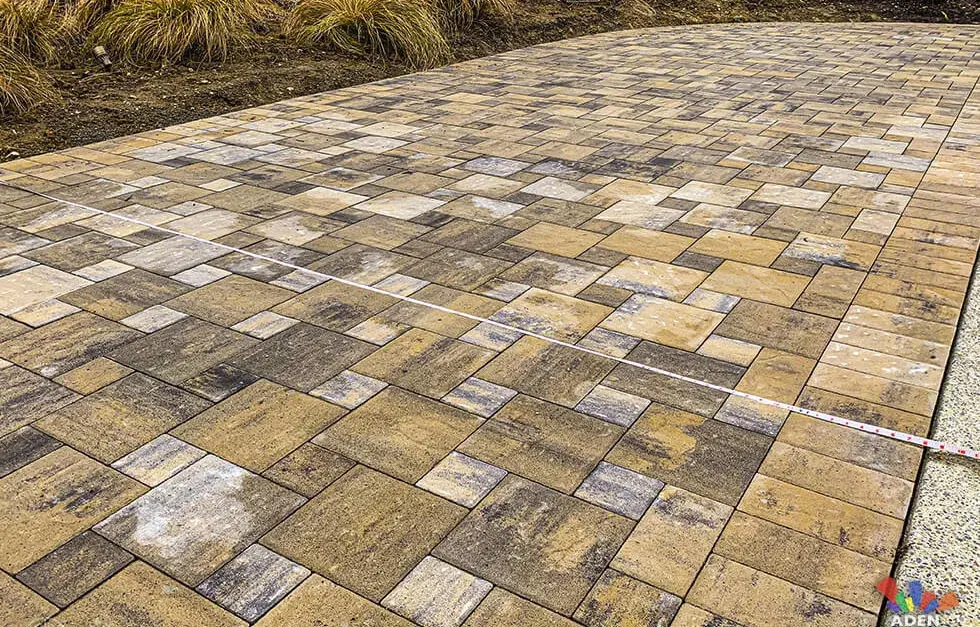
Three sizes and two colours laid in a random ashlar pattern. Blending from several pallets as you work is what stops a batch difference turning up later as a stripe across the patio.
 Driveway Paving
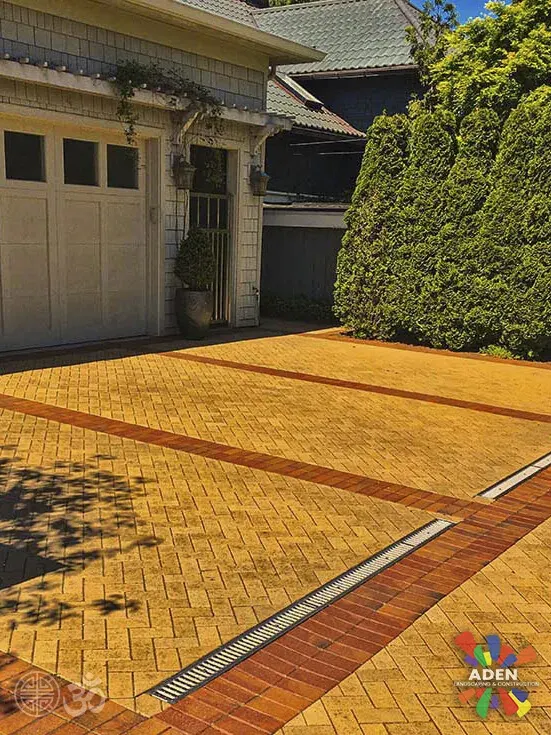
The apron takes the worst of the turning load, which is why it is where a driveway fails first. Laid on a full vehicle-rated base with a banded border holding the edge.
Local questions
Something specific to your street? Call (425) 331-9811 — we would rather look at it than guess.
Because a great deal of it is not yours. On a property built into the flank of Cougar, Squak or Tiger Mountain, surface and shallow subsurface water moves downhill continuously through the wet months, and your lot is simply somewhere along its route. That is a fundamentally different problem from a flat suburban lot managing its own rainfall — the volume is larger, it arrives across a wide front rather than at a downspout, and it does not stop when the rain does. Drainage here is designed as interception: cutting off the flow above the area you want to protect and routing it around, rather than collecting water after it has already reached the house.
More than most of the region, and it is genuinely worth establishing what applies to your specific property before any design work. The Highlands, Talus, Klahanie and Providence Point all operate associations, several with detailed architectural standards covering fencing, hard surface materials, front-of-house appearance and planting. The process is not usually difficult but it has a timeline, and a spring build that needs approval should be submitted over the winter. We produce the specifications and drawings in a form suitable for a submission and schedule the build behind it rather than assuming it will be waved through.
More often than in Seattle, because the walls tend to be taller. Requirements are set by the local jurisdiction rather than uniformly across the region, and a property in unincorporated King County is governed differently from one inside the Issaquah city limits — so the first step is establishing which applies and what the thresholds are for your address. What holds regardless is the physics: taller walls carry substantially greater loads, hillside sites often carry water pressure as well as soil pressure, and both are reasons the drainage behind the wall is not optional. Where a design needs engineering input we say so at quote stage rather than after.
Easier to build on, and sometimes harder to drain. The older Olde Town and valley-floor properties near Issaquah Creek are level and accessible, which removes the terracing and access costs a Highlands hillside lot carries. What they have instead is a high water table and proximity to the creek corridor, which limits trench depth and available fall — the same constraint that makes drainage difficult on flat ground anywhere. On balance a valley lot is a cheaper project, but the drainage question still needs a real answer rather than a standard detail.
We come out, walk the property, look at the grade and the drainage, and put a written price together. No deposit, and it does not change once agreed.
Nearby
A broad elevated plateau. Gently rolling across most of it rather than steep, with real fall only at the plateau edges dropping toward Lake Sammamish and Issaquah.
35–50 minutes from Capitol Hill via I-90
Rolling, with real elevation on Somerset, Cougar Mountain's western flank and Newport Hills, and low, flat, slow-draining ground through the Mercer Slough basin.
20–35 minutes from Capitol Hill via I-90
Steep. Newcastle is built on the western flank of Cougar Mountain, and substantial grade across a single lot is the norm rather than the exception.
25–40 minutes from Capitol Hill via I-90
A flat valley floor along the Sammamish River, with substantial upland on three sides — Education Hill to the north, Union Hill and Novelty Hill east, and the Overlake rise to the south-west.
30–45 minutes from Capitol Hill via SR-520
A domed island — relatively level across the crown through Island Crest, then falling away to the shoreline on every side, steeply in places.
15–25 minutes from Capitol Hill via I-90
Free estimate
30–45 minutes from Capitol Hill via I-90 from our Capitol Hill base. Three minutes on the form and we will come out and look at it properly.
Or call (425) 331-9811
Thank you — we have your details. We reply during office hours, Monday – Friday, 9:00 AM – 7:00 PM. If it is urgent, call (425) 331-9811.