
 HardscapingView full size
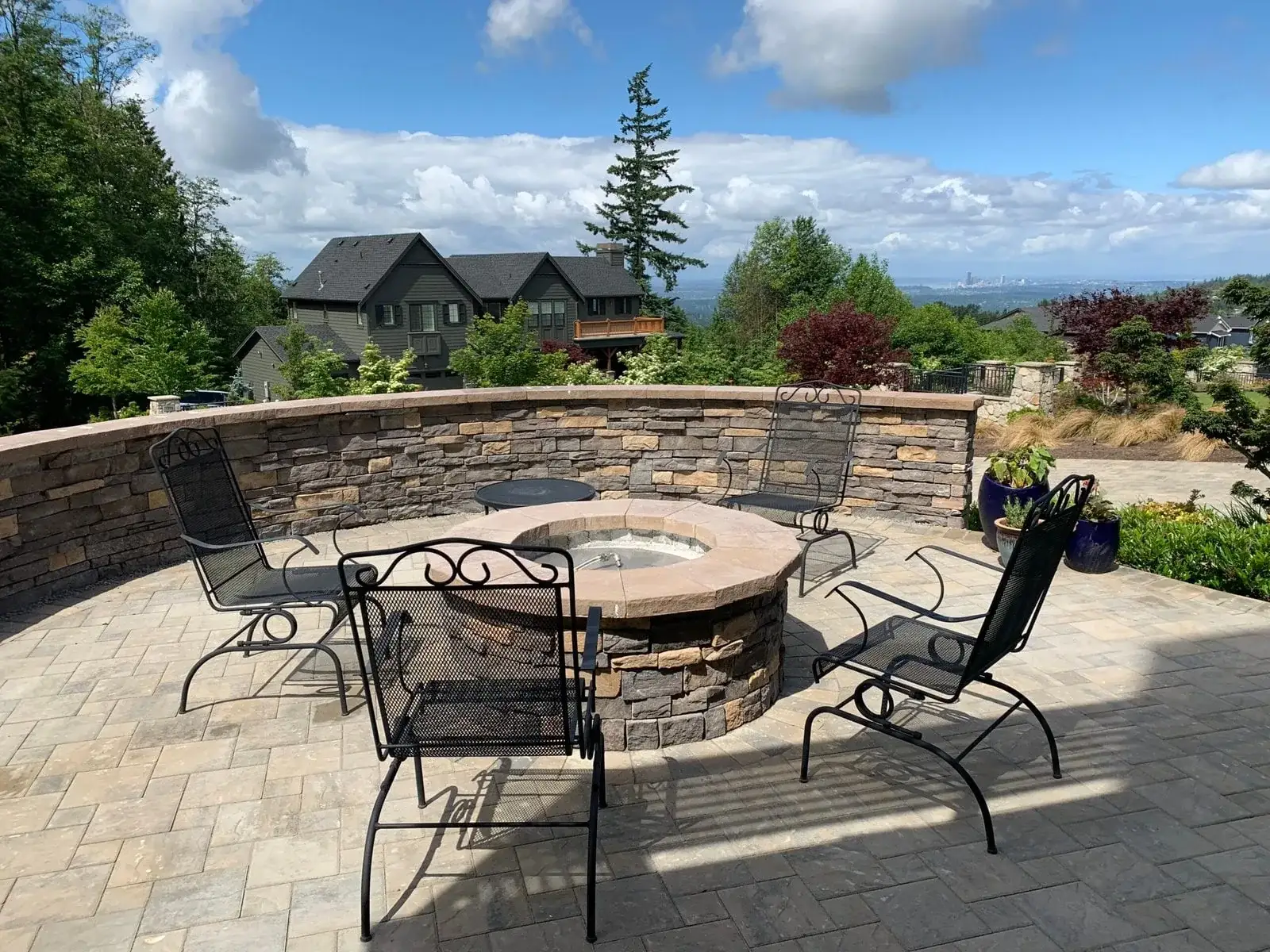
Raised planters and terrace
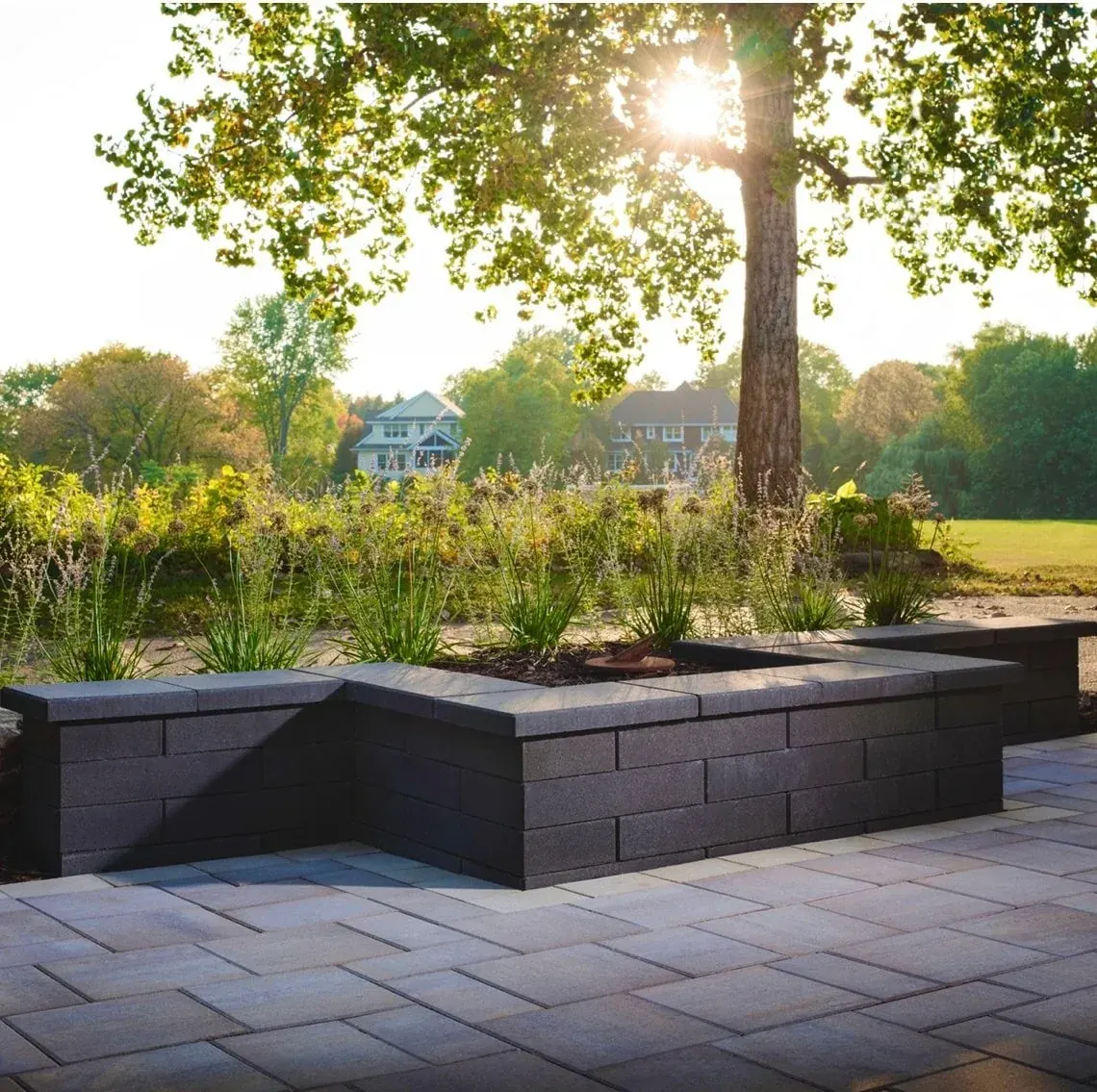
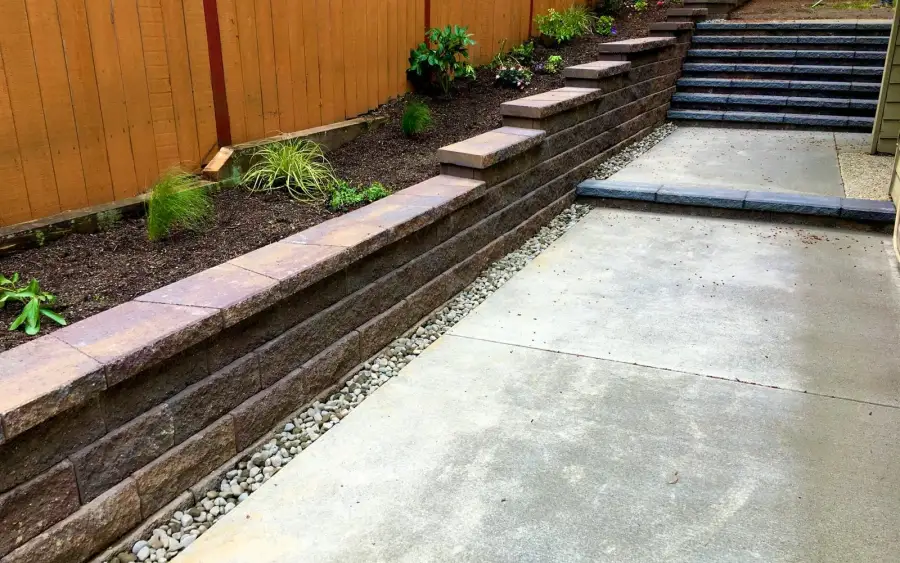
Charcoal block planters framing a stone terrace, photographed the evening it was finished.
No down payment. You pay when the project is finished.
Monday – Friday, 9:00 AM – 7:00 PM · Capitol Hill, Seattle
Service area
Newcastle is built into the western flank of Cougar Mountain, and the grade is the single fact that shapes every project here. Level ground has to be constructed rather than found, which makes terracing and retaining walls the starting point on most of these lots rather than an addition to them. The second factor is water coming down off the mountain above: on a hillside property a substantial share of what you are managing never landed on your lot, and intercepting it above the area you want to protect works far better than collecting it after it has arrived at the house.
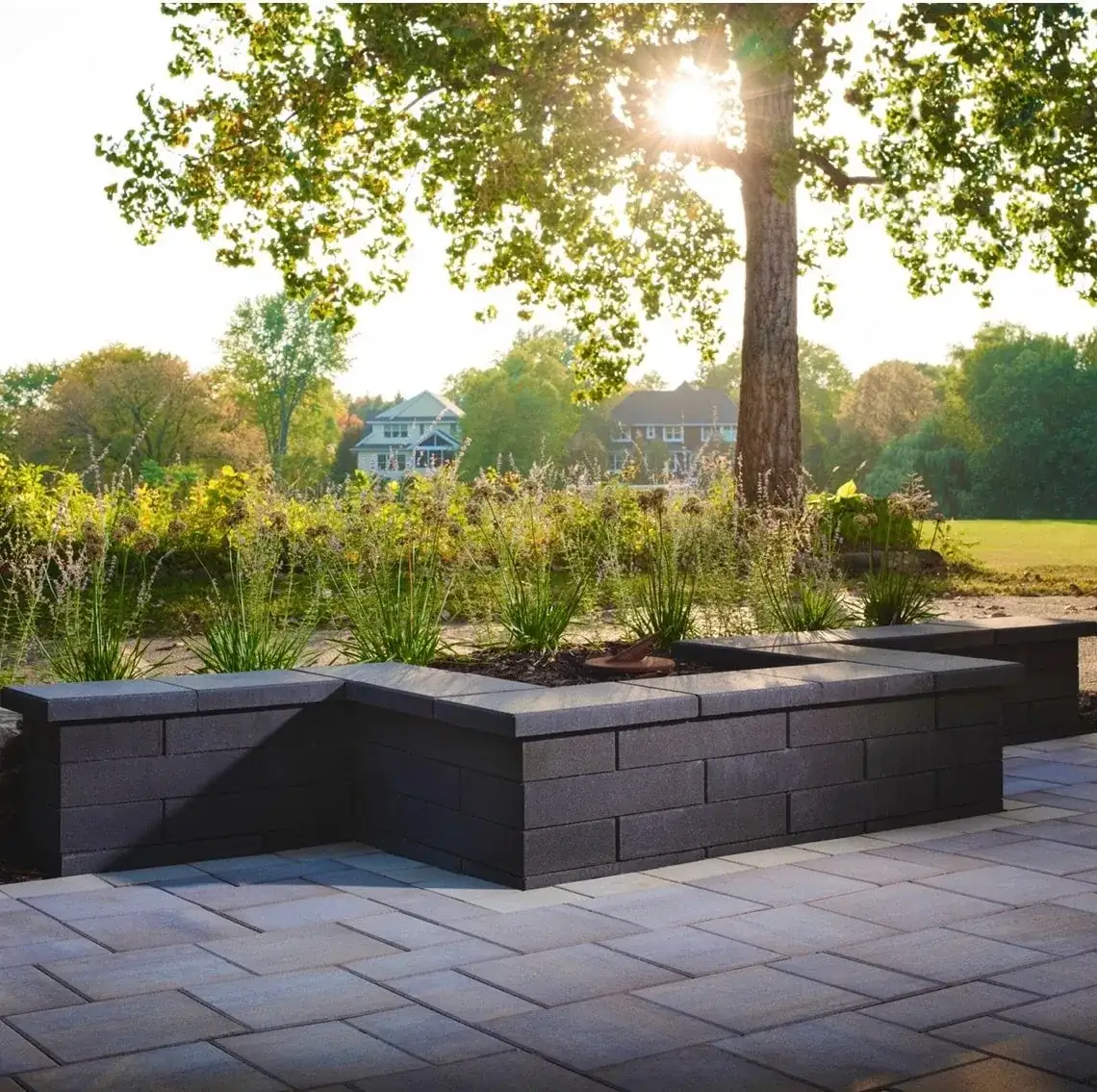
Charcoal block raised planters framing a stone terrace in evening light on a Newcastle property
What we plan around here
Newcastle is a hillside city, and almost every project starts with the same question: how much level ground do you actually need, and where is it going to come from? The fall on these lots is substantial enough that terracing is standard rather than a design flourish. Water arriving from the Cougar Mountain slope above is a real factor, and interception drainage is frequently more useful than collection. The area also has a documented coal mining history, which is worth being aware of as background rather than an assumption about any particular parcel.
What we build in Newcastle
Serving Newcastle and surrounding neighbourhoods
The city's central park around the small lake, on the flattest ground Newcastle has.
Three thousand acres immediately east, and the slope that most of Newcastle is built on the western flank of.
The course on the high ground, and the clearest marker of how much elevation this small city carries.
Newcastle Highlands · Lake Boren · China Creek · Olympus · Newport Hills edge · Coal Creek
98056 · 98059
Recent work
HardscapingView full sizeCharcoal block planters framing a stone terrace, photographed the evening it was finished.
 StoneworkView full size
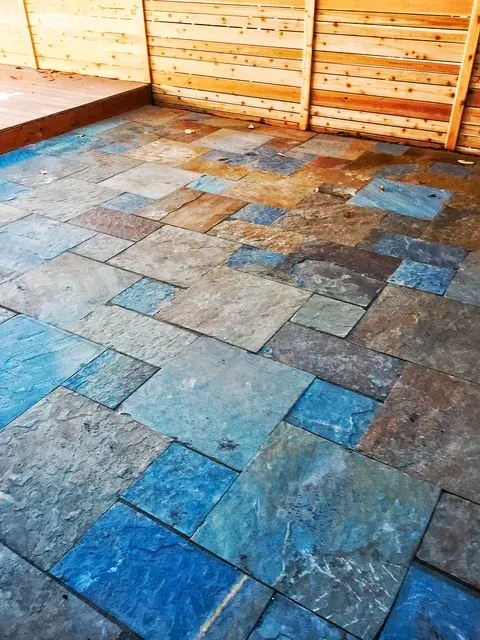
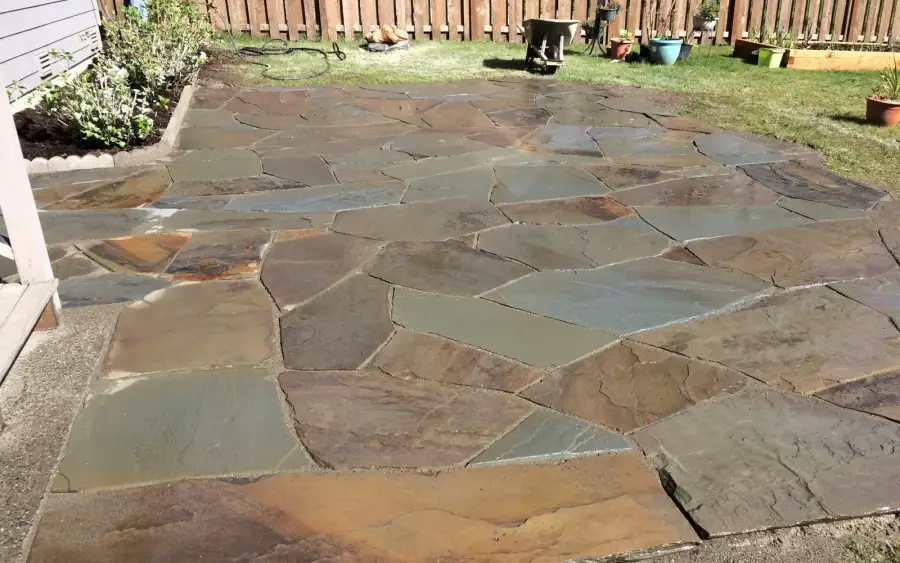
Blue and rust slate laid in a random pattern, enclosed by a new horizontal cedar screen.
 DeckingView full size
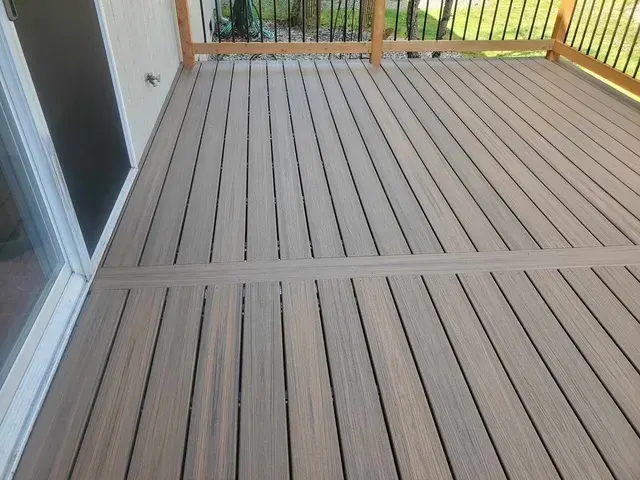
Variegated boards with a contrasting border run around the edge, so the deck reads as a finished floor rather than a set of planks stopping wherever the joists ran out.
Local questions
Something specific to your street? Call (425) 533-9734 — we would rather look at it than guess.
More than people expect, provided you accept it in pieces rather than one large platform. On a lot with fifteen or twenty feet of fall, building a single level terrace means either a very tall wall or a great deal of imported fill, and both are expensive and both consume the budget before anything visible is built. Two or three terraces stepping down the slope give more total usable area, need shorter and cheaper walls, and read better from the house. What that costs you is depth — each terrace uses horizontal distance — which on a shallow lot is the real constraint rather than the wall height.
Diverting it, in most cases, and this is the difference between hillside drainage and suburban drainage. On a Cougar Mountain flank lot, water moves downhill across a wide front through the wet months and your property is simply on its route — so a system designed to collect water after it has reached the house is fighting a volume it was never sized for. Interception is the better approach: cut the flow off above the area you are protecting and route it around, so the water never arrives. That usually means a drain positioned by the topography rather than by where the problem is visible.
It is worth being aware of as background rather than treating as a blanket assumption. Newcastle grew up around coal mining and there is documented historical activity in the area, which is one reason ground conditions here are worth establishing on a specific parcel rather than assumed from the neighbourhood. In practice, for garden-scale structures — walls, terraces, patios — what matters is what the excavation actually reveals about the ground you are building on, which we assess on site. If anything about a particular site suggests a question beyond ordinary landscape construction, we will say so rather than build over it.
In the newer hillside developments, generally yes. Newcastle Highlands, Olympus and several of the more recent subdivisions operate associations with architectural standards that typically reach fence height and style, hard surface materials and front-of-house appearance, and sometimes tree removal. Approval is usually straightforward but it has a lead time, and on a hillside lot where the retaining wall is the front-of-house feature, the material specification is exactly the kind of thing a board will look at. We ask at the first visit and produce specifications suitable for submission rather than working it out afterwards.
We come out, walk the property, look at the grade and the drainage, and put a written price together. No deposit, and it does not change once agreed.
Nearby
Rolling, with real elevation on Somerset, Cougar Mountain's western flank and Newport Hills, and low, flat, slow-draining ground through the Mercer Slough basin.
20–35 minutes from Capitol Hill via I-90
The steepest of our Eastside markets. Issaquah sits in a valley ringed by the Issaquah Alps — Cougar, Squak and Tiger Mountain — so a large share of properties are built into real grade.
30–45 minutes from Capitol Hill via I-90
A domed island — relatively level across the crown through Island Crest, then falling away to the shoreline on every side, steeply in places.
15–25 minutes from Capitol Hill via I-90
A broad elevated plateau. Gently rolling across most of it rather than steep, with real fall only at the plateau edges dropping toward Lake Sammamish and Issaquah.
35–50 minutes from Capitol Hill via I-90
Two ridges with a valley between them. Beacon Hill and the Mount Baker/Seward Park side both fall hard toward the water; the Rainier Valley floor between them is flat and drains slowly.
10–20 minutes from Capitol Hill
Free estimate
25–40 minutes from Capitol Hill via I-90 from our Capitol Hill base. Three minutes on the form and we will come out and look at it properly.
Or call (425) 533-9734
Thank you — we have your details. We reply during office hours, Monday – Friday, 9:00 AM – 7:00 PM. If it is urgent, call (425) 533-9734.