Skip to content

Service

Paver Installation in Seattle

Almost every failed paver job in this city failed underneath. The units are concrete or stone and effectively permanent; what moves is the ground they were set on. Seattle makes that harder than most places for two reasons that compound. Glacial till sits under most of these neighbourhoods, and till is hardpan — it perches water rather than letting it away, so a base that is not free-draining becomes a saturated sponge every October. And the region takes thirty-eight inches of rain concentrated into six months, so whatever the base is going to do, it does it quickly. A paver installation here is a drainage detail with a decorative surface on top, and the surface is the cheap part.

Typical range
$18–$40 per square foot installed
Best season
A longer window than anything poured, because nothing here cures — pavers can be laid in cool weather and walked on the same day.
Payment
No deposit — you pay when the project is finished

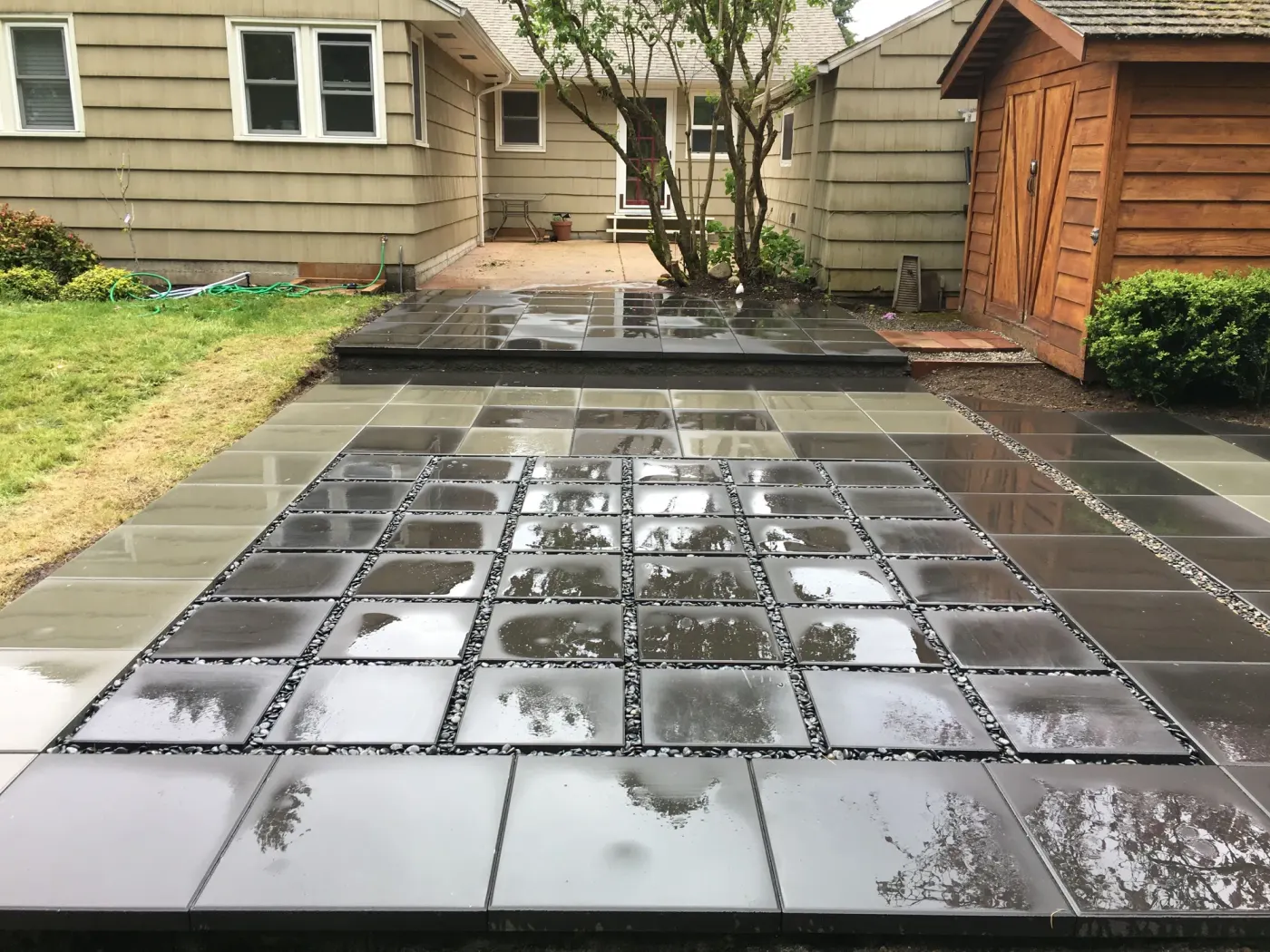
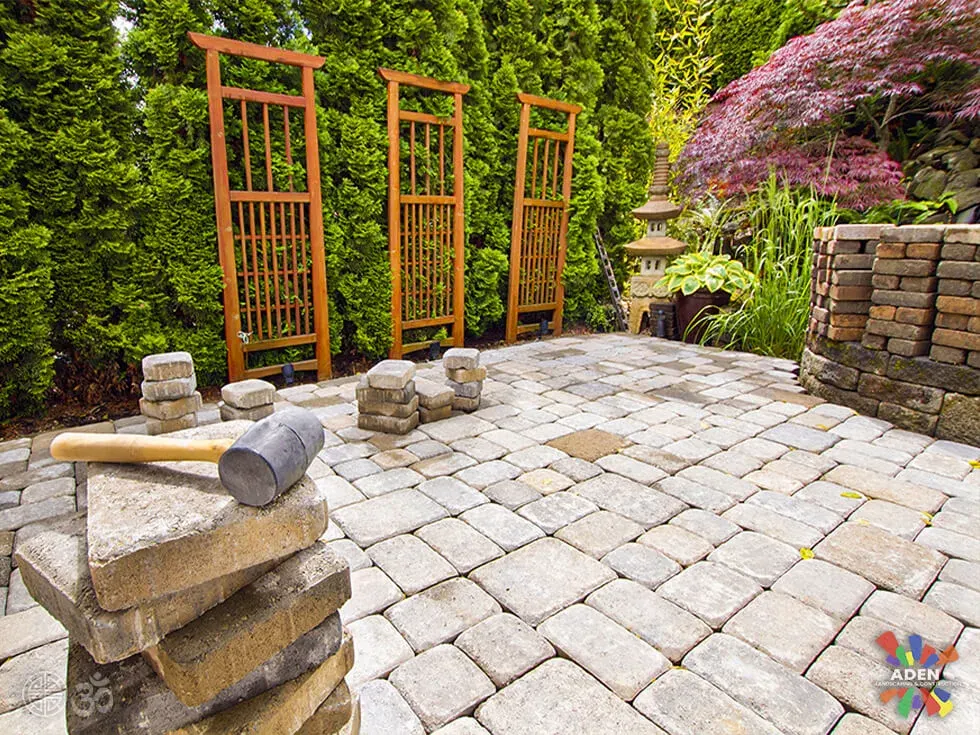
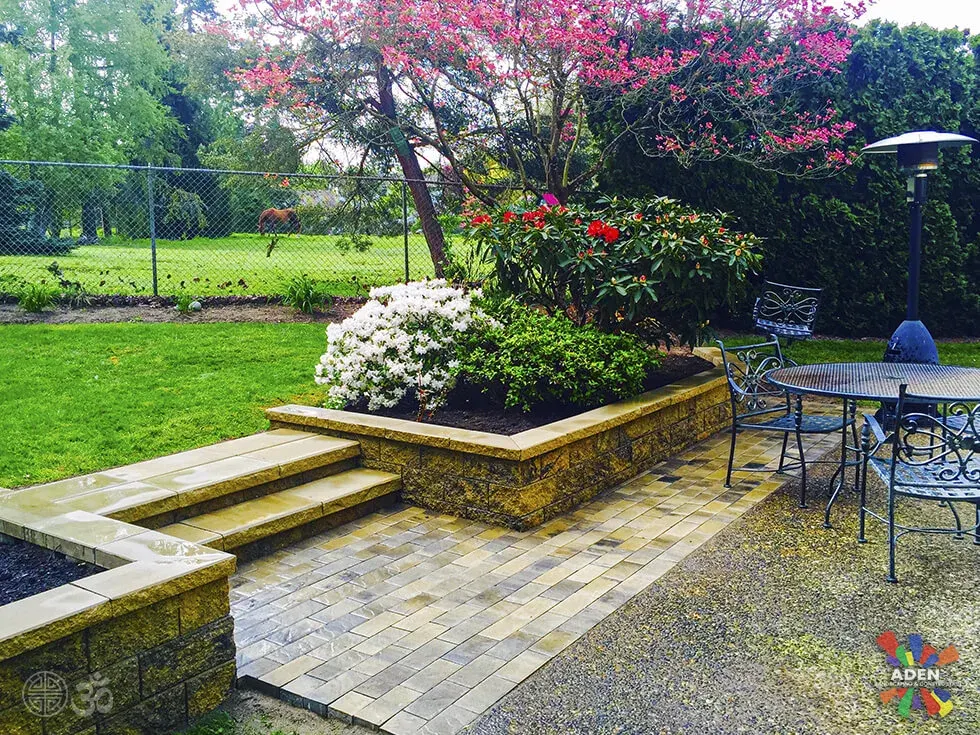
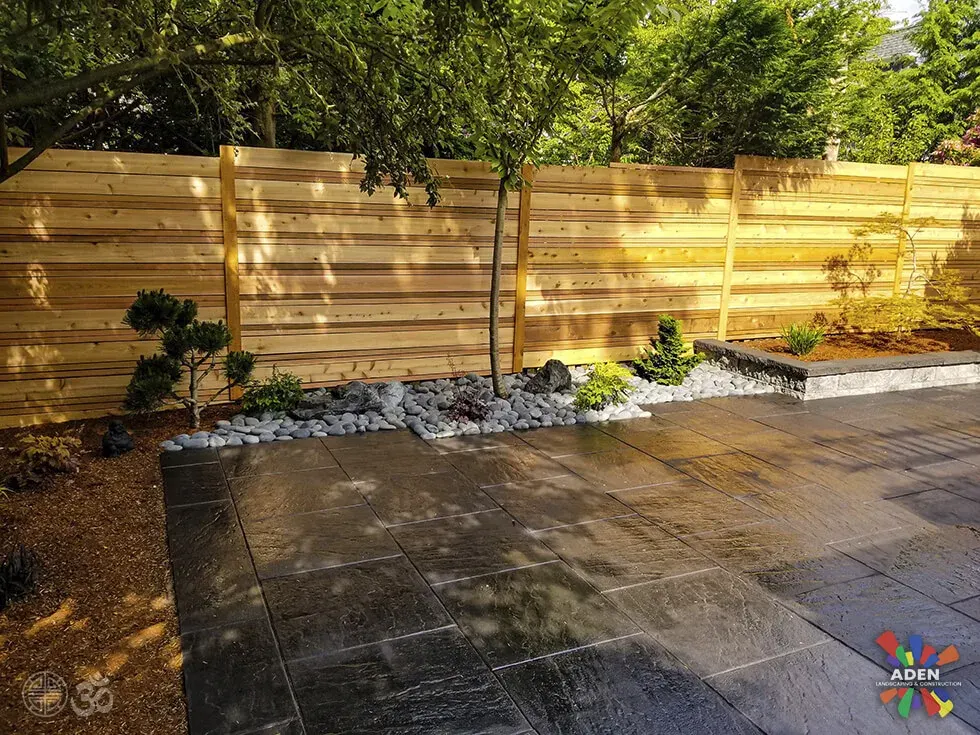
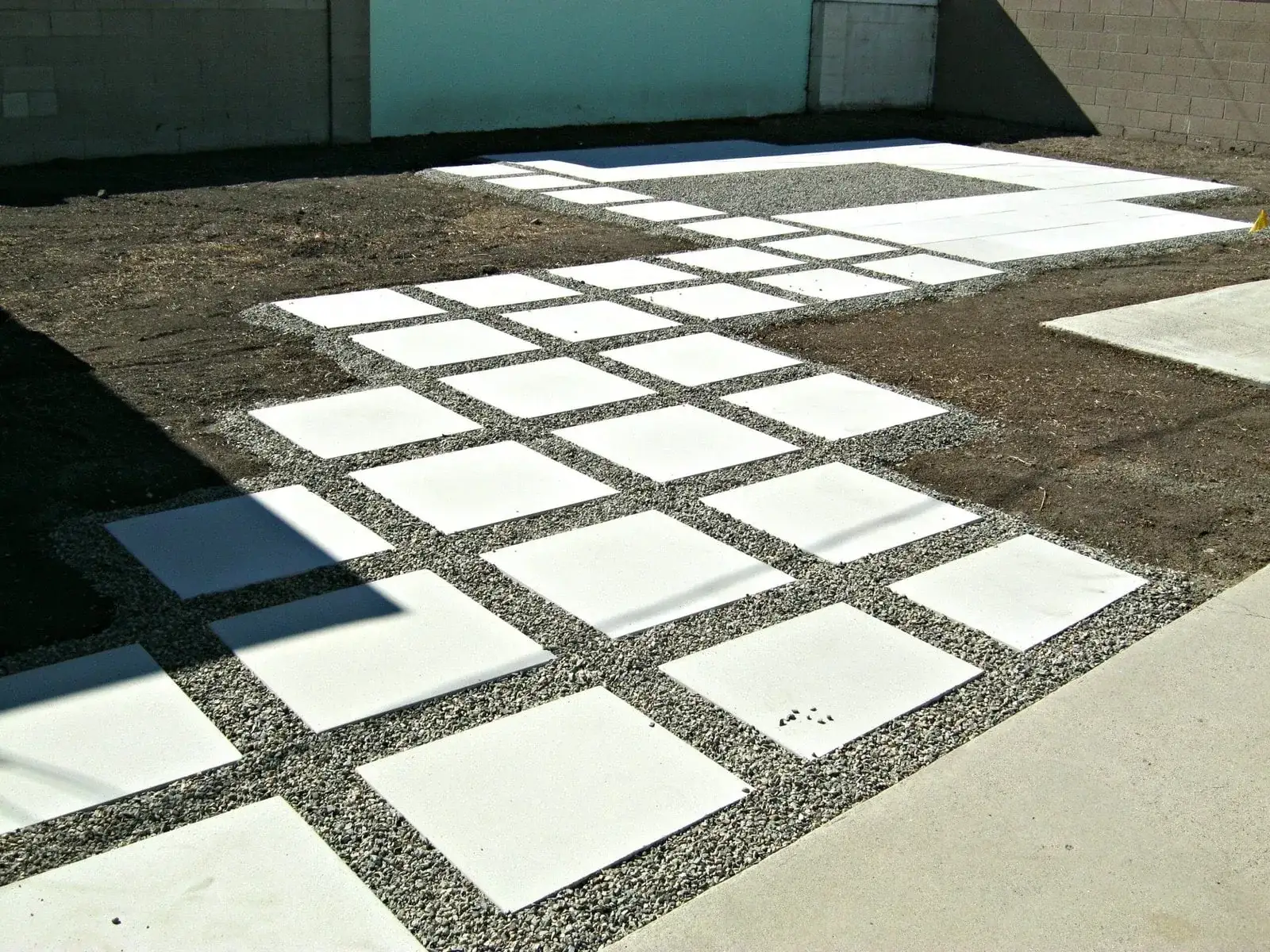
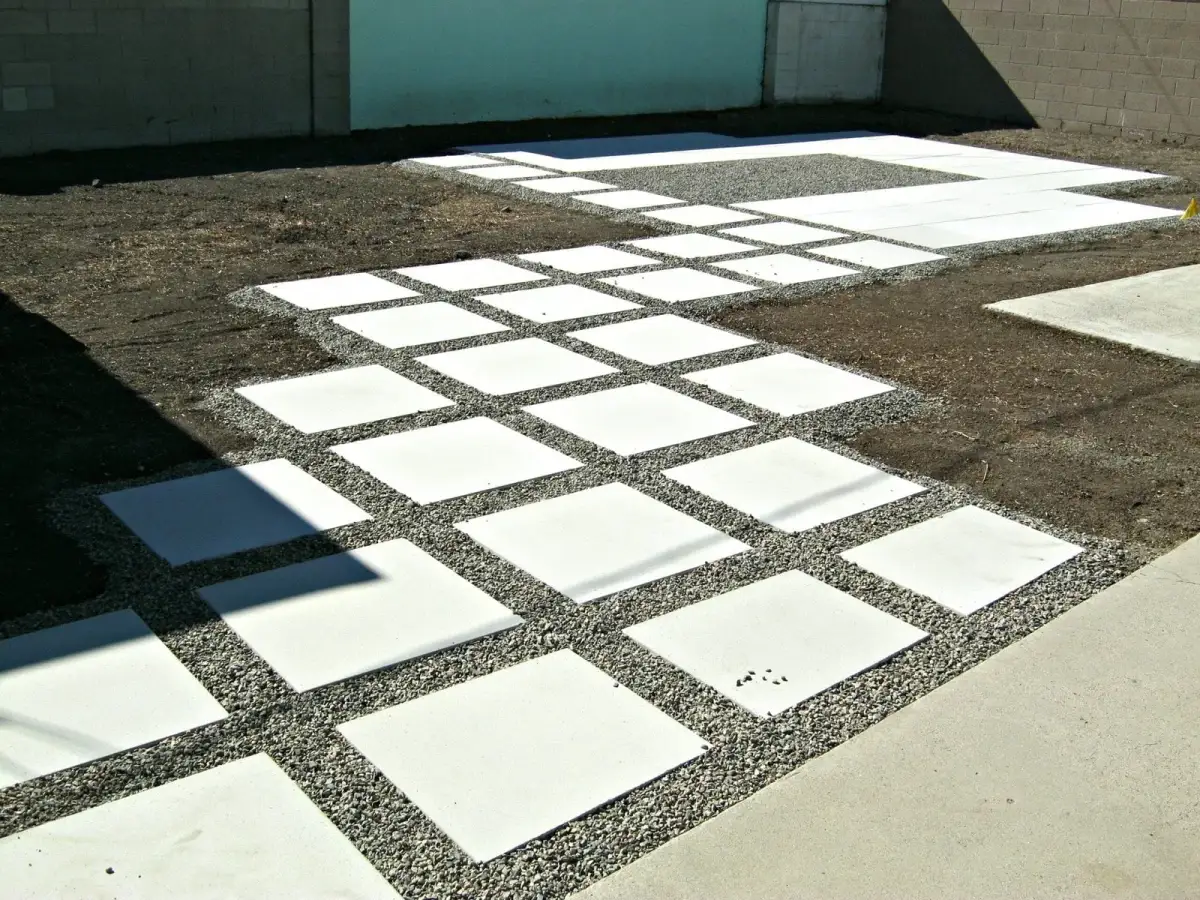
Large-format concrete pavers laid tight into a modern garden with a clean restrained edge

What is included

The half nobody sees decides the half you do.

Pavers set on a base built for this ground and this rainfall.

  • Excavation to the depth the use requires

    A footpath, a patio and a driveway are three different excavations. Undersized digging is the most common corner cut in this trade precisely because it becomes invisible the moment the surface goes on.

  • Base built in compacted lifts

    Crushed rock laid and compacted in layers rather than dumped and rolled once. Each lift is compacted before the next goes on, because a thick loose layer only ever densifies at the top.

  • Geotextile where the subgrade needs it

    A separation fabric between soft subgrade and clean rock stops the two mixing over time. On a wet till lot that migration is what turns a good base into a bad one over five winters.

  • Bedding, laying and cutting

    A screeded bedding course at a consistent depth, units laid to the pattern, and perimeter cuts made with a saw rather than split — cut edges are what close-range quality is judged on.

  • Edge restraint and jointing

    Restrained edges stop the field creeping outward under load. Polymeric joint sand locks the units together, sheds water and gives weeds far less to root into than plain sand.

  • Permeable systems where they earn their place

    Open-graded base and permeable joints take rainfall through the surface instead of routing it somewhere. On a lot with nowhere good to discharge, that is occasionally the only honest answer.

Why people call us

The problems this actually fixes.

  • Pavers sunk into wheel tracks, or a dip in a patio that holds water
  • Joints growing moss and weeds every spring whatever gets put on them
  • A patio edge that has spread outward and opened gaps across the field
  • Units rocking underfoot where bedding sand has washed out beneath them
  • A white bloom across a surface that was laid two seasons ago
  • A relaid section that never quite matched the level of the original
  • A new surface running water toward the house instead of away from it

How we build it

6 stages, and the visible one is last.

Large-format concrete pavers laid tight into a modern garden with a clean restrained edge

Seasonality. A longer window than anything poured, because nothing here cures — pavers can be laid in cool weather and walked on the same day. What actually constrains the season is compaction: saturated subgrade will not compact, so the wettest weeks stop the base going in even when the laying would be fine. March to October is comfortable; the shoulder months depend on the fortnight rather than the month.

  1. 01

    Read the ground before pricing the surface

    What the subgrade is, how wet it gets, and where water currently goes. On a till lot those three answers change the build more than the choice of paver does.

  2. 02

    Set levels and falls first

    Every surface gets a fall, including the ones that look flat. Where water leaves is decided before a shovel moves, not adjusted at the end once the levels no longer allow it.

  3. 03

    Excavate and compact the subgrade

    Down to competent ground, then compacted before any rock goes in. A good base built on an uncompacted subgrade just moves the failure one layer down.

  4. 04

    Build the base in lifts

    Layer by layer to the specified depth, with a plate or roller sized for the job rather than whatever is on the van. This stage decides whether the surface is still flat in ten years.

  5. 05

    Screed, lay, cut and restrain

    Bedding course screeded to depth, units laid off a string line, perimeter saw-cut, and edge restraint fixed before any joint is filled.

  6. 06

    Joint, compact and wash down

    Polymeric sand swept in, the field compacted to seat the units, then the whole area washed off — the last step is the one a rushed crew skips.

What it costs

$18–$40 per square foot installed

The unit price is a small part of that spread. What moves a paver quote here is depth of excavation, how much spoil has to be carted away, whether the subgrade needs geotextile, and access — a back garden reached through a side gate is hand-barrowed, and that is labour rather than material. Permeable systems sit at the top because the base is deeper and the aggregate is specified rather than ordinary crushed rock. Vehicle-rated work costs more again for the same visible square footage.

That is a market range, not a quote. Your price is fixed in writing after we have seen the site, and it does not move once agreed.

  • No down payment

    No deposit is required to start. Payment comes after the work is finished — not before.

  • Fixed price, agreed up front

    A fixed, accurate price is guaranteed before the job starts. We do not quote low and raise it mid-project.

  • 0% interest for up to 6 months

    A 0% interest payment plan is available for up to 6 months.

  • Warranty on hardscaping

    Hardscaping work carries a warranty. Vegetation is excluded.

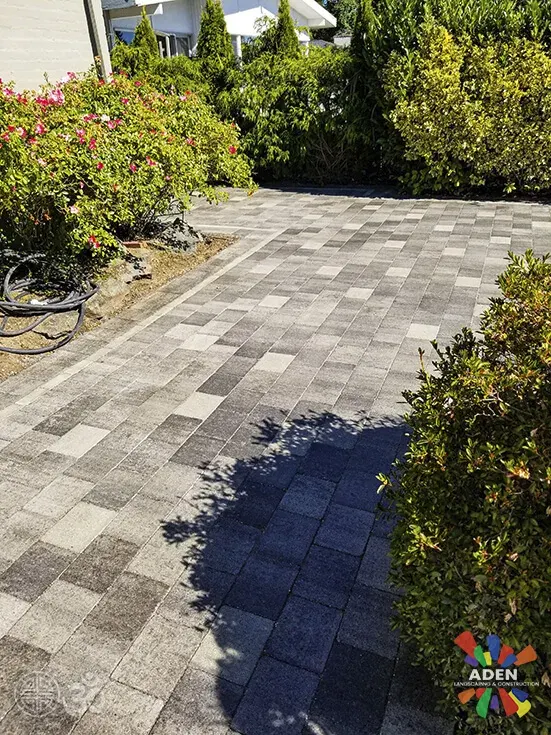
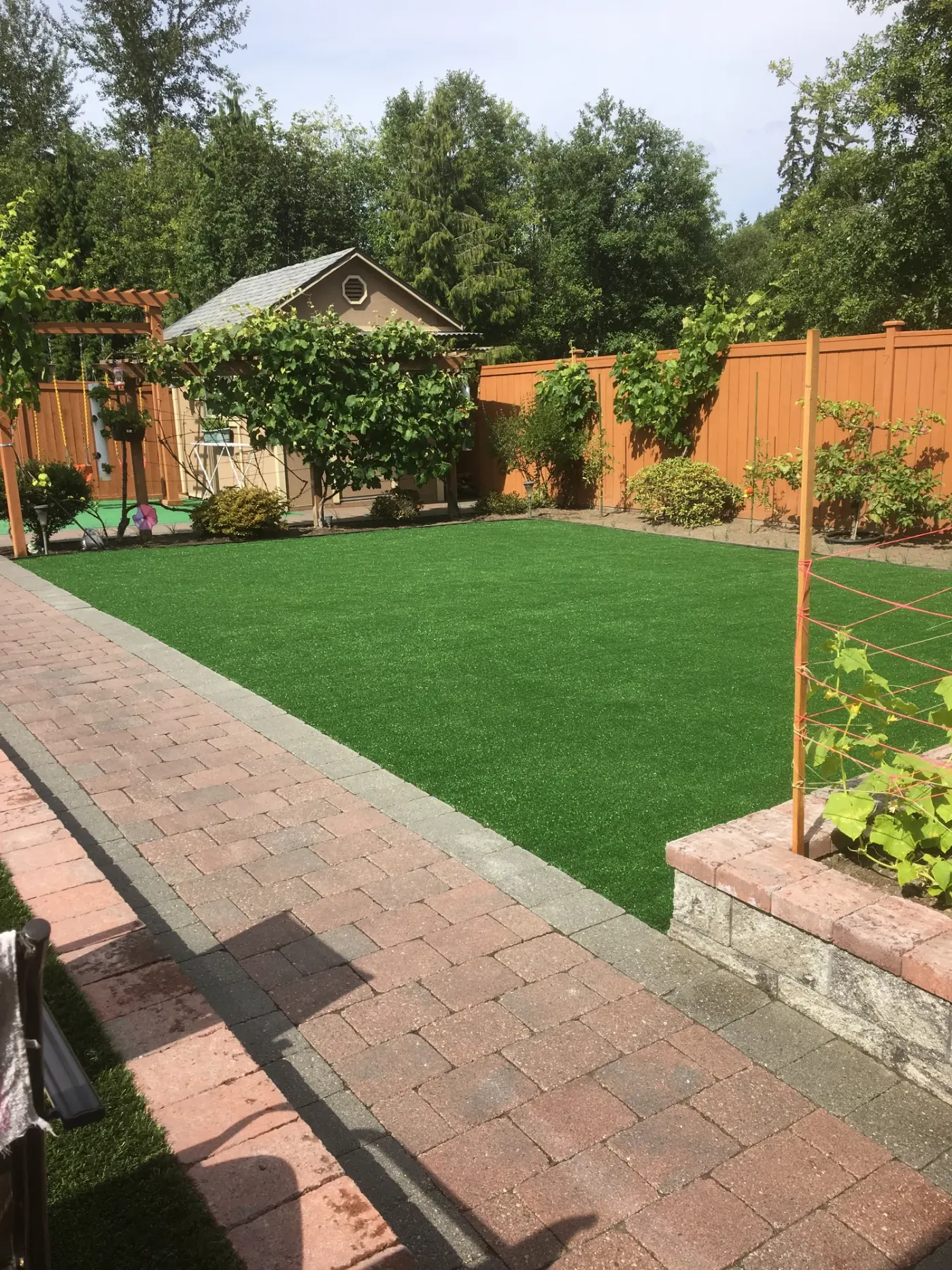
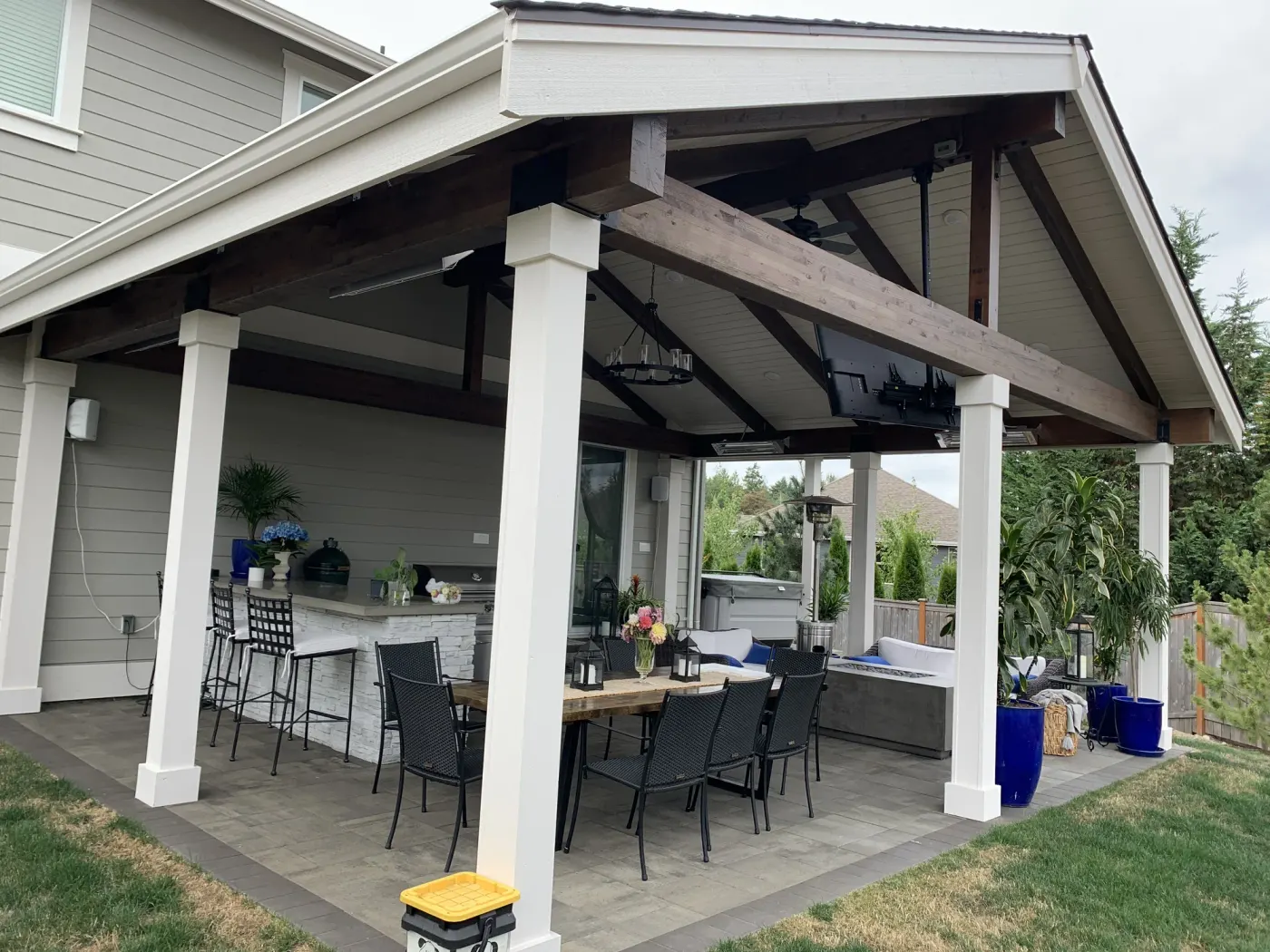
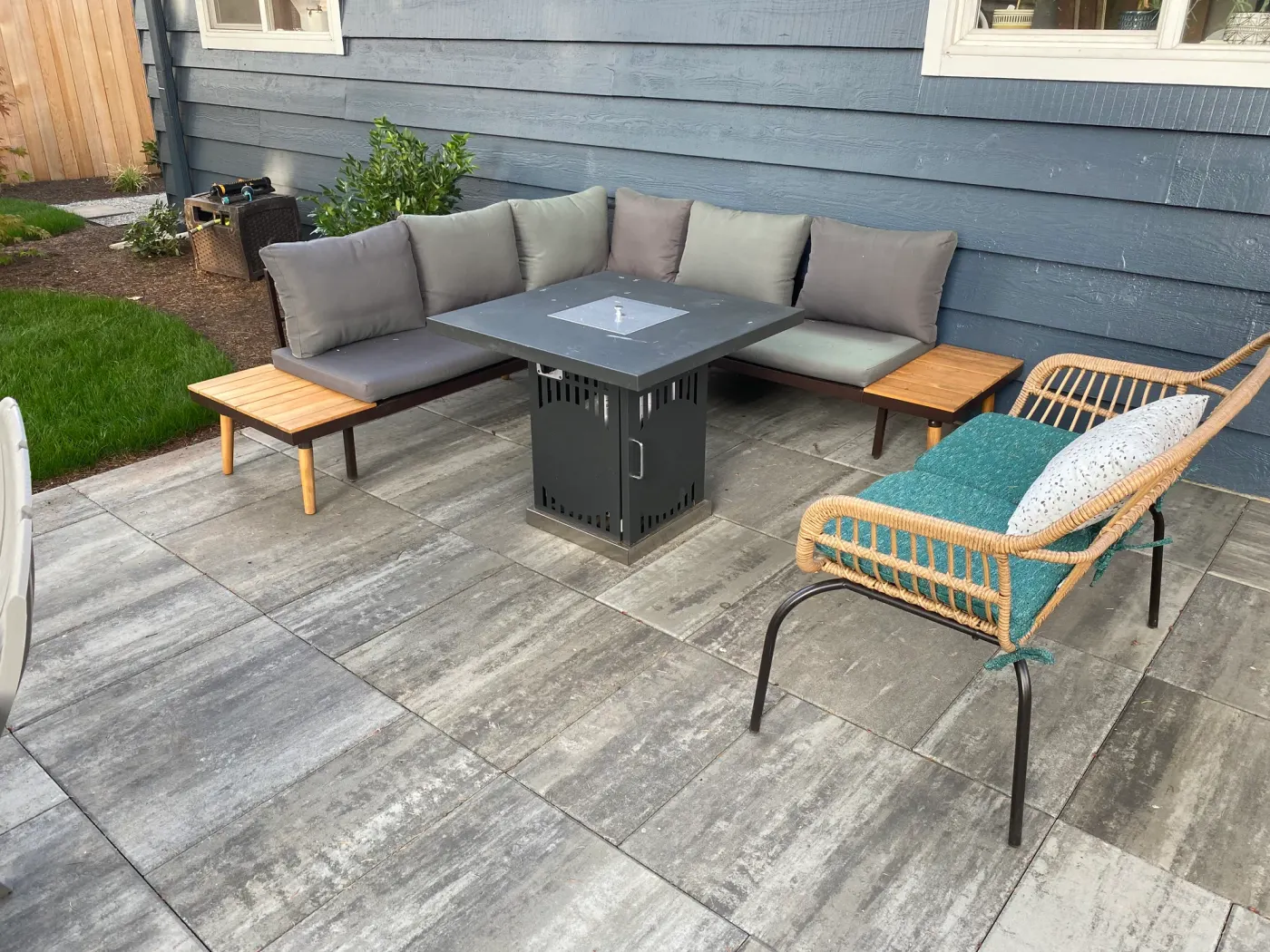
Paver Installation we have built

22 of ours, photographed on site.

In their words

What customers said about our paver installation work

Real Google reviews, unedited. We publish the ones that name the work rather than a generic five stars.

Denis Soltan

May 2026

Alex and Aden Landscaping did an amazing job on our patio made of pavers. Fast, professional, and high quality work. Much cheaper than system pavers quote I got earlier.
Paver patio

Andrew Chung

July 2019

I worked with Alex. Upfront, honest and very transparent about the work we requested. As an overview, this is what we requested and had done.
Paver patio & tree removal

Before you call

Paver Installation questions we get asked.

Something not answered here? Call (425) 533-9734 and ask — we would rather talk it through than have you guess.

Why did my pavers sink when my neighbour’s did not?

Almost always base depth or compaction, and occasionally water moving underneath. A surface that has dipped in one area rather than settling evenly is telling you the base there was shallower, less compacted, or is being washed out from below. The units are not the problem and replacing them changes nothing. The diagnostic is to lift a small area and look: depth of clean rock, whether it is still clean or has mud worked through it, and whether the subgrade below is wet. That takes an hour and is worth doing before anybody quotes a repair, because the fix for a shallow base and the fix for a drainage problem are entirely different jobs.

Do I actually need permeable pavers?

Need is a strong word, but there are Seattle lots where they are the sensible answer rather than the fashionable one. A permeable system takes rainfall through the joints into an open-graded reservoir base and lets it soak away, instead of producing runoff you then have to route somewhere. That matters most when the honest answer to "where does the water go" is "nowhere good" — a flat lot with no daylight point, or a property where another impermeable surface would push water toward a neighbour. They cost more, the base is deeper, and they need occasional vacuuming to stay open. On a lot with a straightforward discharge route, a conventional build with proper falls is better value.

Can you relay my existing pavers rather than replacing them?

Frequently, and it is often the best value on the table. Concrete and clay units are extremely durable, so where a surface has settled or heaved the units are usually fine and the base is the problem. Lifting them, rebuilding the base properly and relaying the same pavers costs meaningfully less than new material and leaves you with a surface that behaves like a new one. The two things that rule it out are units that are genuinely spalling, and a colour you would not be happy to keep. We will tell you which situation you are in before quoting, because there is no sense selling new pavers to solve a base problem.

What is the white haze on my new paving?

Efflorescence, and it is part of concrete curing rather than a defect or a sign of a bad install. Soluble salts inside the units migrate to the surface as moisture leaves and deposit there as a pale bloom. It shows most on darker colours and in the first year, and in most cases it weathers off on its own as rain gradually washes the salts out. It can be removed sooner with a proprietary cleaner, though doing that too early simply allows more to come through afterwards. What it is not is a stain in the surface — it sits on top of it.

How long does a paver installation take?

Less time than people expect for the visible half and more for the invisible one. On a typical residential patio, excavation and base building take the majority of the schedule and laying the units is a fraction of it — which surprises people, because laying is the only part that looks like progress. Access changes the number more than area does: a job a machine can reach moves several times faster than the same square footage barrowed through a side gate. We give a day count in the written estimate rather than a rule of thumb, and it accounts for how material actually reaches the back of your property.

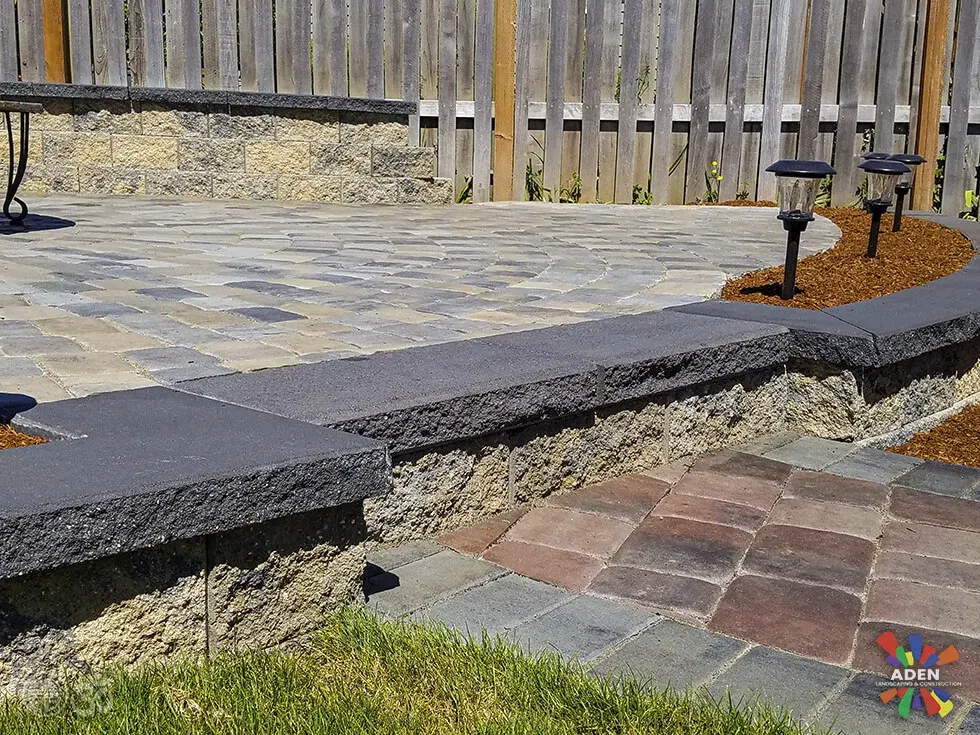
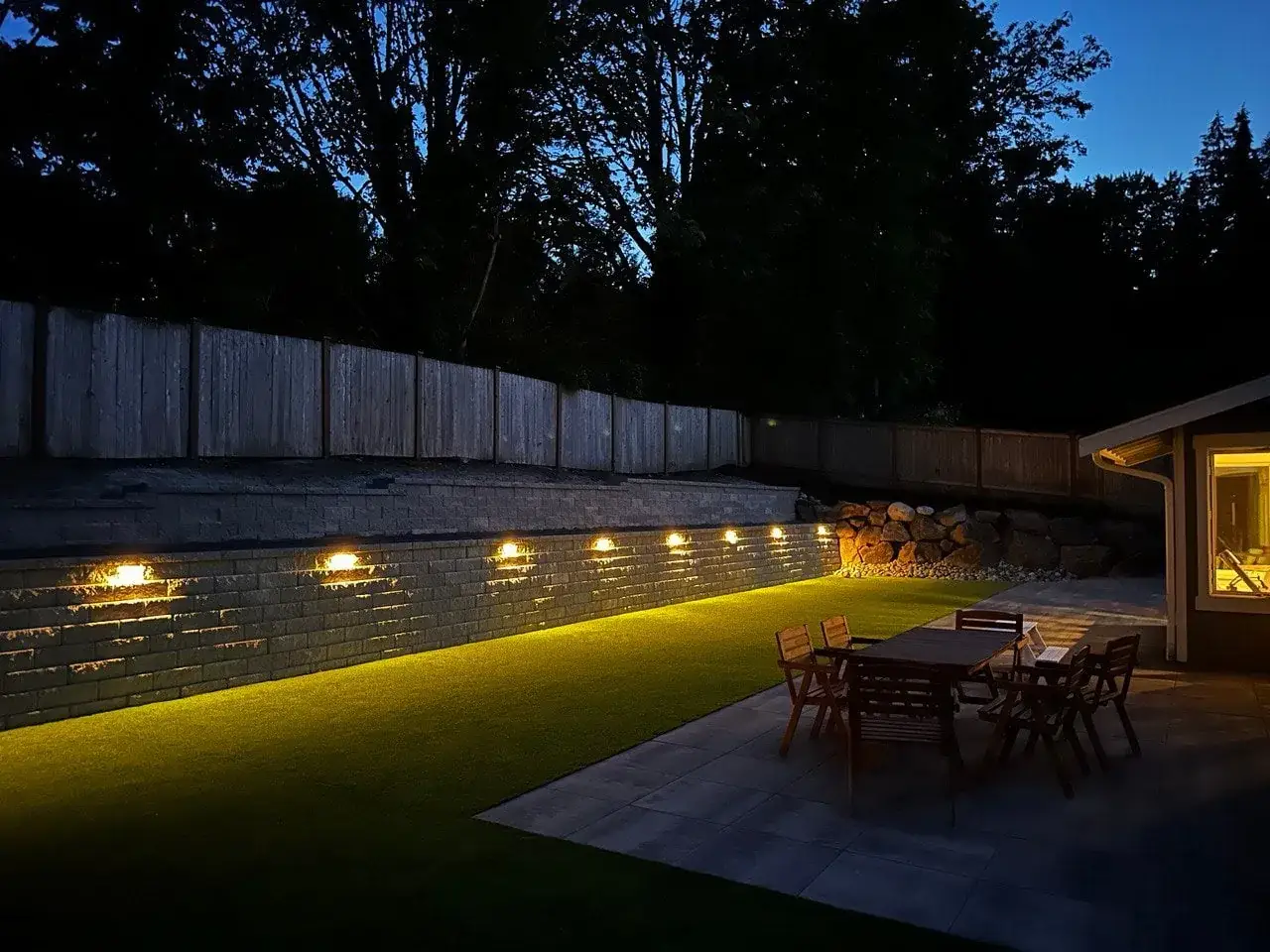
Landscape lighting washing a retaining wall above a lit patio at dusk

Get a paver installation estimate.

We come out, look at the site properly, and put a fixed written price together. No deposit, and nothing changes once the price is agreed.

Usually done alongside

What tends to go with paver installation.

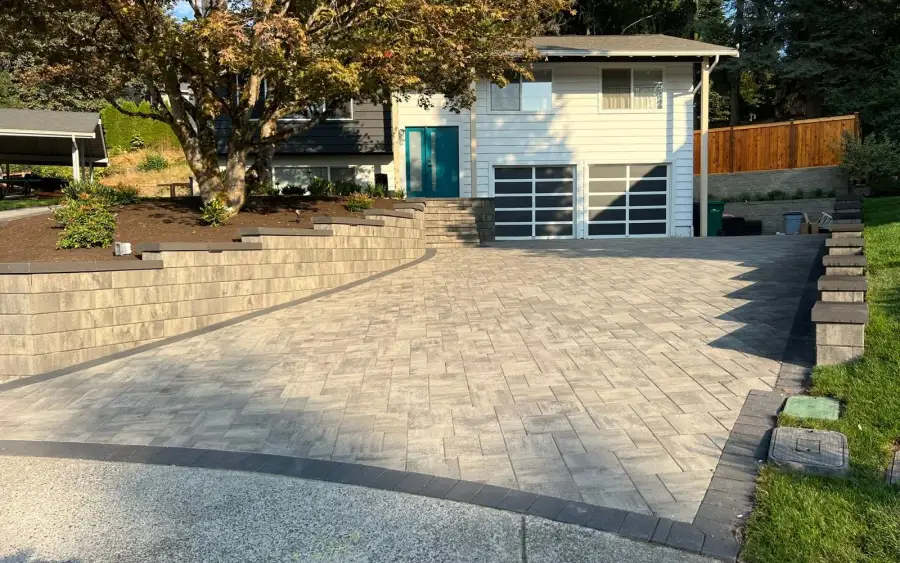
Wide paver driveway and turning apron in front of a garage on a mature Seattle-area lot

Driveway Paving

A driveway that carries the weight and sheds the water.

  • Paver driveways
  • Poured concrete
  • Asphalt

$12–$32 per square foot installed

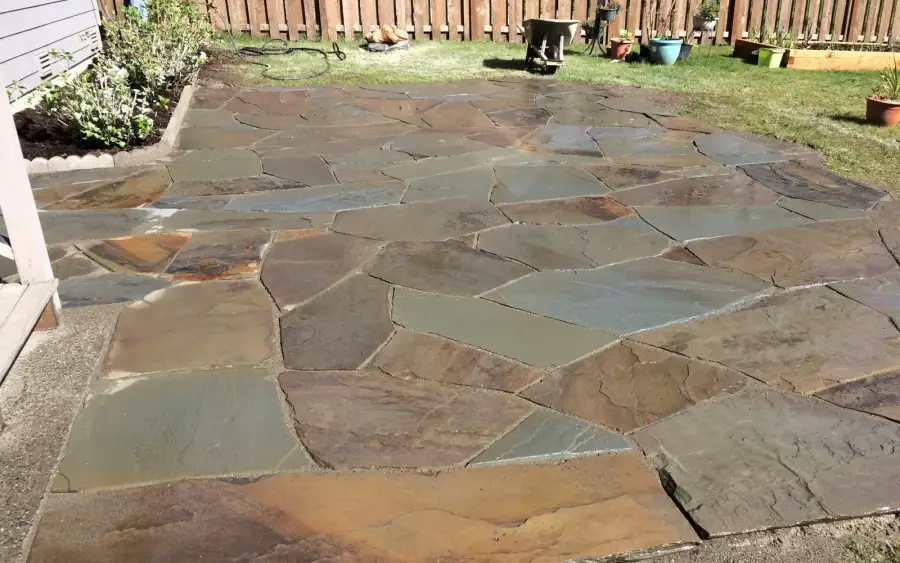
Hand-fitted natural flagstone patio in a fenced back garden

Paver Patios

A patio you can actually use nine months of the year.

  • Pavers
  • Poured concrete
  • Flagstone

$20–$50 per square foot installed

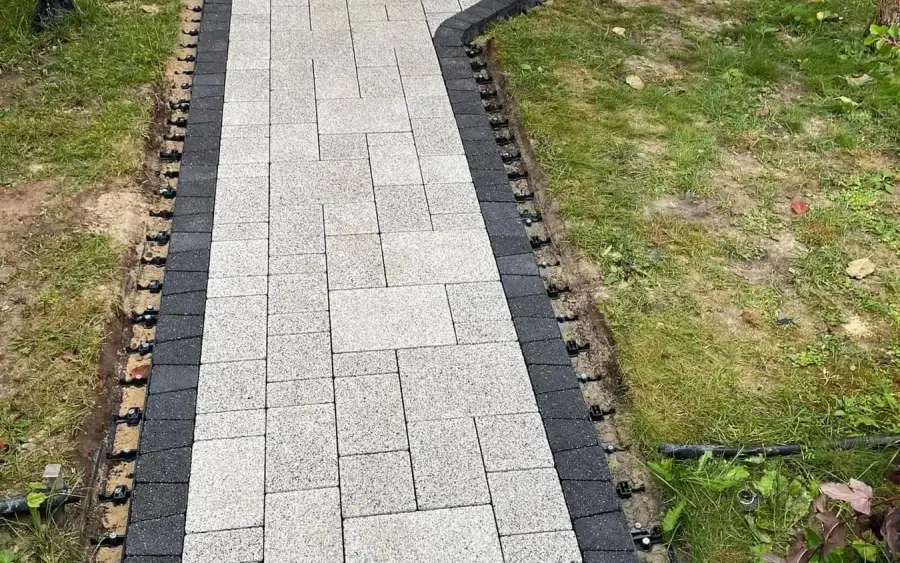
Light grey paver walkway with a charcoal border course under installation, edge restraint pinned along both sides

Pathways & Walkways

Get from the street to the door, and around the house, without mud.

  • Paver walkways
  • Flagstone paths
  • Stepping stones

$18–$45 per square foot installed

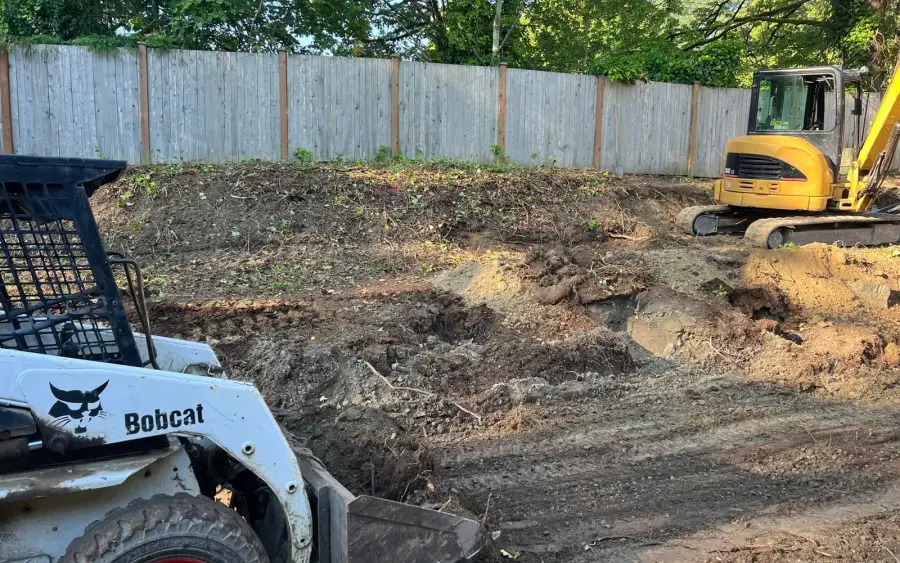
Excavator regrading a yard for drainage before landscape construction

Drainage & French Drains

A yard that drains through a Seattle winter instead of holding it.

  • French drains
  • Catch basins
  • Regrading for runoff

$10–$25 per linear foot

All 17 services →

Free estimate

Tell us about the project.

Three minutes on the form. We reply during office hours — Monday – Friday, 9:00 AM – 7:00 PM.

Or call (425) 533-9734

Takes under a minute. No deposit is required to book work — you pay when the project is finished. Prefer to talk? Call (425) 533-9734

Call NowFree Estimate