
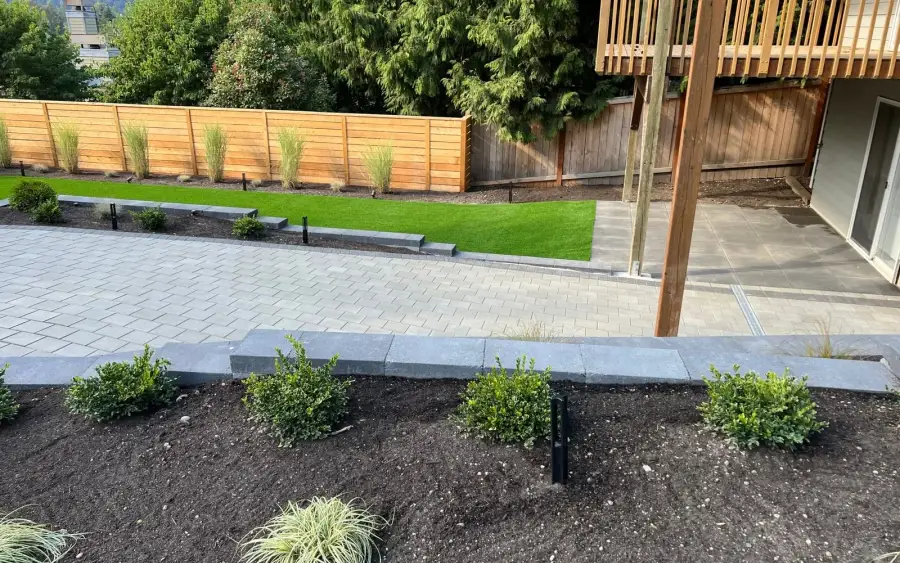
Landscape Design & Installation
A yard designed as one thing, not six jobs stitched together.
- Custom design plans
- Planting & beds
- Full yard renovation
$8,000–$70,000 for a full design and installation
No down payment. You pay when the project is finished.
Monday – Friday, 9:00 AM – 7:00 PM · Capitol Hill, Seattle
What we build
Fifteen services, all built by our own crews. Most yards need four or five of them at once — the wall holds the grade, the drainage takes the water away, the paving gives you the surface, and planting and lighting finish it. Doing them as one project rather than four is both cheaper and the only way the buried work ends up in the right order.
These carry detailed local pages for the twelve areas with the most demand, because the ground and the rules genuinely differ between them.
A yard designed as one thing, not six jobs stitched together.
$8,000–$70,000 for a full design and installation
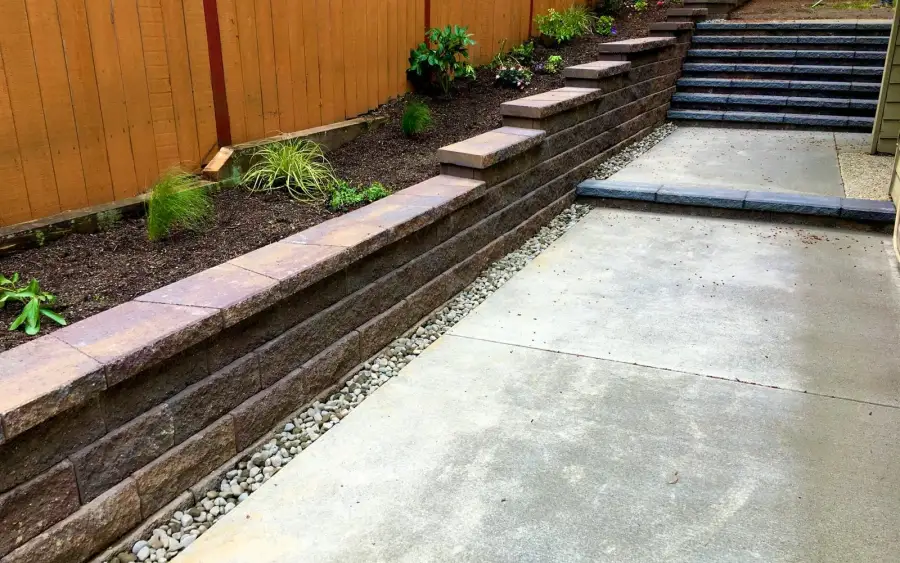
Turn an unusable bank into flat, usable ground.
$5–$45 per square foot of wall face
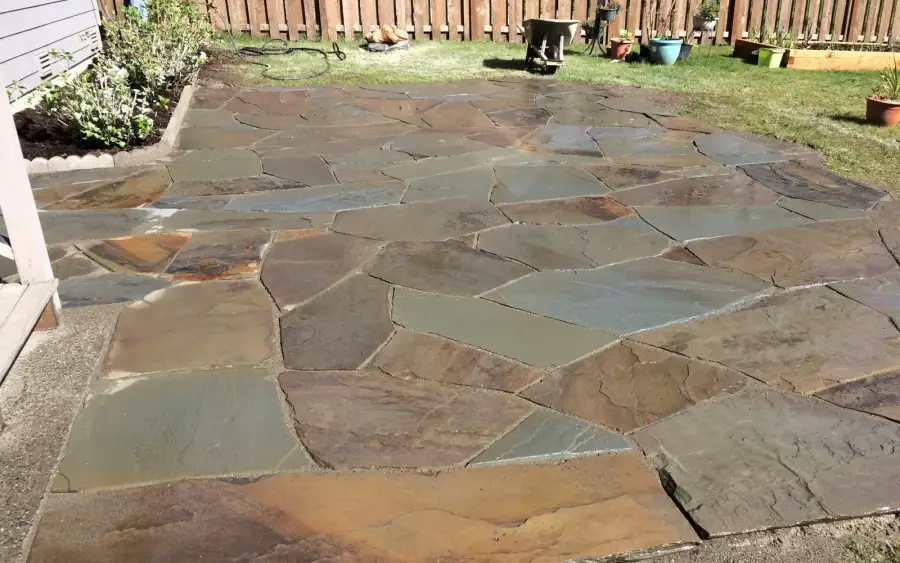
A patio you can actually use nine months of the year.
$20–$50 per square foot installed
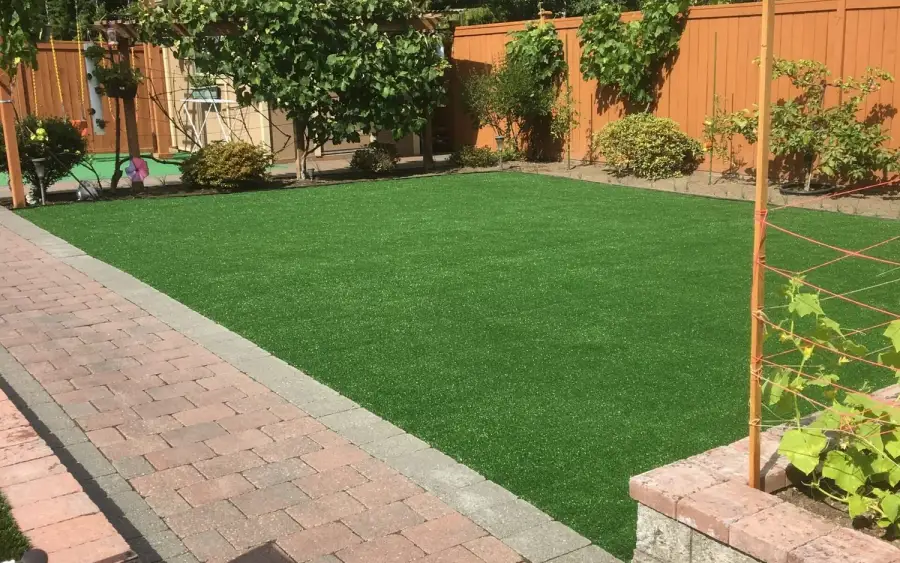
A lawn that survives a Seattle winter and a dog at the same time.
$13–$24 per square foot installed
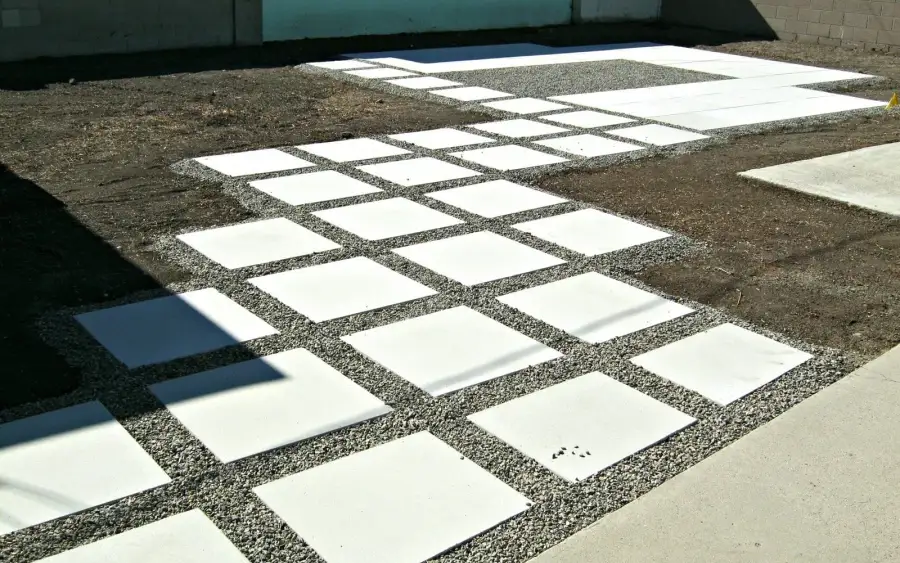
Pavers set on a base built for this ground and this rainfall.
$18–$40 per square foot installed
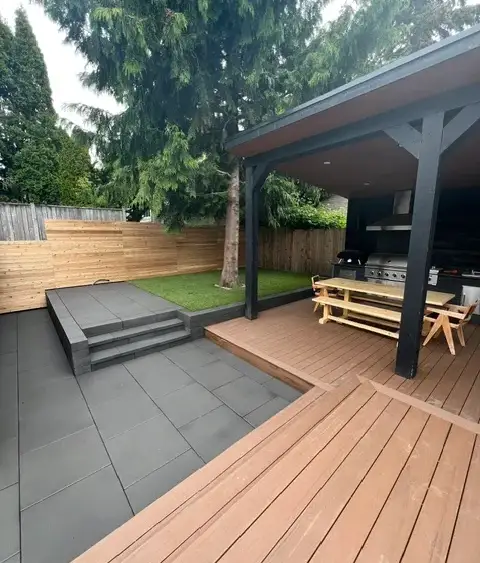
A deck whose substructure outlives the boards on top of it.
$35–$90 per square foot installed
Every one of these is work we do with our own crews and equipment — they sit in this section because they are usually part of a larger project rather than the reason someone calls.
The garden exists after 4pm too.
Big trees, handled properly.
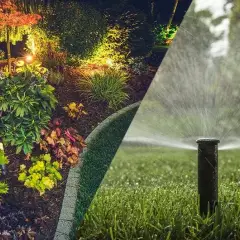
Seattle summers are drier than the reputation.
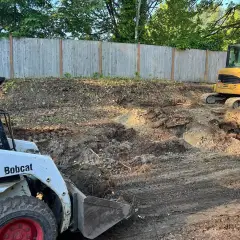
Stop the standing water.
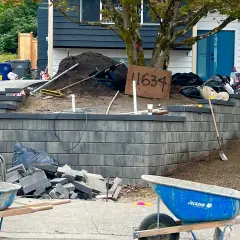
The stage everything else stands on.
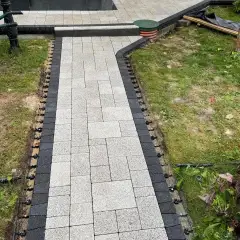
A proper route through the property.
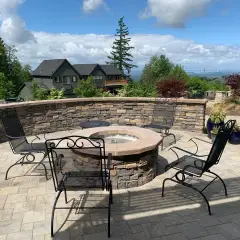
The reason people stay outside after eight.
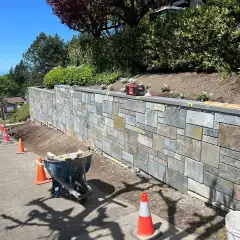
Stonework that outlasts everything around it.
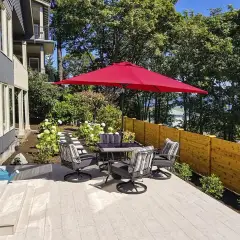
One contractor for the whole community.
HOAs, condominiums & master associations. Aden also works as a full-service landscape management contractor for multi-unit communities — common-area maintenance, hardscape repair and capital improvement work.
Choosing between them
Questions about a specific service live on its own page. These are about combining them.
That is how most of our work actually runs. A typical whole-yard project touches four or five of these services — clearing, drainage, a wall, a surface, then planting and lighting — and doing them as one job is both cheaper and better than sequencing separate contractors. The buried work goes in once, in the right order, rather than being dug back up by whoever comes next. You get one fixed written price covering all of it and one project manager on site rather than four numbers to chase.
Whatever is buried, every time. Drainage, sub-base and any sleeves for irrigation or lighting cost very little while the ground is open and a great deal once there is a finished patio over them. After that the usual order is structural work — walls and grade — then surfaces, then planting and lighting last. It is the least satisfying way to spend the first phase of a budget and it is the only sequence that does not involve paying twice for the same ground.
Yes, and on anything involving more than one service we would rather do both. A design produced by someone who will not be building it tends to miss the constraints that decide cost here — where a machine can physically reach, what the grade actually does across the lot, where water leaves the property. We walk the site, read the ground, produce the layout, and then build it with our own crews. Design-only engagements are available and are credited against the build if you go ahead.
More than people expect, and Seattle's compressed build window makes it worth knowing. Drainage is genuinely better in the wet months because you can see exactly where water collects and which way it runs. Tree work is easier on dormant deciduous trees and does less damage to the ground. Decks and fencing carry on regardless, because nothing in a timber structure cures. What suffers in winter is anything needing compaction or curing — paver installation, patios and masonry — because saturated ground will not compact and mortar does not want to be rained on.
Yes. Alongside the residential work, Aden operates as a full-service landscape management contractor for HOAs, condominium associations and master associations — recurring common-area maintenance, hardscape repair, and capital improvement projects priced against a reserve plan. The advantage of having maintenance and construction in one company is that the crew on site weekly work for the firm that would do the remediation, so conditions get flagged and priced early rather than deteriorating into an emergency.
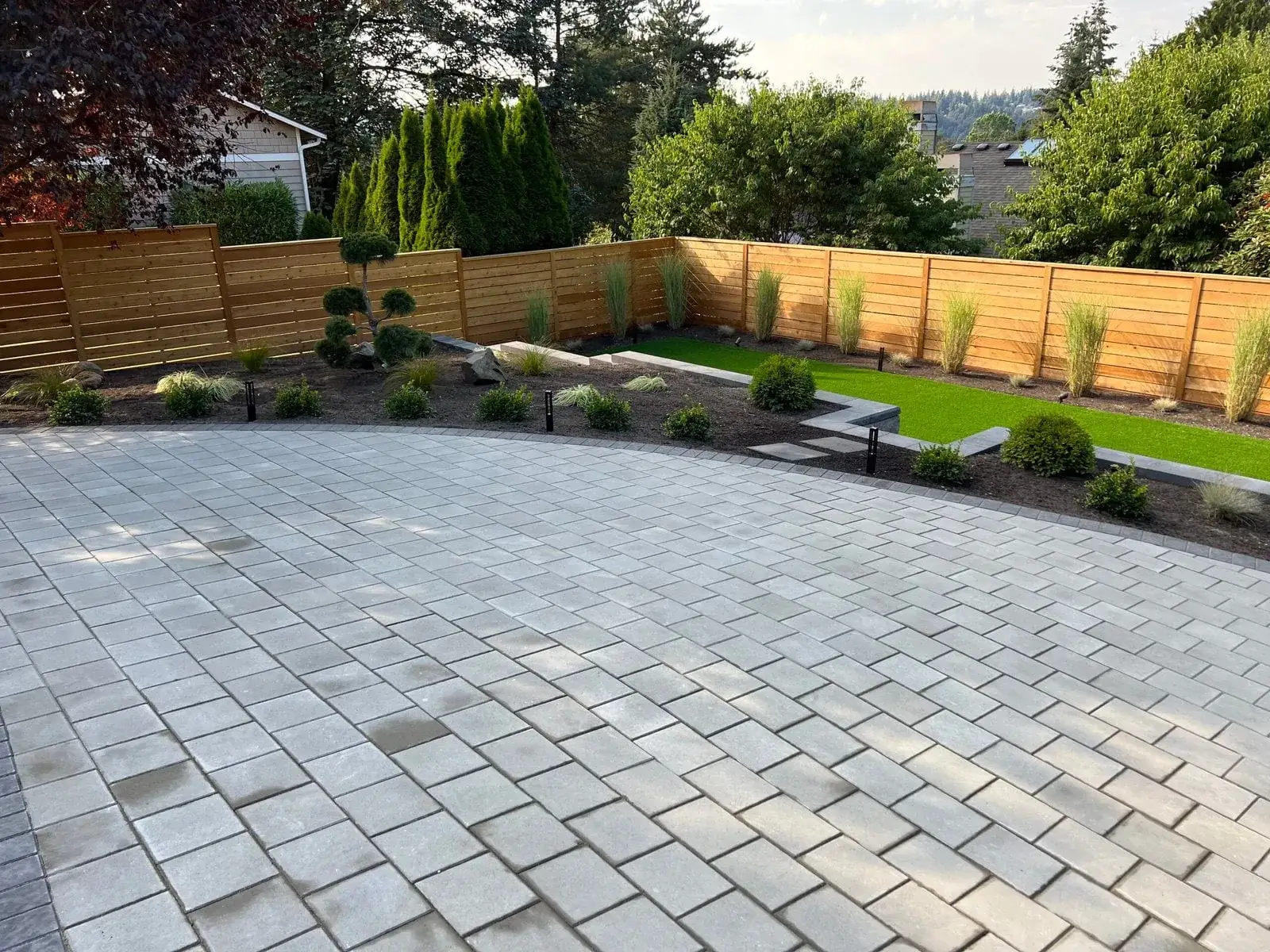
Tell us what is wrong with the yard and what you want it to do. We will tell you which services that actually involves, and what it costs.