Skip to content

Paver Installation · Seattle

Paver Installation in Seattle

Adding a paved surface in Seattle is not only a construction decision, it is a stormwater one. Every square foot of new paving is a square foot the ground no longer absorbs, and on a city lot that water has to go somewhere it did not go before — usually toward a neighbour, a foundation or a street drain that was not sized for it. That is why the first question on a Seattle paver job is not what the surface will look like but where the rain that lands on it will end up. Where the answer is genuinely difficult, a permeable system stops being the expensive option and starts being the only one that works, because it removes the runoff rather than relocating it.

Typical range
$18–$40 per square foot installed
From our base
Base of operations — Capitol Hill
Ground here
Predominantly glacial till (Alderwood series) — a dense hardpan under 12–24 inches of topsoil that water sits on rather than passes through.

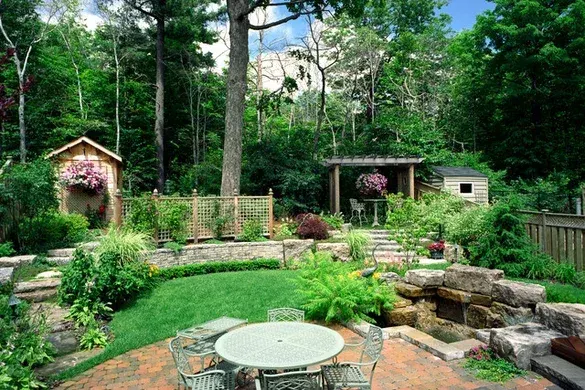
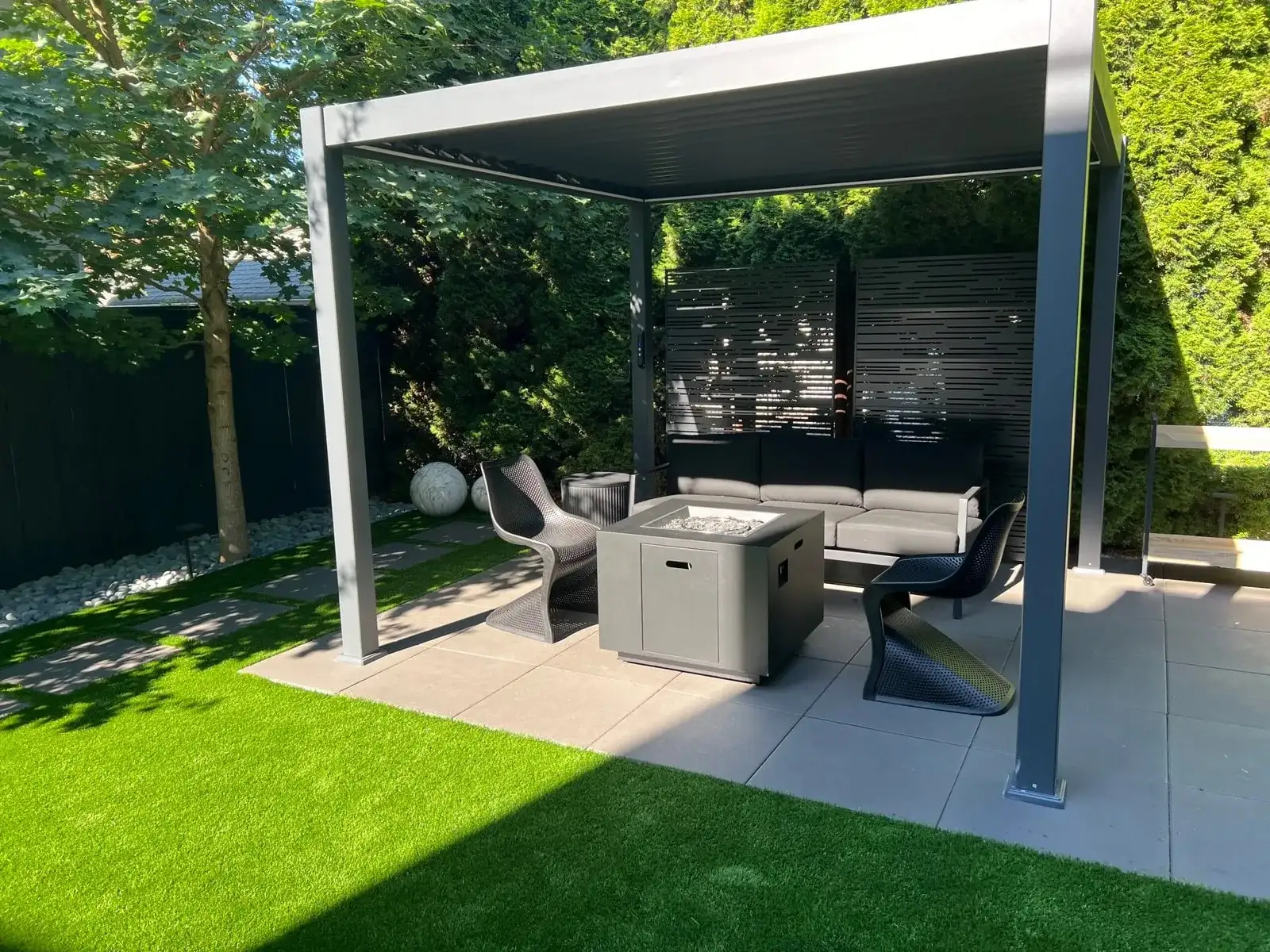
Covered outdoor lounge with a fire table beside an artificial turf lawn on a Seattle property

What we get called about

Paver Installation problems specific to Seattle.

Seattle takes 38+ inches of rain a year and almost all of it arrives October to March. That single fact decides more landscaping outcomes here than plant choice ever does — a patio without a drainage plan is a patio that heaves, and a lawn on undisturbed till is a lawn that sits under water all winter.

  • A new paved area that has quietly moved runoff onto the neighbouring lot
  • Moss film returning every winter on a north-facing surface that never dries
  • Old clay brick paving worth relaying rather than replacing
  • Nowhere on the lot to daylight a drain, so runoff has no honest destination
  • A side return where the only route for material is a three-foot gate

Worth knowing in Seattle

Before anyone quotes, walk the lot in heavy rain and watch where water already goes. Ten minutes in a downpour tells you more about what a new paved surface will do than any drawing, and it is the difference between designing the drainage in and discovering it in November.

When permeable paving is the answer and when it is not

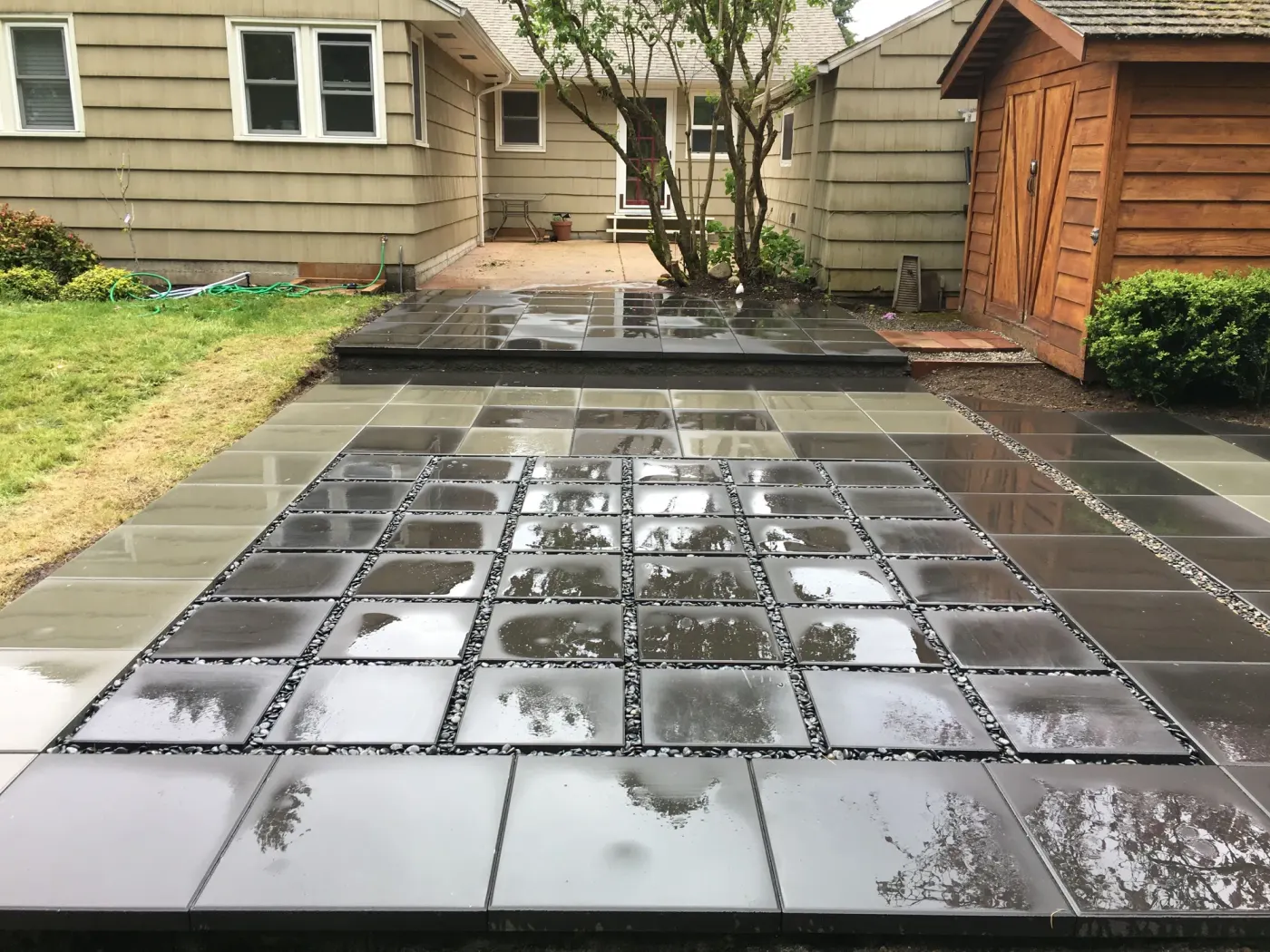
A permeable installation looks like ordinary paving and behaves like ground. Rainfall passes through wider joints filled with clean angular chippings, into an open-graded stone reservoir underneath, and soaks away — so the surface produces little or no runoff to route anywhere.

That is worth paying for on a lot with no good discharge point: no daylight fall to a street or ditch, no capacity in the existing system, or a boundary where sending water next door would be both rude and a liability. It is also worth it where the total impervious area is close to a threshold, because a permeable surface changes the arithmetic.

It is not worth it everywhere. Permeable systems need somewhere for the water to actually go once it is through — on dense till with a high water table, the reservoir fills and stops working. They also need periodic vacuuming to keep the joints open, and a surface that silts up is a conventional surface with a deeper base. On a lot with a straightforward fall to a legitimate discharge point, a conventional build with properly set falls does the same job for less.

The method

How we build paver installation, wherever the job is.

The sequence does not change between neighbourhoods — what changes is the ground it is applied to. Full detail on the paver installation service page.

  1. 01

    Read the ground before pricing the surface

    What the subgrade is, how wet it gets, and where water currently goes. On a till lot those three answers change the build more than the choice of paver does.

  2. 02

    Set levels and falls first

    Every surface gets a fall, including the ones that look flat. Where water leaves is decided before a shovel moves, not adjusted at the end once the levels no longer allow it.

  3. 03

    Excavate and compact the subgrade

    Down to competent ground, then compacted before any rock goes in. A good base built on an uncompacted subgrade just moves the failure one layer down.

  4. 04

    Build the base in lifts

    Layer by layer to the specified depth, with a plate or roller sized for the job rather than whatever is on the van. This stage decides whether the surface is still flat in ten years.

  5. 05

    Screed, lay, cut and restrain

    Bedding course screeded to depth, units laid off a string line, perimeter saw-cut, and edge restraint fixed before any joint is filled.

  6. 06

    Joint, compact and wash down

    Polymeric sand swept in, the field compacted to seat the units, then the whole area washed off — the last step is the one a rushed crew skips.

What it costs in Seattle

$18–$40 per square foot installed

Seattle paver installation runs $18 to $40 per square foot. What moves it here more than the units do is disposal and access — spoil from a deeper excavation has to be carted off a lot with no room to stockpile it, and material barrowed through a side gate is priced as labour rather than material. Permeable systems sit at the top of the range because the reservoir base is deeper and the aggregate is a specified open-graded rock rather than ordinary crushed base.

  • No down payment

    You pay after the project is fully completed.

  • Fixed price, agreed up front

    The estimate you sign is the price you pay.

  • 0% interest for up to 6 months

    Spread the cost with no interest.

  • Warranty on hardscaping

    Covers hardscape work; vegetation excluded.

Local questions

Paver Installation in Seattle, answered.

General questions about this service are on the service page. These are the ones that only come up here.

Will adding a paved area change how water leaves my lot?

Yes, and that is worth taking seriously rather than treating as a formality. A paved surface produces close to a hundred per cent runoff where planted ground absorbed a good share of the rainfall, so the volume arriving at the low point of your property goes up on the day the job finishes. On a Seattle lot that low point is frequently the house, the neighbour, or a street drain already at capacity in a heavy autumn. The answer is either to route the extra water deliberately — falls, a channel drain, a piped run to somewhere it can legitimately discharge — or to stop producing it in the first place with a permeable build.

Why does moss keep coming back on my paving?

Because the conditions here suit it and the surface never dries out long enough to discourage it. A north-facing or heavily shaded surface in a city garden may get no direct sun for months, and with nine wet months there is always moisture in the joints for spores to take hold in. Pressure washing removes it and also strips the jointing sand, which gives the next crop somewhere better to root — so an aggressive clean often makes the following year worse. The durable improvements are getting the falls right so water leaves rather than sitting, using polymeric jointing that gives roots less to hold, and opening up overhanging planting so the surface gets some drying time.

Is my old brick paving worth relaying?

Frequently yes, and on an older Seattle property it is often the best-value option on the table. Clay pavers from earlier decades were fired hard and are typically in better condition than the base beneath them, so the units come up, the base gets rebuilt properly, and the same brick goes back down with the character intact and the movement gone. What rules it out is genuine spalling — units flaking or crumbling at the face rather than simply worn — or a quantity shortfall, because matching old brick is difficult and a patched area announces itself. We lift a small section and look before quoting either option.

How do you get materials to a back garden with no side access?

By hand, and we price it that way honestly rather than discovering it on day one. On a tight city lot base rock, bedding sand and pavers all arrive by the pallet at the kerb and are moved through the house side or a gate by barrow, which turns material handling into the largest labour line on the job. Deliveries are sized to what can be cleared the same day, because a pallet cannot sit on a Seattle street overnight. Where a gate is genuinely too narrow, the honest options are a temporary fence panel removal, a conveyor, or in a few cases a crane over the roof — and we will tell you which one applies before you have a number in your hand.

Serving Seattle and surrounding neighbourhoods

Base of operations — Capitol Hill.

Capitol Hill · Ballard · Queen Anne · Magnolia · West Seattle · Green Lake · Wedgwood · Madison Park · Laurelhurst · Mount Baker · Seward Park · Fremont · Wallingford · Columbia City

98101 · 98102 · 98103 · 98104 · 98105 · 98106 · 98107 · 98108 · 98109 · 98112 · 98115 · 98116 · 98117 · 98118 · 98119 · 98121 · 98122 · 98125 · 98126 · 98133 · 98134 · 98136 · 98144 · 98146 · 98177 · 98199

Everything we do in Seattle →

Recent work

Built in Seattle.

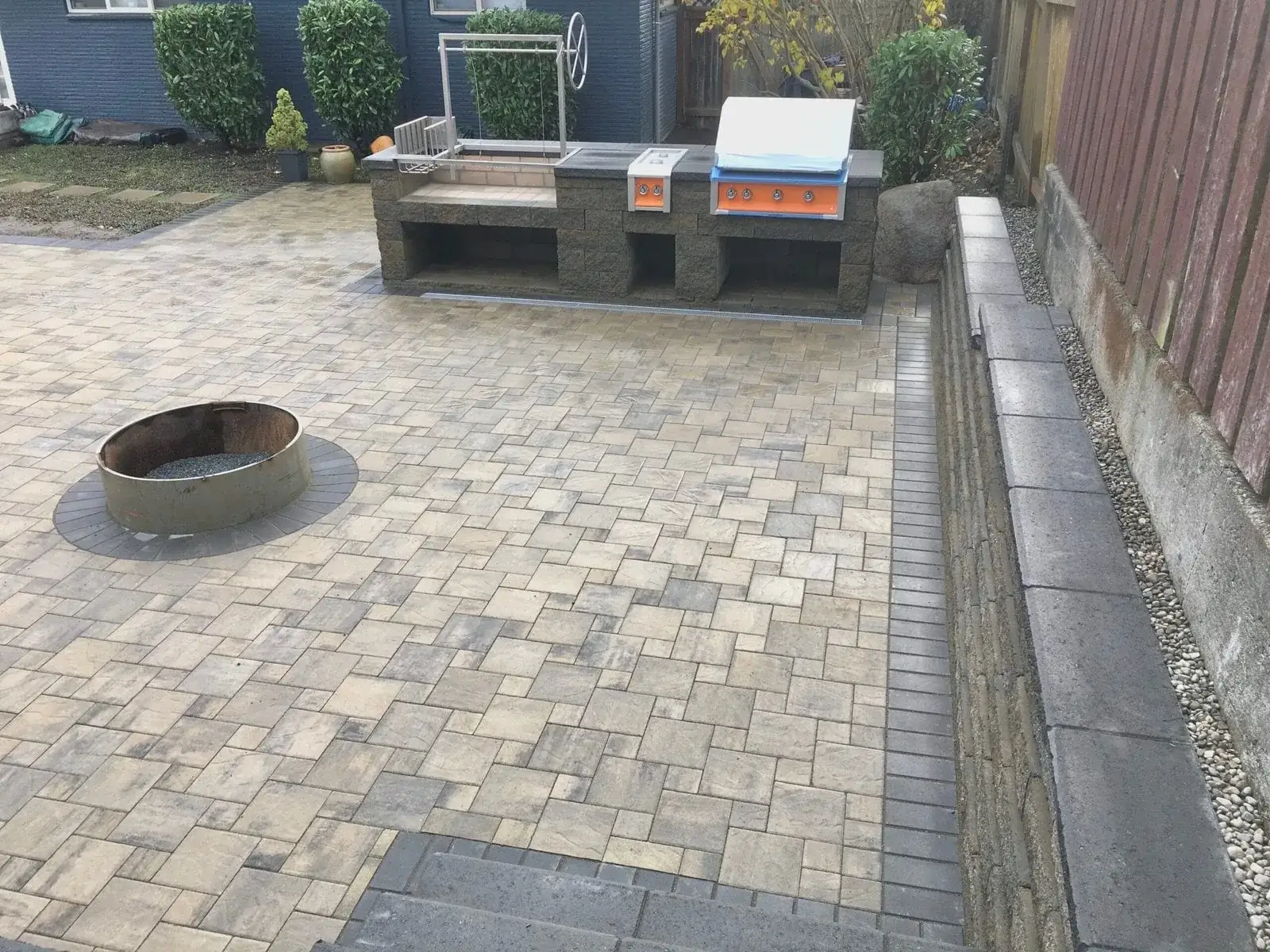
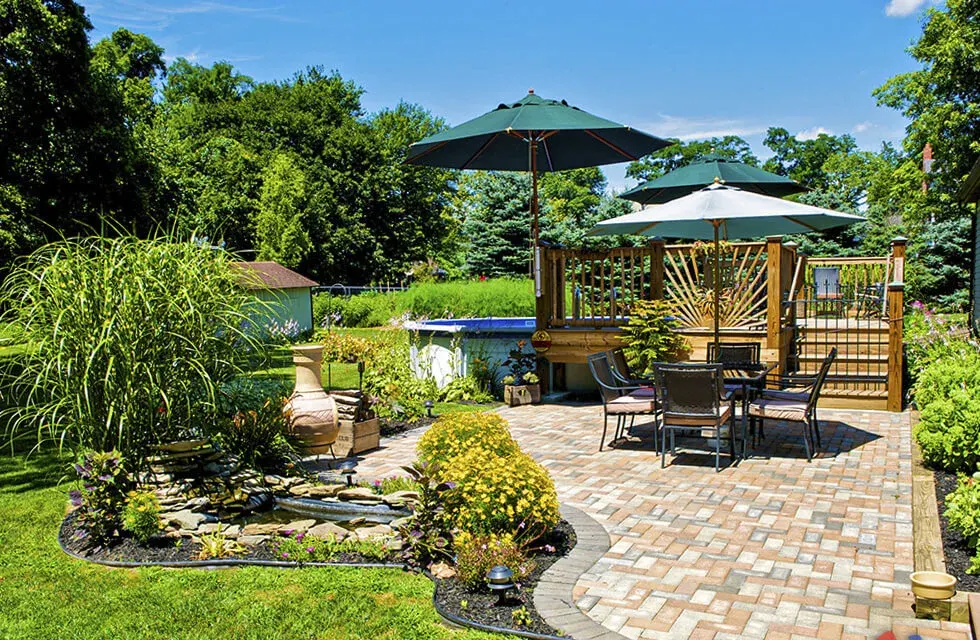
Built-in outdoor kitchen island and fire pit on a paver patio with a low seat wall

Get a paver installation estimate in Seattle.

We come out, look at the ground, and put a fixed written price together. No deposit, and it does not change once agreed.

Free estimate

Paver Installation in Seattle — get a price.

Three minutes on the form. We reply during office hours, Monday – Friday, 9:00 AM – 7:00 PM, and we come out and look at the site before quoting anything.

Or call (425) 533-9734

Takes under a minute. No deposit is required to book work — you pay when the project is finished. Prefer to talk? Call (425) 533-9734

Call NowFree Estimate