
 Outdoor LivingView full size
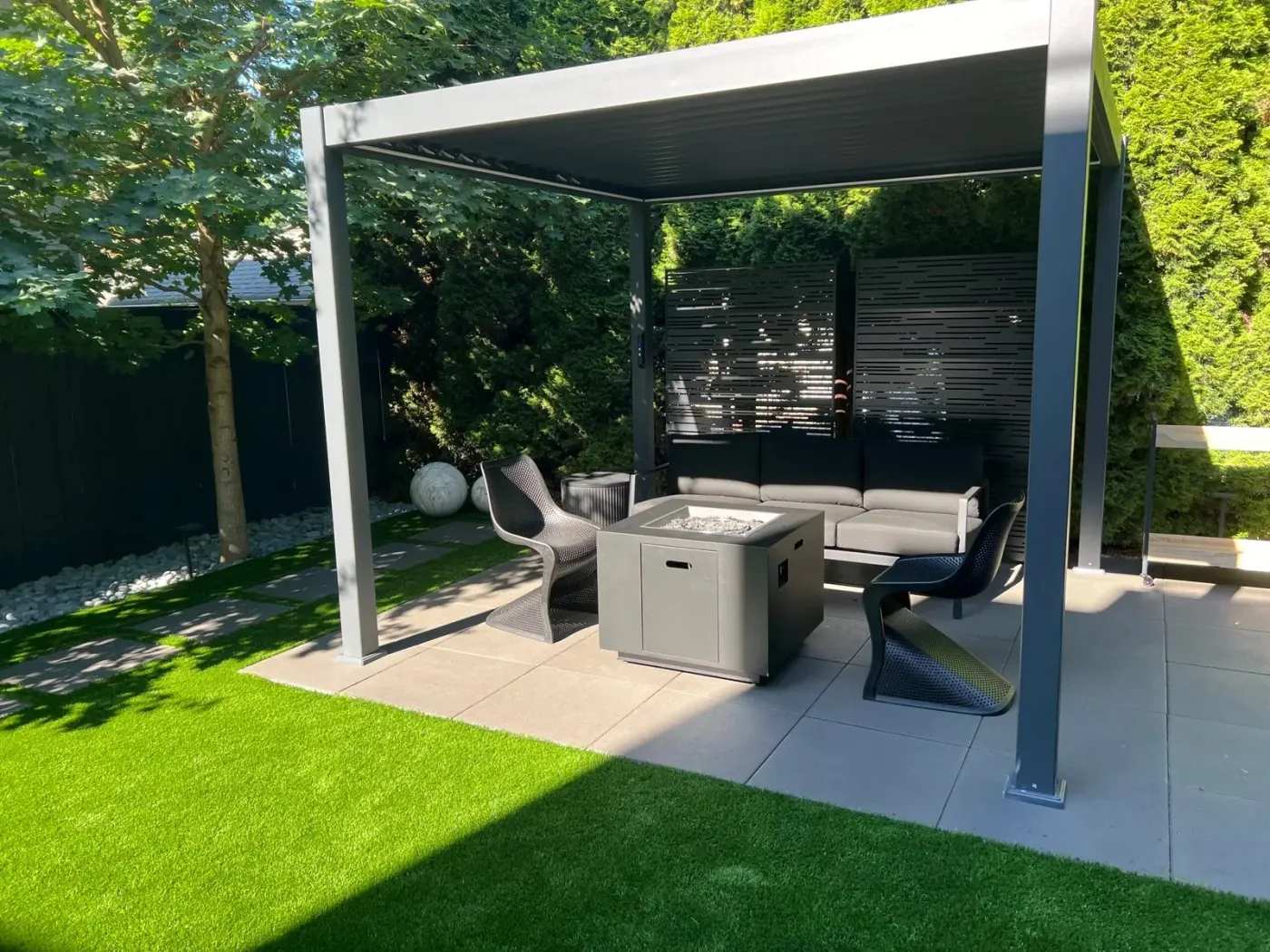
Covered lounge, fire table & turf lawn
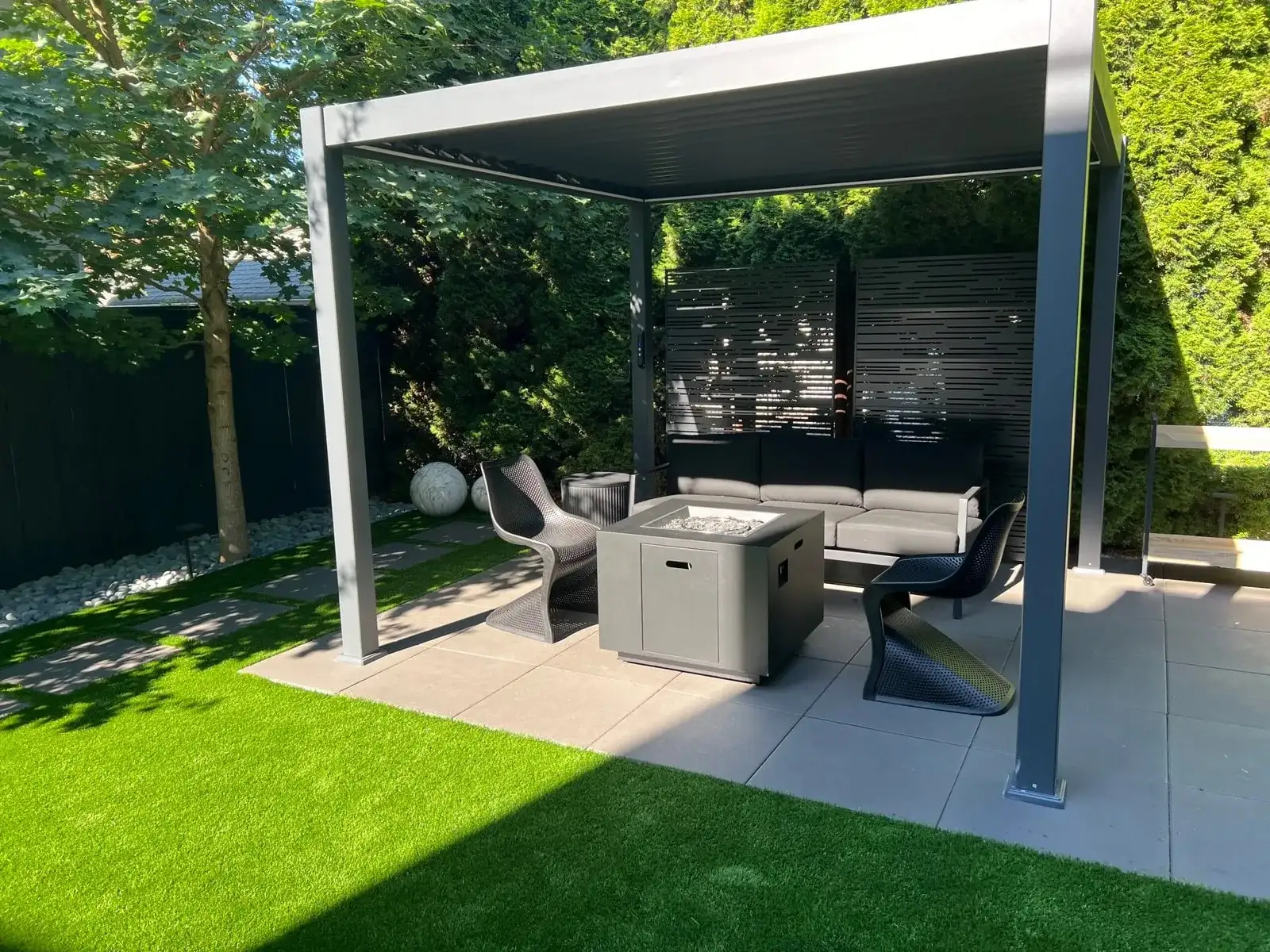
A modern pergola over a paved lounge, edged straight into a turf lawn that stays green all winter, with a plank path running the length of the lot.
2 photos
No down payment. You pay when the project is finished.
Monday – Friday, 9:00 AM – 7:00 PM · Capitol Hill, Seattle
Driveway Paving · Seattle
A Seattle driveway has two problems most driveways elsewhere do not. It is usually the drainage route for the whole front of the property, because these lots typically slope down from the street toward the house — so the drive collects its own rainfall plus everything running off the front garden and delivers all of it to the lowest point, which is your garage threshold. And it sits on glacial till, which will not take that water away. A driveway here is a structural slab that also has to be a watercourse, and getting the base depth right without getting the falls right produces a drive that survives the traffic and floods the garage.
Covered outdoor lounge with a fire table beside an artificial turf lawn on a Seattle property
What we get called about
Seattle takes 38+ inches of rain a year and almost all of it arrives October to March. That single fact decides more landscaping outcomes here than plant choice ever does — a patio without a drainage plan is a patio that heaves, and a lawn on undisturbed till is a lawn that sits under water all winter.
Worth knowing in Seattle
Sort the water before you choose the surface. On a Seattle lot that falls toward the house, a channel drain across the drive short of the garage — piped somewhere it can actually discharge — is what stops the flooding, and it is far cheaper installed during the build than retrofitted through a finished slab.
It is tempting to think of a driveway as a patio that gets driven on, and the specification difference is larger than that suggests.
A patio carries a distributed pedestrian load. A driveway carries roughly two tons concentrated onto four contact patches, arriving and departing along the same lines every single day. That is a fatigue load rather than a static one, and fatigue finds any weakness in a base within a couple of winters — which is why the failure shows as ruts along the wheel lines rather than as general settlement.
On Seattle till there is a second demand. The subgrade will not take water away, so the base has to spread that repeated load and provide the drainage path at the same time. In practice that means substantially deeper excavation than a patio, crushed rock compacted in more lifts, and frequently a geotextile separation layer where the subgrade is soft — the fabric stops the base and the subgrade mixing under repeated loading, which is precisely how a base loses its density.
None of it is visible once the surface is on, which is why undersized excavation is the single most common reason a driveway fails early and the easiest thing to leave out of a competitive quote.
The method
The sequence does not change between neighbourhoods — what changes is the ground it is applied to. Full detail on the driveway paving service page.
A drive that falls toward the house needs a drainage answer designed in, not added later. On a sloped Seattle lot that is the majority of them.
Substantially deeper than a patio. Undersized excavation is the single most common reason a driveway fails, and it is invisible once the surface is on.
Crushed rock, compacted layer by layer, with geotextile separation where the subgrade is soft. This is the layer carrying the car.
Pavers bedded, cut and edge-restrained; concrete formed, reinforced, poured and jointed; asphalt laid and rolled to compaction while hot.
Street apron, garage threshold and the joints against any path or step, which are the points that show wear first and the points a rushed job leaves rough.
What it costs in Seattle
Seattle driveways run $12 to $32 per square foot — asphalt at the bottom, poured concrete in the middle, pavers at the top. Two things move a quote more than the surface choice: how much excavation the existing ground needs before a vehicle-rated base can be built, and whether drainage has to be designed into it. A short flat drive and a sloped one ending at a garage door are different jobs at the same square footage.
You pay after the project is fully completed.
The estimate you sign is the price you pay.
Spread the cost with no interest.
Covers hardscape work; vegetation excluded.
Local questions
General questions about this service are on the service page. These are the ones that only come up here.
Because the driveway is acting as a catchment with nowhere to discharge. Most Seattle lots slope down from the street toward the house, so the drive collects both its own rainfall and whatever runs off the front garden, and delivers all of it to the lowest point — which is the garage threshold. If the original build had no drain there, or has one that has silted up, the water simply pools. The fix is usually a channel drain across the drive just short of the garage, piped to a real discharge point, combined with regrading the last few feet so water reaches the drain rather than the door.
Concrete is the default here and a reasonable one — it costs less than pavers, handles the climate well, and looks clean for years if jointed properly. Its weakness is that it will eventually crack and a repair never blends. Pavers cost more up front but flex with the small ground movement our wet winters and till subsoil produce, and a damaged or oil-stained area lifts out and gets reset invisibly. Asphalt is cheapest per square foot and suits a long drive, but needs resealing periodically. On a typical city lot we recommend pavers where the budget allows and concrete where it does not.
Sometimes, and it is always worth asking. If the base underneath is sound and the problem is purely surface — worn asphalt, tired paver colour, surface crazing on concrete — then an overlay or a lift-and-relay is a genuine saving. If the failure is structural, resurfacing is money spent hiding a problem that reappears through the new surface within two winters. The tell is differential movement: cracks with one side higher than the other, sections that rock, or dips along the wheel lines all say the base has failed. We will tell you which you have before quoting either.
It depends entirely on the surface. A paver driveway is ready as soon as the jointing is compacted, usually the same day the last unit goes down, because nothing is curing. Poured concrete needs to gain strength before it takes a vehicle load — foot traffic first, vehicles considerably later — and driving on it early causes damage you cannot see until it appears as a crack. Asphalt is walkable quickly but stays soft enough to scuff, so tight turning on a warm day will mark it. We give you the specific timeline in writing rather than a rule of thumb.
Serving Seattle and surrounding neighbourhoods
Capitol Hill · Ballard · Queen Anne · Magnolia · West Seattle · Green Lake · Wedgwood · Madison Park · Laurelhurst · Mount Baker · Seward Park · Fremont · Wallingford · Columbia City
98101 · 98102 · 98103 · 98104 · 98105 · 98106 · 98107 · 98108 · 98109 · 98112 · 98115 · 98116 · 98117 · 98118 · 98119 · 98121 · 98122 · 98125 · 98126 · 98133 · 98134 · 98136 · 98144 · 98146 · 98177 · 98199
Recent work
Outdoor LivingView full sizeA modern pergola over a paved lounge, edged straight into a turf lawn that stays green all winter, with a plank path running the length of the lot.
2 photos
 Retaining WallsView full size
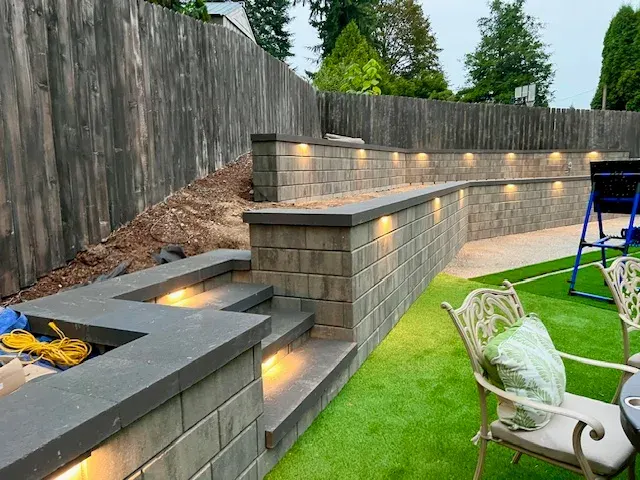
Lighting recessed into the wall face and the step risers, so the garden still works through eight months of dark Seattle evenings. Photographed the night it was commissioned.
2 photos
 FlagstoneView full size
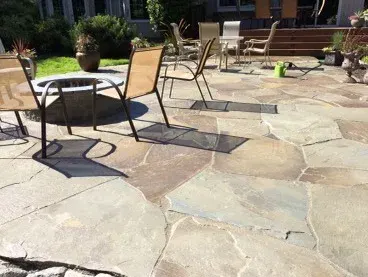
Hand-fitted flagstone laid tight, with a fire bowl and seating where the lawn used to sit wet.
 Design & BuildView full size
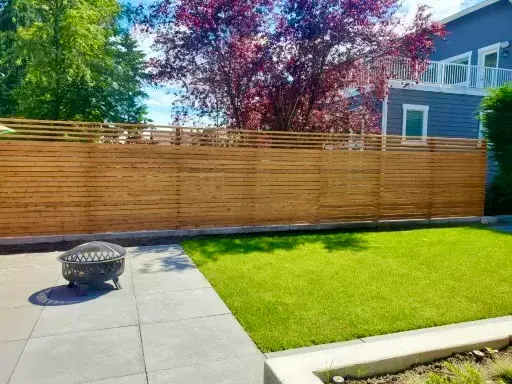
A small city garden done as one job — horizontal cedar screen for privacy from the neighbours, a concrete patio, and turf that stays green through the winter.
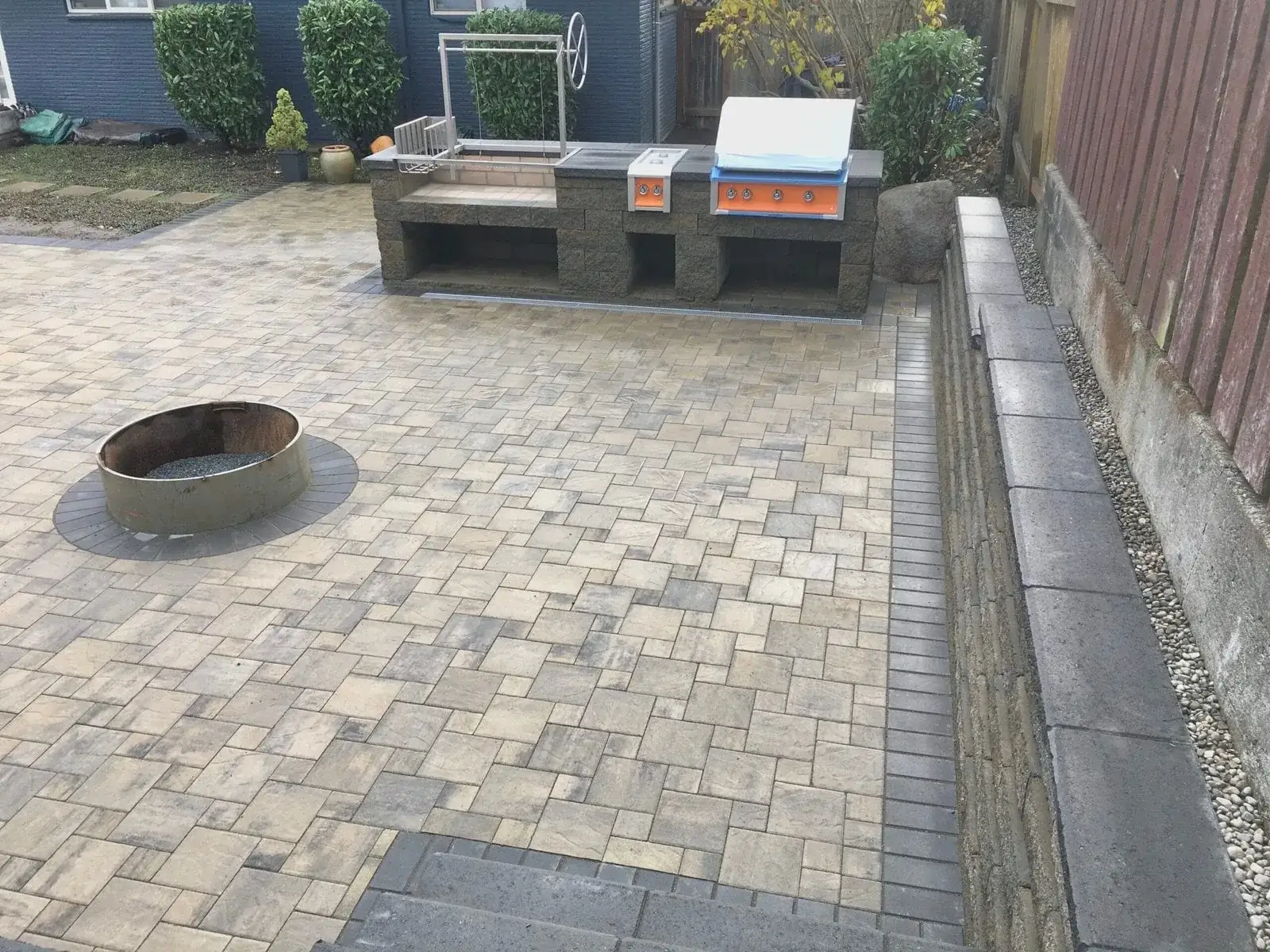
We come out, look at the ground, and put a fixed written price together. No deposit, and it does not change once agreed.
Free estimate
Three minutes on the form. We reply during office hours, Monday – Friday, 9:00 AM – 7:00 PM, and we come out and look at the site before quoting anything.
Or call (425) 533-9734
Thank you — we have your details. We reply during office hours, Monday – Friday, 9:00 AM – 7:00 PM. If it is urgent, call (425) 533-9734.